








Introduction:In today’s fiercely competitive coffee market, many independent cafés are contemplating how to set prices that balance survival and quality. Some industry players have raised thought-provoking questions such as “If pour over coffee can be priced at 128 yuan, why can’t an americano be sold for 99 yuan?”, sparking widespread discussion on the pricing logic of coffee. This article delves into the cost structure of americanos, the differences in brewing methods, the influence of market alternatives, and explores how to establish reasonable yet attractive pricing strategies by enhancing product value and customer service.
In an increasingly competitive coffee market, establishing a reasonable pricing strategy is one of the key factors influencing the success or failure of independent cafés. Recently, a coffee professional posed a question that triggered deep reflection: “If hand drip coffee can be priced at 128 yuan, why can’t an americano be sold for 99 yuan?” This topic quickly sparked extensive discussion, also prompting the public to re-examine the pricing logic of different types of coffee and consumer expectations.
Many consumers show significantly different price acceptance levels for americanos and hand drip coffee. Hand drip coffee, due to its highly visual and technical brewing process and the use of high-quality, often expensive single-origin beans, usually commands a price of over 100 yuan. However, when it comes to an americano priced as high as 99 yuan, many consumers hesitate, feeling that its price should be lower — this ties into the general perception of americano as an “affordable, basic option”.
In fact, the production cost of an americano is not as low as one might imagine. Even when using a basic espresso base, if a medium to high-quality blend or single-origin bean is chosen, factors such as the cost of green beans, grind fineness, extraction time (usually 25–30 seconds), and coffee-to-water ratio (approximately 1:2 to 1:3) will all impact the final flavor and cost. Additionally, using 14 grams or 18 grams of coffee grounds can vary in cost and extraction efficiency, but their impact on the final taste is even more crucial.

The market also offers a wide range of low-cost alternatives, such as ready-to-drink americanos from convenience stores or fast food outlets, which typically cost only 30 to 60 yuan, creating significant price pressure on cafés. Compared to hand drip coffee, where the barista’s skill and the beans’ characteristics are showcased during the on-site brewing process, americanos mostly rely on machine extraction, involve shorter brewing times, standardized processes, and lack visual appeal — all of which further reduce consumers’ willingness to pay a premium.
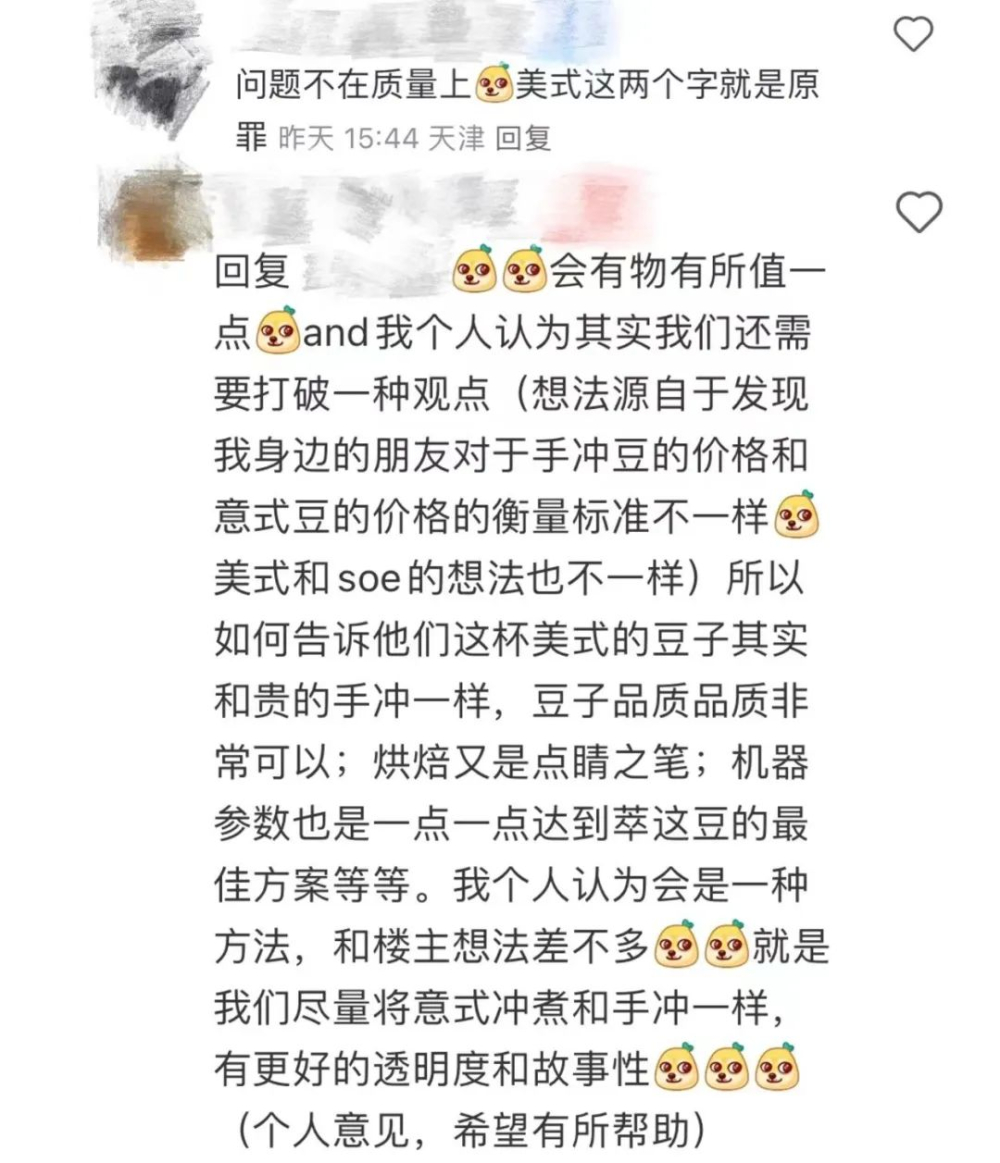
Many operators try to enhance the customer experience and justify higher prices by adding service details or increasing product value, such as providing information on the origin of the beans, roast dates, and brewing parameters (e.g., water temperature 92–94°C, medium-fine grind), or even designing visually appealing coffee pairings. These practices not only strengthen customer trust but also help them understand the quality basis behind the higher price.
However, when evaluating price, consumers ultimately return to the most fundamental question: Is the coffee delicious? If the flavor profile is unimpressive, even a low price may struggle to attract repeat business. Conversely, if an americano delivers bright acidity, balanced body, and a pleasant aftertaste using freshly roasted, high-quality beans, many consumers feel a reasonably high price is worth paying.
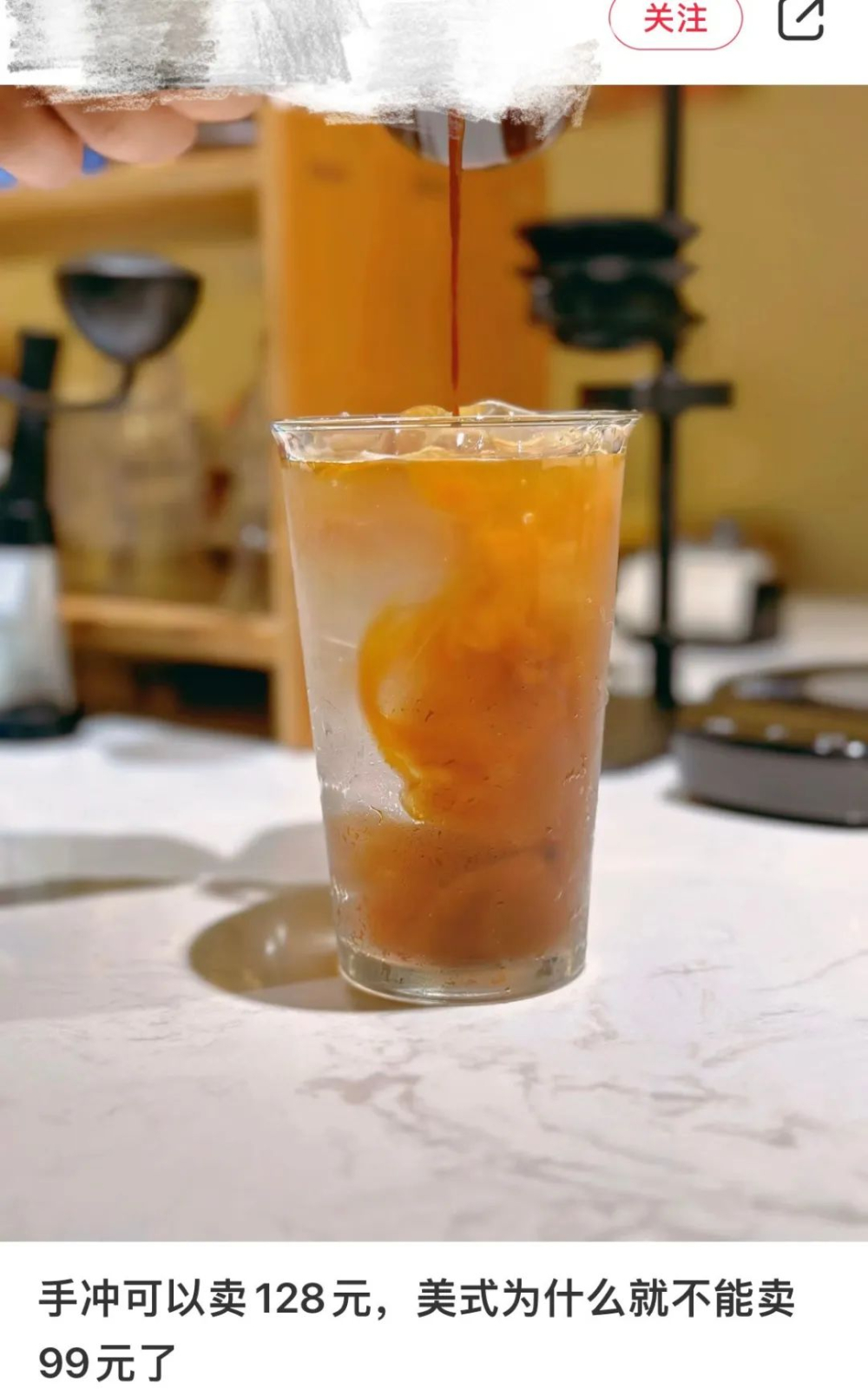
Therefore, when formulating pricing strategies, cafés should not consider only the raw material cost of the beans but also comprehensively assess the visibility of the brewing process, the price range of competing products in the market, and the consumption habits and values of the target customer base. For shops that emphasize quality and flavor experience, while appropriately raising prices, they should also enhance perceived value through transparent information sharing and excellent customer service, ensuring customers feel they’re getting their money’s worth.
In conclusion, whether an americano can be priced at 99 yuan has no absolute standard, but the key lies in justifying its price point through product quality, brewing craftsmanship, and customer experience. Café operators must find a balance between cost control, market competition, and customer expectations in order to thrive in a fiercely competitive landscape.
The above content is compiled by CoffeeHunters, a coffee news website.


