







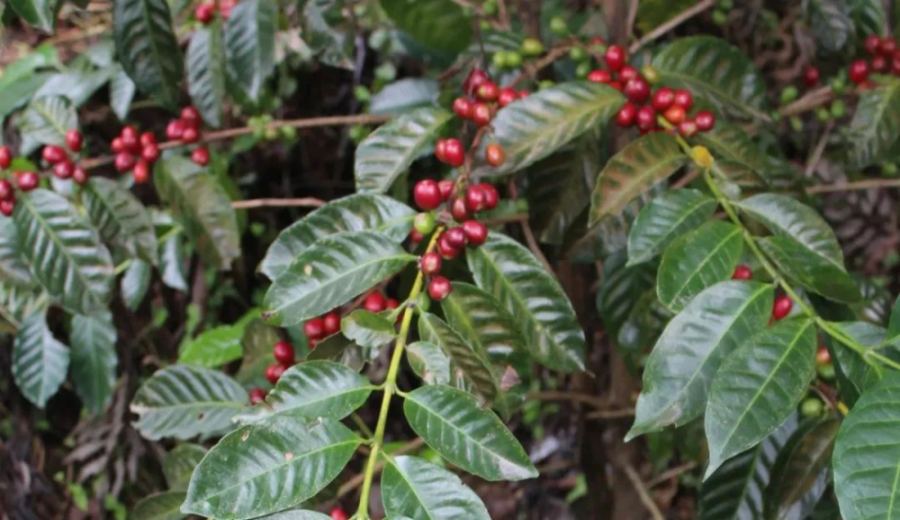
Introduction:Delve into the most representative blended coffee from Panama’s Boquete region — the Geisha Butterfly. Explore how the three major varieties — Geisha, Caturra, and Catuai — interact in high-altitude environments to create complex and captivating aromas and flavors. This article provides comprehensive coffee knowledge and practical references, covering everything from the region’s geography and the origins of the varieties, to washed processing and hands-on brewing recommendations.
Panamanian coffee has always held an irreplaceable position in the global specialty market, especially since the emergence of the Geisha variety, which has made this small Central American country a focal point for coffee enthusiasts. To understand the diverse charm of Panamanian coffee, one cannot overlook its uniquely advantageous geographical environment and the contributions of its many distinctive growing regions. Among them, the Boquete region is not only the essence of Panamanian coffee but also the birthplace of many stunning blended beans, such as the Geisha Butterfly, which combines Geisha, Caturra, and Catuai.
Panama is geographically situated between the Caribbean Sea and the Pacific Ocean, featuring mountainous terrain, abundant microclimates, and fertile volcanic soil — conditions that provide an almost ideal environment for coffee cultivation. Numerous areas across the country sit at elevations exceeding 1,000 meters, with significant day-night temperature variations and a distinct dry and wet season climate, allowing coffee cherries to accumulate more flavor compounds during slow maturation. These natural advantages are particularly pronounced in Boquete.
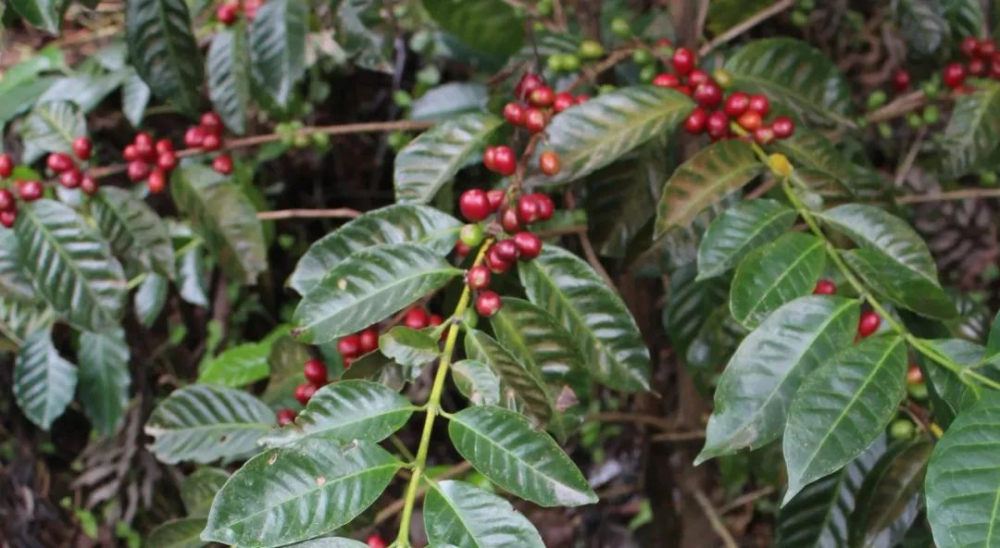
The Boquete region is located on the eastern side of the Barú Volcano and is one of Panama’s most representative coffee-growing areas. Elevations here generally range between 1,200 and 2,000 meters, with some premium estates even higher. The year-round temperature remains between 11 and 27 degrees Celsius, and the day-night temperature difference helps coffee beans develop richer and more complex flavors. This area not only boasts excellent natural conditions but is also home to renowned producers such as the Finca Esperanza Verde and Finca Elida, making it a key region for specialty coffee enthusiasts exploring Panamanian flavors.
When discussing the rise of Panamanian coffee, one cannot ignore the 2005 Best of Panama (BOP) competition. At that time, Finca Esperanza Verde entered the competition with the Geisha variety. With its unique jasmine, tea-like qualities, and citrus notes, it won the championship and set an astonishing price record at the auction. This event not only elevated Geisha to the status of a top-tier global specialty coffee variety but also brought unprecedented international attention to Panamanian coffee.
The Geisha Butterfly coffee bean is a rather unique blend, composed of three major varieties: Geisha, Caturra, and Catuai. It is understood that this combination originally stemmed from early growers mixing these varieties in the same coffee plantation for higher yields and easier management. Since the three have similar tree structures, they are difficult to fully distinguish during harvesting, so they are simply harvested together and later processed as a blend. Later on, to balance the uniqueness of Geisha with overall flavor harmony, this combination was gradually retained and has gained favor among many roasters and baristas.
Each of these three varieties has its own characteristics: Geisha is known for its bright acidity, tea-like qualities, and delicate floral notes; Caturra excels in high yield, good adaptability, and medium-bodied mouthfeel; Catuai combines the strengths of Caturra and the Mundo Novo variety, offering high stability and strong disease resistance. When these three are combined, especially when grown in Boquete’s high-altitude environment and processed using washed methods, they often yield a flavor profile that is layered and harmonious.
Taking the common washed version as an example, the Geisha Butterfly typically exhibits white floral notes, bright citrus acidity, berry sweetness, and a soft honey-like finish after careful processing. Some roasters further emphasize its hazelnut and tea leaf tones, resulting in a rounder and more layered overall expression. For coffee enthusiasts who enjoy exploring different flavor profiles, this bean is definitely a worthwhile choice for deeper exploration.
If you’d like to brew this Geisha Butterfly coffee bean at home, you can refer to the following recommended parameters: use beans with a medium-light roast level, paired with a V60 filter, set the coffee-to-water ratio at 1:15, and control the water temperature at around 92°C. During brewing, you can use a two-stage pouring method — start with a bloom for about 30 seconds, then gradually pour the remaining hot water. The total extraction time is ideally around 2 minutes and 30 seconds. This brewing approach fully highlights the Geisha Butterfly’s floral and fruity acidity while achieving a good balance between sweetness and body.
The above content is compiled by CoffeeHunters, a coffee news website.


