







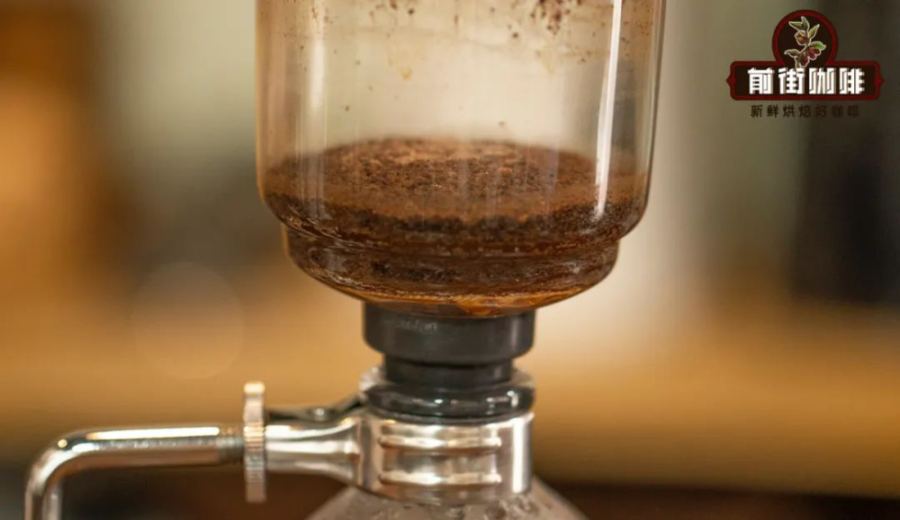
Introduction:Many coffee enthusiasts wonder why some siphon-brewed coffee results in a small mound-like coffee bed, which is said to indicate good extraction. However, in practice, most people only see a flat coffee layer. This article will delve into the principles behind the formation of a mound-shaped coffee bed in a siphon, covering operational steps, stirring timing and techniques, as well as key extraction parameters, to provide detailed guidance. It will help you master the trick of making the coffee bed rise and enhance the flavor performance of your coffee.
In the world of siphon coffee brewing, the shape of the coffee bed is often regarded as one of the visual indicators of extraction results. Many people have seen online that when a siphon finishes brewing, if the coffee grounds form a slightly raised mound, it is often interpreted as a sign that the coffee has been well extracted and may have a better flavor. However, for most home siphon users, the common scenario is a flat or even slightly sunken coffee bed, making it difficult to achieve the ideal "mound" effect.
So, how can you use the correct brewing method to naturally form this ideal mound-like shape in the coffee bed after siphon brewing? In fact, this involves a combination of factors such as coffee-to-water ratio, stirring technique, heat control, and timing—not just a random occurrence.
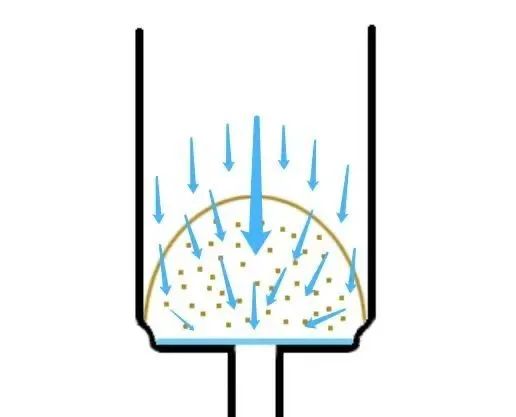
First, understanding the principles behind the formation of the coffee bed shape is crucial. During the siphon brewing process, heating the lower chamber increases the steam pressure, pushing hot water up into the upper chamber where it mixes with the coffee grounds. After proper stirring and settling, the coffee grounds settle on the filter cloth. The final shape of the coffee bed is closely related to the settling speed of the grounds, the uniformity of particle distribution, and whether effective stirring was performed.
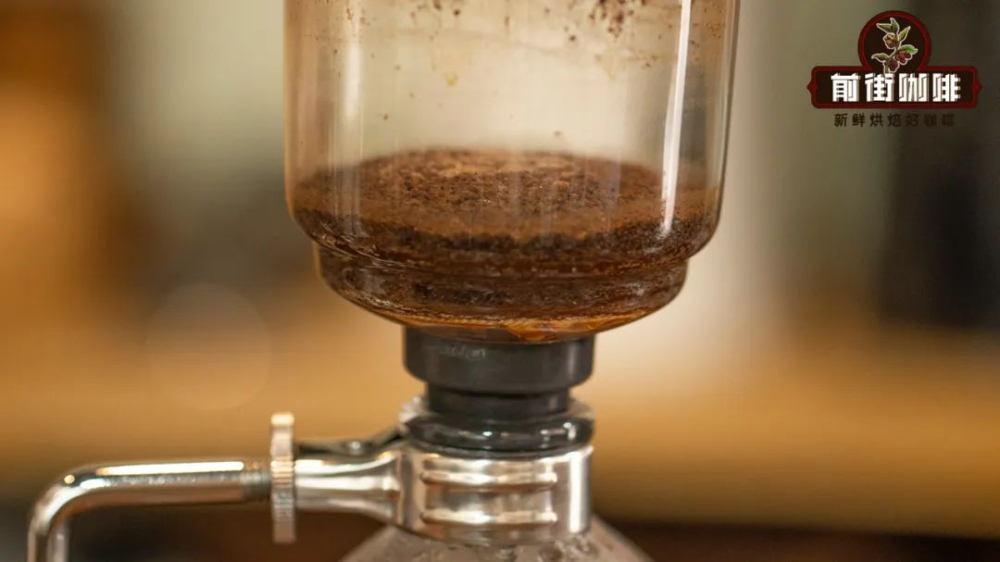
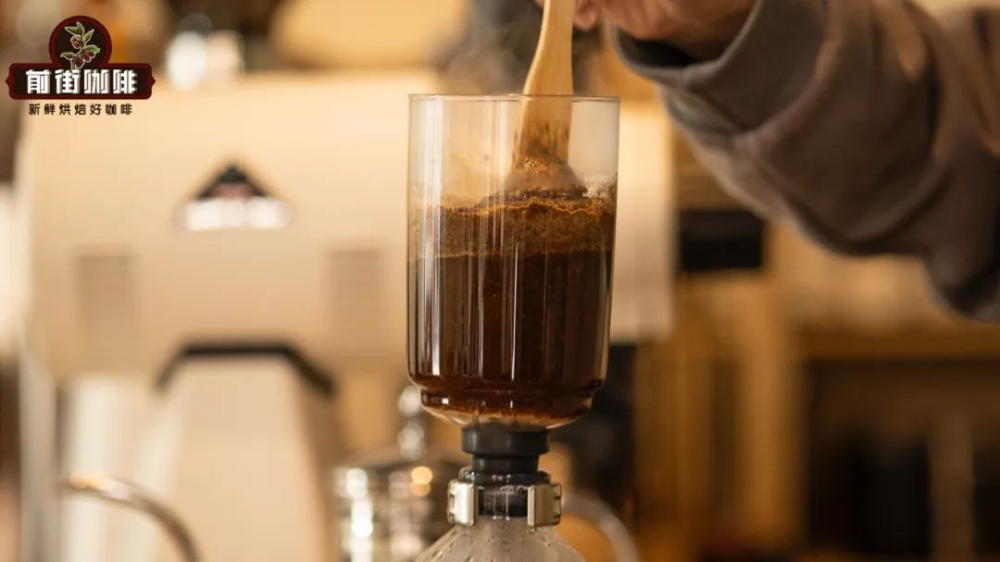
To achieve a coffee bed that rises like a small mound, the first step is to precisely control the stirring timing and technique during brewing. Generally, the first stir after the hot water and coffee grounds are mixed aims to ensure all the coffee grounds are evenly wetted. This step is usually done immediately after the coffee grounds are added to the upper chamber and the hot water reaches it. It’s recommended to use a “Z-shaped” or “spiral from the center outward” motion to ensure the coffee layer is evenly agitated, avoiding over-extraction or under-extraction in certain areas.
Next, after the first stir, let it settle for about 30 seconds to allow the initial phase of coffee extraction to unfold. During this time, the coffee grounds gradually release soluble substances while beginning to settle. At this point, many brewers overlook the importance of a second stir. In fact, performing a gentle reverse stir (such as from the outside inward or clockwise) around 30–40 seconds after the initial soak helps adjust the density of the coffee layer, thereby influencing the final settling shape of the coffee bed.
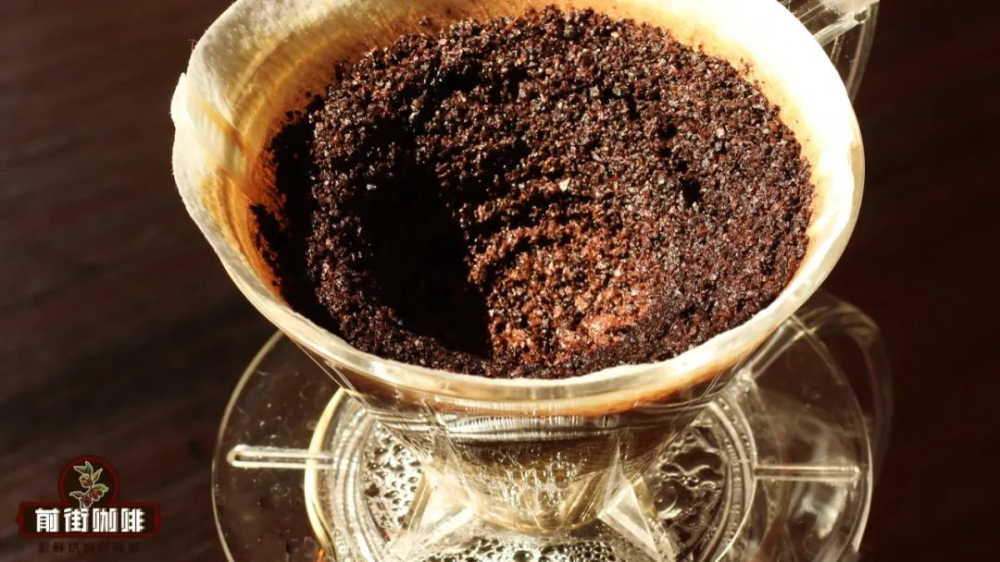
Beyond stirring, the coffee-to-water ratio and grind size are also key factors affecting the shape of the coffee bed. It’s recommended to use a medium-fine grind, similar to the texture of fine sugar, allowing for more thorough extraction without clogging the filter cloth with too much fine sediment. As for the coffee-to-water ratio, commonly recommended values are 1:12 to 1:16, which can be fine-tuned according to personal taste. However, both excessively high or low ratios may affect the final settling effect of the coffee bed.
Additionally, heat control should not be overlooked. The siphon relies on steam pressure generated by heating to push water up into the upper chamber, so stable and moderate heat is crucial. Excessive heat may cause the water to rise too quickly, leading to uneven agitation of the coffee grounds; insufficient heat may prolong the extraction time and negatively impact flavor. It’s recommended to use low to medium heat for stable heating, observe the speed at which the water rises, and adjust the heat promptly after the coffee grounds come into contact with the water to maintain a stable extraction environment.
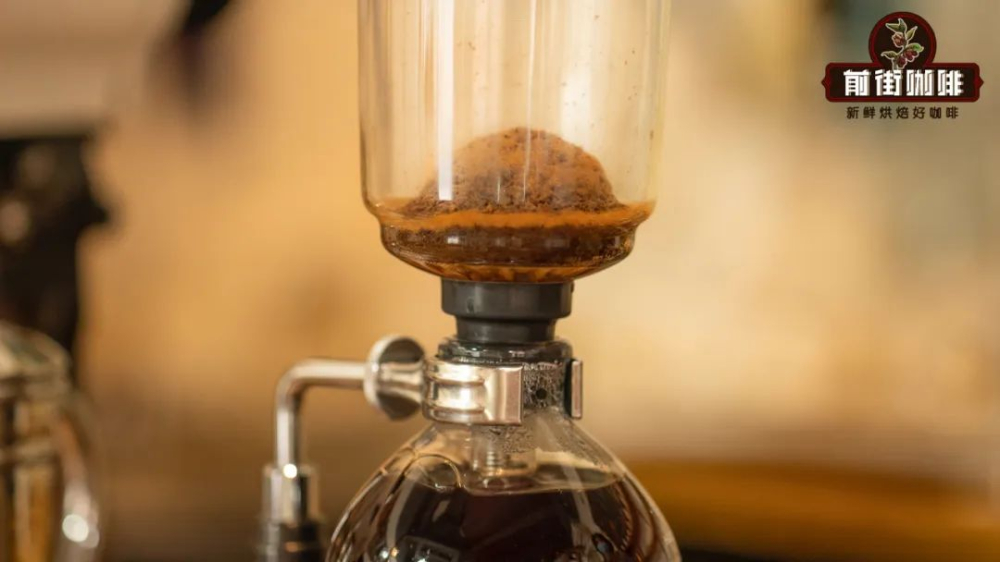
After the coffee extraction is complete and the heat is turned off, the temperature in the lower chamber drops and the pressure decreases, causing the coffee liquid to flow back down. At this point, observing the state of the coffee bed in the upper chamber serves as a reference for evaluating the brewing results. If the coffee bed naturally forms a slightly raised mound, it usually indicates that the coffee layer settled uniformly, the particle distribution was reasonable, and the stirring and heat control were appropriate—there’s a higher chance of achieving a coffee with balanced and layered flavors.
It’s worth noting that even if the final coffee bed does not visibly rise, it doesn’t necessarily mean the coffee is bad. The shape of the coffee bed is just one reference; what’s more important is the overall combination of brewing parameters and the final flavor of the coffee. Through repeated practice and adjustments, finding the settings that suit your taste and equipment is the key to improving your siphon brewing skills.

In summary, the tricks to forming a mound-like coffee bed in a siphon include mastering the right stirring timing and technique, choosing an appropriate coffee-to-water ratio and grind size, stably controlling the heat, and maintaining careful observation and adjustment throughout the brewing process. These elements work together not only to enhance the visual appeal of the coffee bed but also to help extract coffee with richer and more balanced flavors.
For beginners new to the siphon, it’s a good idea to start by fixing the coffee-to-water ratio and practicing stable stirring, gradually figuring out an operation mode that suits your flavor preferences. Remember, every brew is unique. Through continuous experimentation and adjustment, you too can brew satisfying siphon coffee and witness that long-desired mound-shaped coffee bed.
The above content is compiled by CoffeeHunters, a coffee news website.


