







Introduction:Global coffee market prices remain persistently high. Key producing regions such as Brazil and Vietnam have faced consecutive climate anomalies and market fluctuations, while the Red Sea shipping crisis has driven up costs, presenting immense challenges for traders. Against this backdrop, international green coffee giant NKG has announced its entry into Indonesia to establish import, warehousing, and distribution operations. The move targets the country’s rapidly growing coffee consumption market and aims to optimize shipping efficiency through regional trade. This article takes you behind the market turbulence and explores the strategic thinking behind NKG’s new expansion.
Recently, the international coffee market has continued to strengthen, with prices staying at high levels, largely due to consecutive climate anomalies and market issues in key producing regions such as Brazil and Vietnam. Compounded by the Red Sea shipping crisis, which has caused transportation costs to soar, global coffee traders are facing unprecedented operational pressures.
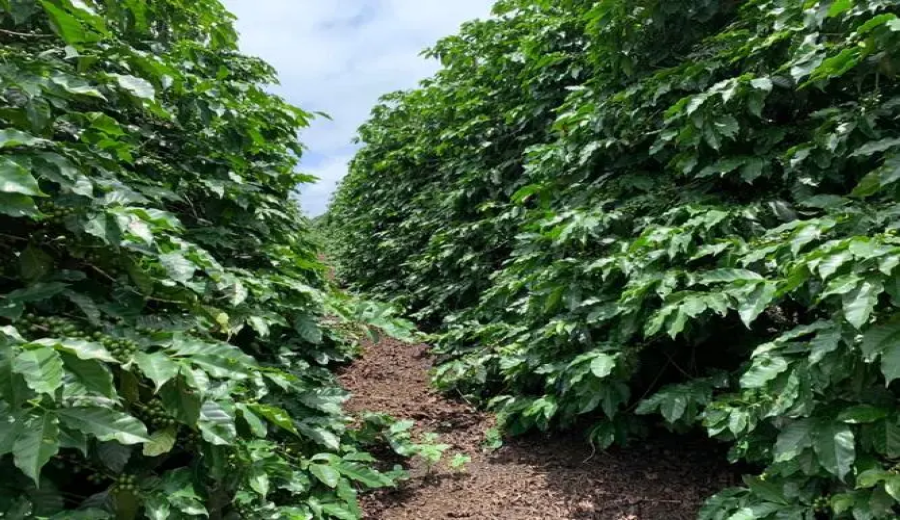
Take Brazil as an example. According to data from local meteorological agencies, Minas Gerais — which accounts for about 30% of the country’s total coffee output — received only 30.9 mm of rainfall over the past week, 59% below the average level. This has led to a tightening supply of Arabica coffee beans and a subsequent rise in prices. However, the latest estimates suggest that Brazil’s total coffee production for the 2023/24 season will be revised upward from the original 58.9 million bags to 61.1 million bags. The increase is attributed to higher yields per hectare, which partially offset the adverse effects of the weather.
Nevertheless, the upward revision in Brazil’s output still fails to fill the gaps left by other producing regions, especially Vietnam — the world’s second-largest coffee producer. The local market is currently in disarray, with prices for coffee beans from the Central Highlands ranging between 76–77 million Vietnamese dong per ton. Although this has not yet returned to the previous peak of 78 million dong, some traders predict that if the trend continues, prices could very likely break through the 80 million dong mark.
An even more challenging issue is that many Vietnamese coffee farmers are choosing to withhold sales and have even defaulted on contracts, refusing to sell their beans at previously agreed prices. Some are even seeking to renegotiate, leading to delays in some export deliveries. In addition, Vietnam’s Ministry of Agriculture has issued warnings that the country may faceEl Niñoconditions in early 2024, which are expected to result in severe drought. As a result, coffee production for the 2023/24 season is projected to decline by approximately 10%.
Meanwhile, the international shipping environment is also far from optimistic. Due to the ongoing tensions in the Red Sea, several major shipping companies have successively announced suspensions or rerouted voyages, avoiding the high-risk Red Sea route and instead taking the longer detour around Africa’s Cape of Good Hope. This has directly led to a significant increase in shipping costs and longer transit times. Major Asian coffee-producing regions such as Vietnam and Indonesia are now generally experiencing delivery delays of over three weeks. According to statistics, global Arabica coffee inventories have dropped to their lowest level in 24 years, standing at just 224,066 bags, indicating a clear tightening of market supply.
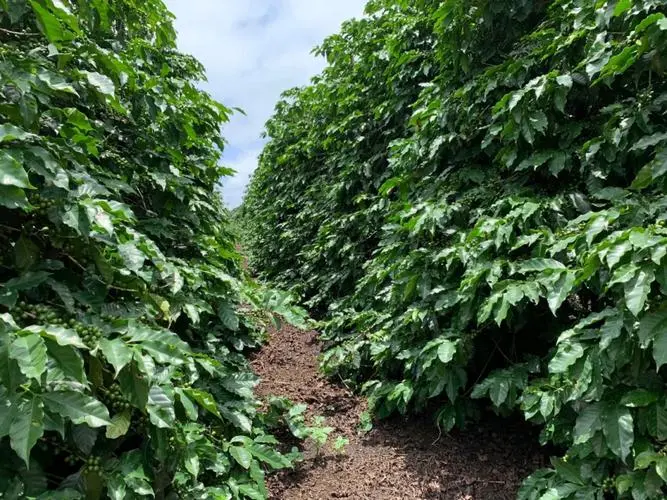
Against this backdrop, Neumann Kaffee Gruppe (NKG), the world’s largest green coffee trading company, has announced plans to expand its business in Indonesia. This includes offering coffee import, warehousing, and distribution services, with the first new facility to be located in the capital, Jakarta. This new strategic move will not only serve Indonesia’s expanding domestic coffee roasting market but is also expected to reduce shipping costs and transit times effectively through adjustments in regional supply chains.
Indonesia is the world’s third-largest coffee producer, but domestic coffee consumption has been growing rapidly in recent years. Observations by institutions such as the U.S. Department of Agriculture suggest that local demand may soon surpass production, creating a noticeable supply-demand gap and driving up coffee import needs. NKG’s move is precisely aimed at capitalizing on this trend, with the goal of meeting the growing local demand for high-quality coffee beans through a robust import and logistics network, while further strengthening its competitive position in the Asian market.
For coffee traders and roasters, the current market environment is filled with uncertainties. Every link — from regional weather and farmer behavior to international transport — can impact final costs and supply stability. Understanding the latest developments in major producing regions, as well as strategic adjustments by global trading giants, will help better plan procurement and inventory to navigate future market volatility.
The above content is compiled by CoffeeHunters, a coffee news website.


