







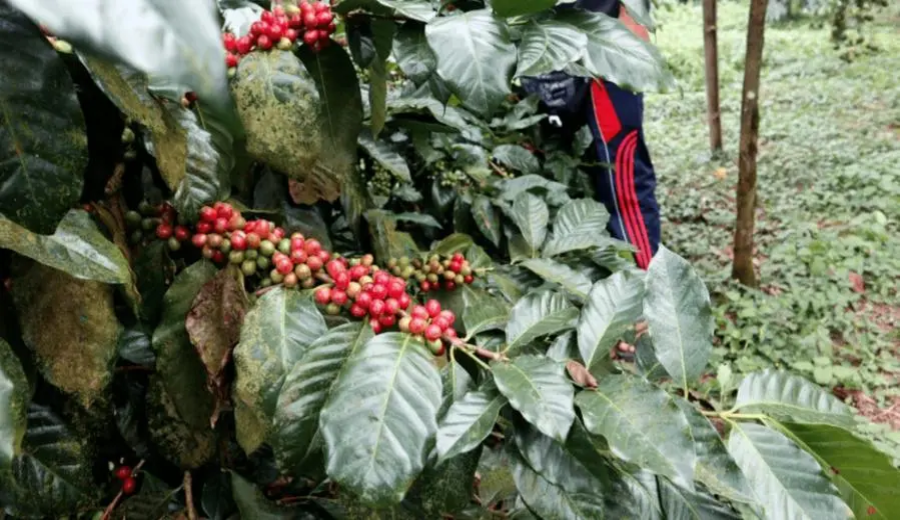
Introduction:The price premium for Indonesian Sumatra Robusta coffee has been rising steadily due to volcanic activity and prolonged drought in the producing regions, compounded by global climate anomalies and rising shipping costs. This article delves into the key factors currently impacting Indonesia’s coffee supply chain, helping you understand the real reasons behind the price trends of Robusta and the potential risks and opportunities that lie ahead.
Recently, the market price of Robusta coffee has remained at a high level. Aside from the impact of soaring transportation costs caused by the Red Sea shipping crisis, this is also closely related to global climate anomalies, particularly the reduced production in multiple countries due to the El Niño phenomenon. Among the various coffee-producing regions, the premium for Robusta coffee produced in Indonesia’s Sumatra region has climbed from the original $450 per ton to $500–520 per ton this week, indicating that market supply and demand tensions continue to intensify.
As Indonesia’s primary Robusta coffee-producing region, Sumatra is facing challenges from multiple natural and economic factors. The latest market data shows that the premium range for Sumatra Robusta coffee has expanded to $500–520 per ton this week, up from $500 last week. Industry traders note that this wave of premium increases started from an earlier $450 and is expected to continue at least until the main harvest periods in April and June, bringing uncertainty to future market supply.
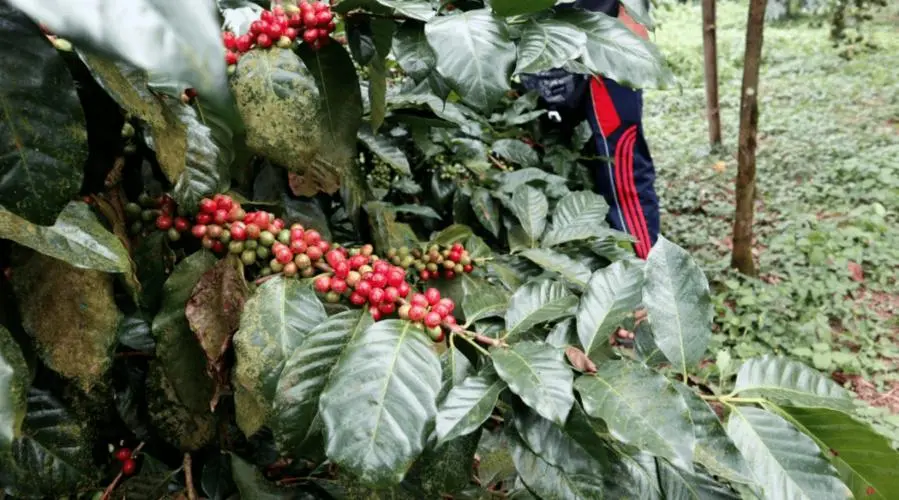
In fact, Indonesian smallholder coffee farmers have been under heavy production pressure in recent years. Not only have fertilizer prices remained persistently high, but the cost of living has also continued to climb. Frequent extreme weather events have further worsened the environment for coffee cultivation. Especially in the Batu Djawa forest area near the southern coast of Langkat Regency in Sumatra, as well as in several major coffee-producing regions across Indonesia, months of severe drought have been experienced, with water levels in some rivers nearly depleted. Experts point out that this drought is mainly influenced by the combined effects of the El Niño phenomenon and the Indian Ocean Dipole climate pattern, which has further exacerbated the issue of insufficient soil moisture.
Indonesia is located within the Pacific Ring of Fire, with over 120 active volcanoes, making earthquakes and volcanic eruptions a common occurrence. According to data from Indonesia’s Geological Disaster Technology Research and Development Center, recent volcanic activity has been frequent in many parts of the country. The most active among them is Mount Merapi, located in eastern Java, while Mount Semeru in East Java has also reported eruptions. These volcanic activities have forced thousands of residents to evacuate their homes. Although there have been no reports of casualties so far, many coffee farmers and industry players are concerned that ongoing volcanic ash and geological shifts could directly affect the growing environment of coffee trees and may even lead to further reductions in future harvests.
Beyond the threats posed by natural disasters, fertilizer supply and soil quality are also major concerns for Indonesia’s coffee industry. Looking back at 2022, the outbreak of the Russia-Ukraine war significantly disrupted the global fertilizer supply chain, with fertilizer prices once soaring to historic highs. Although prices have since stabilized somewhat, potassium fertilizers and other key fertilizers remain relatively expensive by long-term historical standards, placing a heavy burden on many low- to middle-income coffee farmers who struggle to purchase sufficient fertilizer. In the Batu Djawa region, many coffee farmers report that long-term use of chemical fertilizers and a lack of scientific management have gradually degraded soil fertility, directly affecting the health of coffee trees and ultimately reducing yields.
In response to these challenges, the local agricultural community generally believes that to truly enhance the overall yield and quality of Indonesian coffee, the government and industry need to invest more resources to provide farmers with modern planting techniques and soil management training. Many coffee farmers say that the traditional farming methods they have relied on in the past are no longer adequate in today’s climate and market conditions. There is an urgent need to introduce more efficient planting systems, such as shaded cultivation, organic compost application, and precision irrigation, in order to maintain stable production under increasingly harsh environmental conditions and further enhance the market competitiveness of coffee.
The above content is compiled by CoffeeHunters, a coffee news website.


