







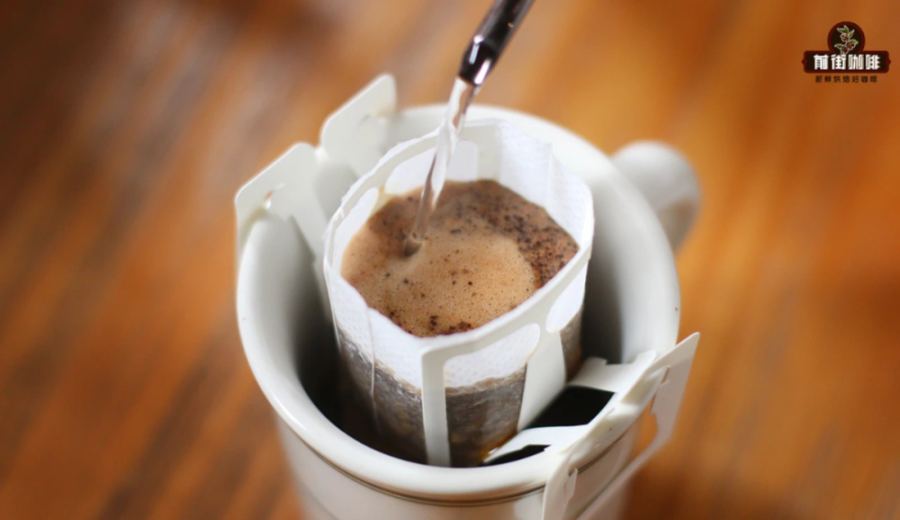
Introduction:Due to their convenience and portability, drip bags have become a popular choice for daily coffee consumption. However, many users still make common mistakes when using them. From incorrectly steeping them like tea bags to assuming they dissolve like instant coffee, these improper methods can severely impact the flavor experience. This article will delve into the origin and design principles of drip bags, break down four common usage errors, provide expert-level brewing recommendations and key parameters, and highlight the flavor profiles of five representative drip bag coffees to help readers make better choices and brew more effectively.
In recent years, drip bags have become a daily companion for many coffee enthusiasts. Not only are they convenient to carry, but they also allow you to easily brew a cup of coffee at home, in the office, or even on the go that closely resembles the quality of a pour over. However, precisely because their appearance and usage seem simple, many people easily fall into misconceptions during actual use—such as treating them like tea bags by steeping them directly, brewing them quickly like instant coffee, or choosing an inappropriate cup that leads to imbalanced taste. These mistakes not only affect the extraction efficiency but may also leave you with a negative impression of drip bags.
The origin of drip bags can actually be traced back to Japan, where they were initially designed to allow people to enjoy coffee quality close to that of a pour over, even outdoors or in the office. This portable coffee packet combines the functions of a filter bag and a filter cup. Its distinctive feature is the two "ears" on the sides—cardboard brackets that hang over the cup. Early versions had only one ear, but after improvements, it evolved into the familiar double-ear design we know today, which provides more stable support for the filter bag and ensures even dripping.
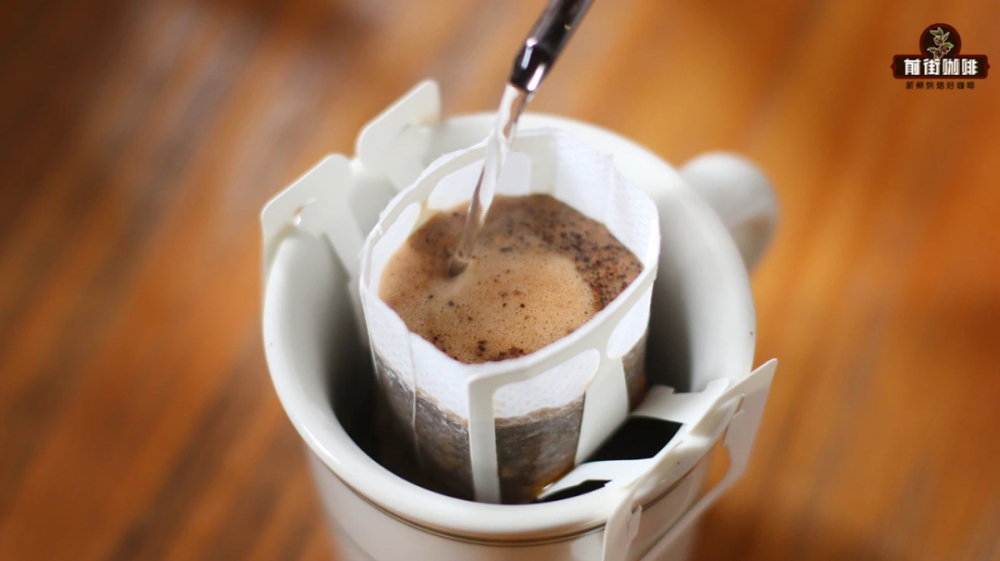
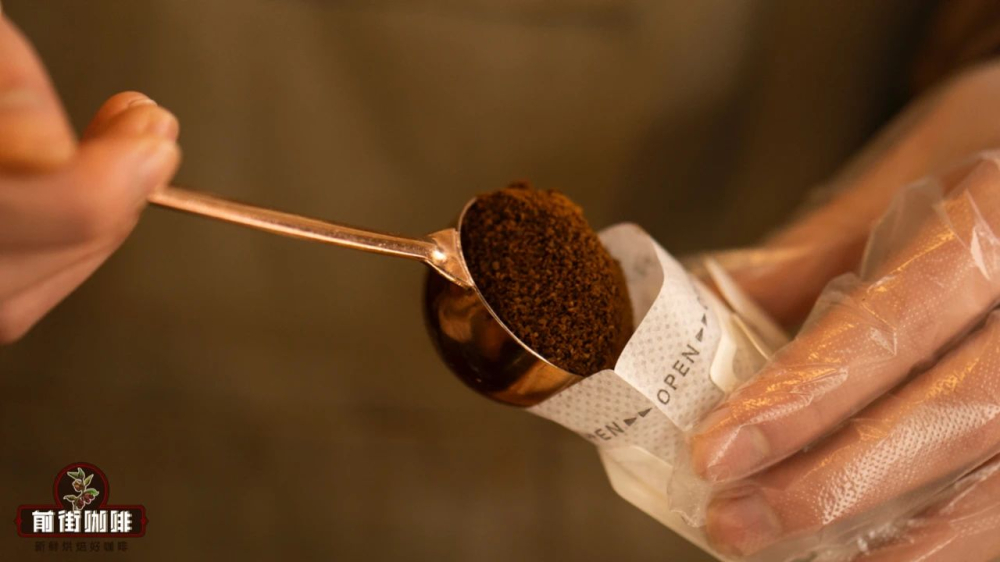
A drip bag refers to pre-ground coffee packed in a filter bag with a built-in filter cloth, which is then hung over the edge of a cup using the two cardboard ears on the sides, allowing for drip extraction. The design was inspired by traditional tea bags, but to better meet the needs of coffee extraction, the designers specifically chose a non-woven fabric filter cloth. This material effectively filters out coffee grounds while allowing water to flow evenly through, reproducing the layered flavors of a pour over. The earliest drip bags had only a single ear, but it was found in practice that the single-ear design couldn’t withstand the weight of continuously poured hot water, often causing the filter bag to tilt or coffee grounds to spill out. This led to the development of the now-common double-ear structure, which offers better stability and extraction performance.
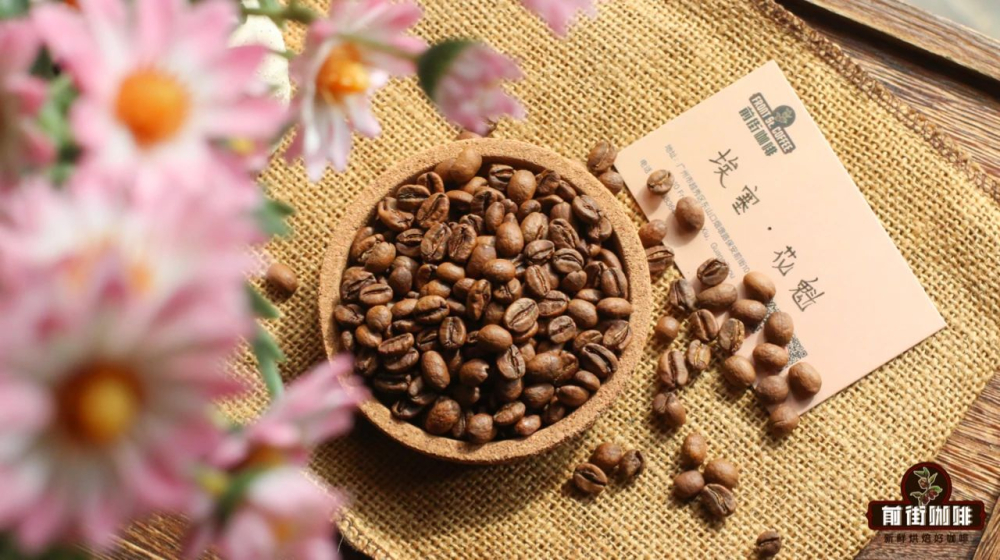
The coffee grounds in drip bags are pre-ground before packaging, which means the surface area exposed to air is significantly increased. As a result, aromatic compounds and flavor substances dissipate faster than with whole coffee beans, leading to a relatively shorter shelf life for flavor preservation. Generally speaking, the optimal flavor window is within three weeks after roasting, and brewing within one week allows you to experience the coffee’s original vibrant flavors and layered complexity.It is recommended to choose products that are produced within five days of roasting and can be delivered quickly to ensure freshness.For example, some brands offer drip bags that are produced within five days of roasting and provide same-day or 24-hour shipping services, ensuring consumers can enjoy a flavor as close as possible to freshly ground and brewed coffee.
Here are several representative drip bag coffees and their flavor profiles: First is the Natural G1 Huila, which uses the traditional natural processing method. After prolonged drying on raised beds, it delivers tropical fruit aromas such as mango, jackfruit, and citrus, along with a honey-like sweetness. The Yirgacheffe Gu Ding Ding showcases a solid body with pronounced fermentation aromas and tropical fruit notes. As the temperature drops, you can also detect layers of berries and cream, with a pleasant citrus acidity lingering in the aftertaste. The Indonesian Mandheling G1 is characterized by low acidity and a rich body, with distinct herbal aromas accompanied by caramel, nut, and dark chocolate sweetness, as well as unique spicy notes. The Yunnan Small Bean Drip Bag represents China’s domestic specialty coffee, with a medium roast highlighting a nutty and herbal base, paired with chocolate and caramel aromas, and a slight fruity acidity in the aftertaste, offering a smooth and enjoyable overall profile. Lastly, the Brazilian Cerrado Red Bourbon is suitable for those who prefer a balanced flavor. The medium roast emphasizes prominent nutty aromas, with neither strong bitterness nor acidity, resulting in a harmonious and easy-to-drink flavor.
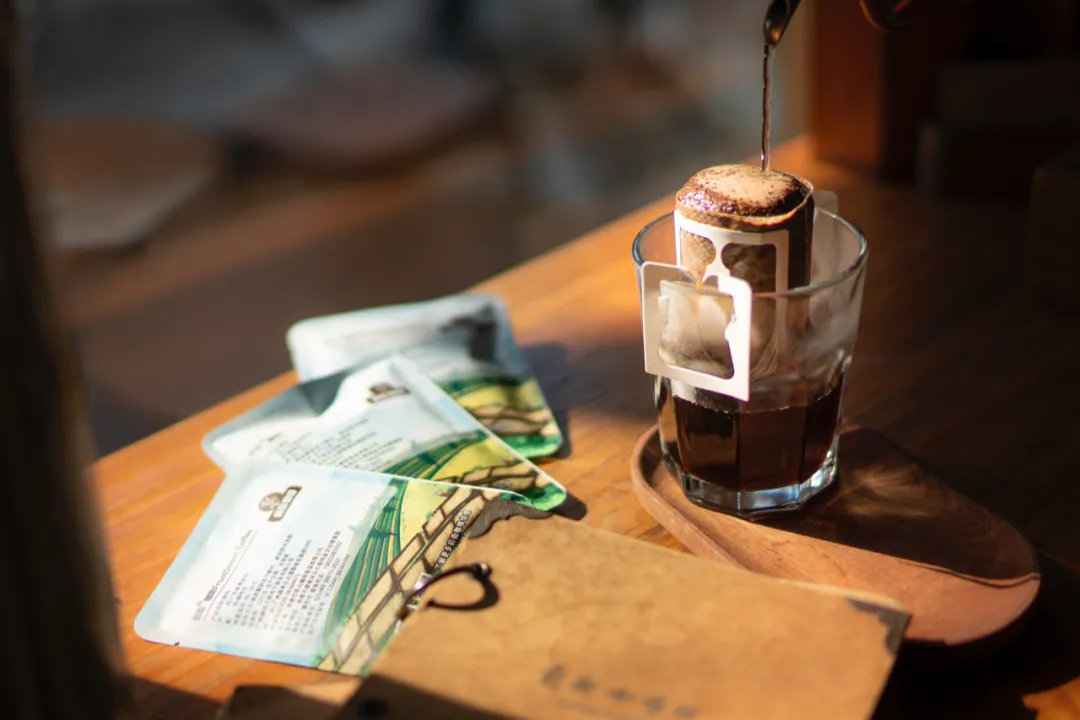
However, many people often fail to experience the full flavor potential of drip bags due to improper usage. Below are some common mistakes and their potential negative impacts:
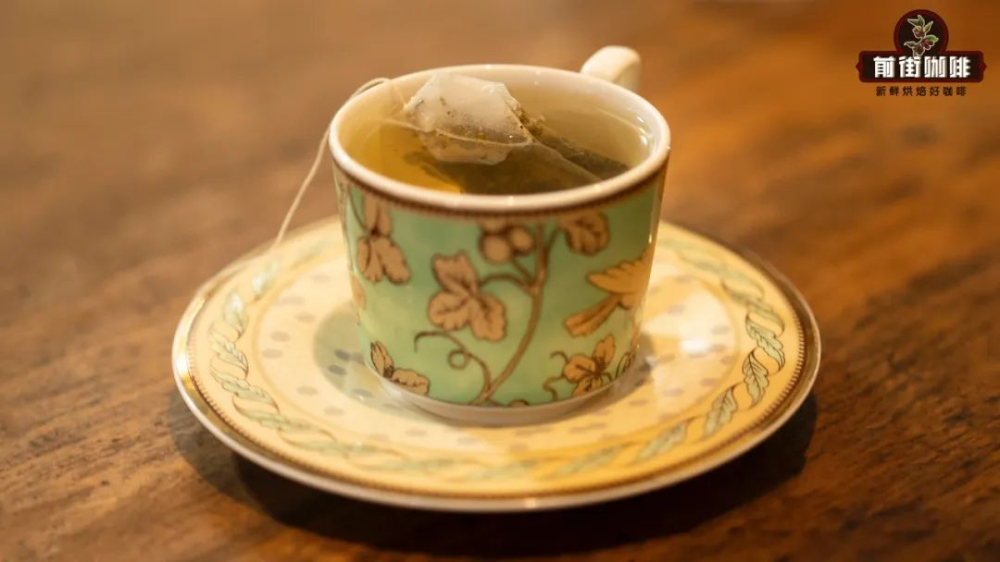
The first common mistake is treating drip bags like tea bags by steeping them directly. Some users overlook the step of tearing open the sealed end and simply drop the entire drip bag into water to soak. This not only significantly reduces extraction efficiency but also leads to weak coffee flavor due to uneven water penetration. In some cases, it may even produce woody or cardboard-like off-flavors. Especially without stirring, the coffee grounds in the center often fail to fully saturate, and even with extended steeping time, only the outer layer of grounds gets extracted, leaving a large amount of unreleased flavor compounds in the center, which affects the overall balance of the taste.
The second mistake is treating drip bags like instant coffee. Instant coffee is made by extracting coffee and then dehydrating it into powder, which dissolves instantly in water. In contrast, the coffee in drip bags consists of freshly ground beans containing a significant amount of insoluble fiber. If you try to dissolve it directly in water, you’ll not only end up with a mouthful of coffee grounds but also compromise the purity of the flavor and the smoothness of the taste.
The third common issue is pouring too much hot water at once. Many people using regular kettles at home often lose control over the angle or force, leading to an excessive amount of water being poured in at once. This can cause the coffee grounds to overflow from the filter bag, tilt the bag, or even mix coffee grounds into the beverage, negatively affecting the overall drinking experience.
The fourth mistake to watch out for is choosing an unsuitable cup. If the cup is too short or has a small capacity, the coffee liquid may come into contact with the coffee grounds too early during brewing, increasing the risk of over-extraction and bringing out excessive bitterness and astringency, which disrupts the overall balance of the coffee.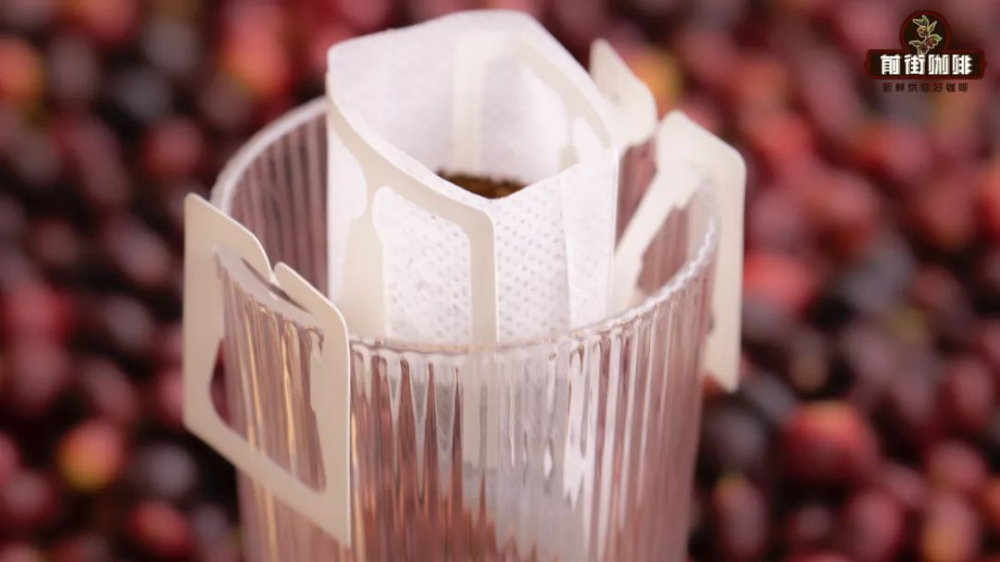
So, what is the correct way to brew drip bags? First, it’s recommended to choose a cup with a moderate height to reduce the risk of over-extraction caused by prolonged contact between the coffee grounds and liquid. Second, pour hot water in multiple steps, using small amounts each time. This not only helps control the evenness of extraction but also prevents coffee grounds from spilling out with the water flow. Additionally, the water temperature should be maintained between 90–93°C, and the coffee-to-water ratio can be adjusted according to personal taste, with a common range being 1:15 to 1:18. By avoiding the common mistakes mentioned above and mastering the basic brewing principles, you can easily enjoy a quality and flavor experience with drip bags that’s close to that of a pour over.
The above content is compiled by CoffeeHunters, a coffee news website.


