







Introduction:The piccolo latte is often mistaken for a mini latte, but in the eyes of baristas, it is actually a milk coffee that demands more technical skill and showcases flavors with greater precision. This article delves into the key differences between a piccolo and a latte in terms of ratio, preparation, and pricing, explaining why the piccolo, though small, commands a higher price—and includes practical details to help readers better understand this classic espresso-based drink.
The piccolo latte (Piccolo Latte), literally translated as “little latte,” is in fact notably different from a regular latte. This beverage originated from baristas’ daily workflow of dialing in, initially used mainly to assess the extraction performance of freshly roasted beans and the compatibility between espresso and milk. Over time, the piccolo gradually entered the consumer spotlight and has gained popularity for its compact serving size and intense flavor.
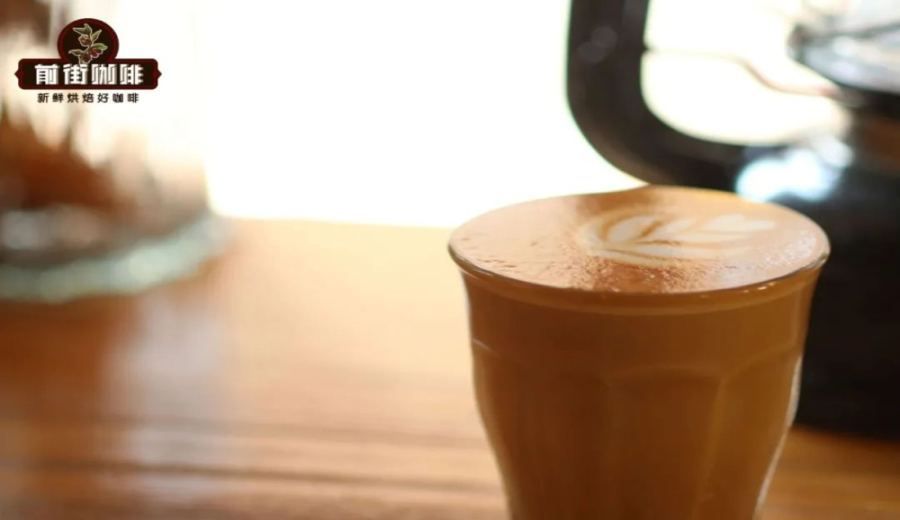
In traditional preparation, a piccolo is typically served in a transparent glass cup with a capacity of about 90 milliliters, containing a single shot of espresso (about 20 grams of coffee grounds yielding 30 milliliters), along with approximately 60 milliliters of steamed milk and fine microfoam. In comparison, a standard latte usually ranges from 180 to 250 milliliters in volume, making the piccolo not only significantly smaller in size but also more technically demanding for baristas.

The reason the piccolo latte has moved from behind the scenes to consumers’ tables lies in its origin, which is closely tied to the needs of baristas. In the early days, baristas or roasters needed to evaluate the extraction performance and flavor characteristics of new beans without consuming large quantities. They aimed to assess the overall taste of the espresso itself and how it interacted with milk. Preparing a full-sized drink not only risked excessive caffeine intake but could also lead to coffee bean waste due to repeated adjustments.
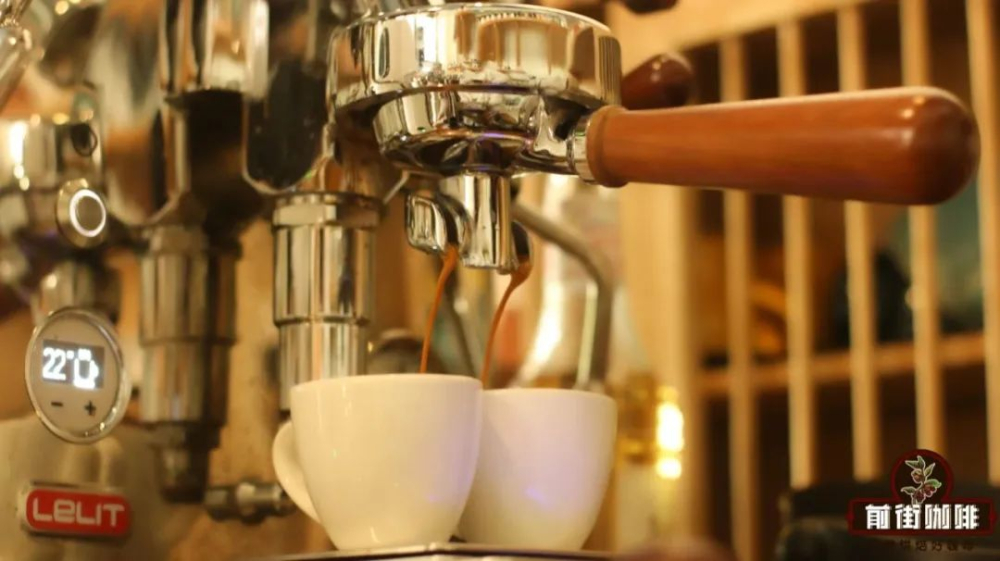
To address this issue, many professionals began using a split portafilter to divide a single shot of espresso into two parts: one part was tasted directly, while the other was mixed with milk in a specific ratio to create a miniature latte. Over time, this method was adopted by many independent coffee shops as a practical way to offer customers samples of new products or gather feedback, eventually evolving into the piccolo latte commonly found on menus today.
Compared to a regular latte, the advantage of the piccolo is that it allows drinkers to quickly experience the essential flavors of the coffee beans with a smaller serving, while also enjoying the softness and sweetness brought by the milk. The smaller cup size not only aligns with the habits of many consumers who prefer a quick coffee fix without feeling overly full, but also makes it easier to finish the drink in a short time—thus appealing to busy customers abroad.

So, what makes the piccolo “piccolo”? The key lies in its strict ratio and technical difficulty. According to traditional practice, the standard serving size of a piccolo is 3 ounces (approximately 90 milliliters), consisting of a single shot of espresso (20 grams of coffee grounds yielding 30 milliliters), along with about 60 milliliters of milk and fine microfoam. This combination is not only compact in proportion but also poses a significant challenge to the barista’s milk frothing and blending skills.
First, with a total milk volume of just 60 milliliters, producing fine and stable microfoam is highly challenging for baristas who are not yet highly skilled. Some less experienced baristas may opt to increase the amount of milk to make frothing easier or use a smaller milk pitcher to better control the process. Second, within such a small cup, achieving an even blend of espresso and microfoam, along with executing a refined latte art design, undoubtedly requires a high level of professional training and accumulated experience.
To give the piccolo greater distinction and layered flavor, some coffee shops choose to use a ristretto (which can be understood as an espresso extracted only from the first and middle portions, resulting in a more concentrated and intense flavor) instead of a regular espresso, or they may use single-origin beans instead of common blends to further enhance the flavor profile. Additionally, the serving vessel is often switched from a transparent glass to various exquisitely designed small cups to elevate the overall drinking experience.
At this point, some may wonder: since the piccolo is served in such a small cup, why is it often not cheap? The key lies in the technical input and ingredient handling required during its preparation. Although the total amount of espresso and milk used in a piccolo is smaller, a single shot of espresso still requires extracting a full dose of coffee grounds. If a split portafilter is used, even if the coffee dose is divided into two shots, one of them still needs to be absorbed by the café internally and cannot simply be regarded as a “reduced portion.”
Furthermore, the piccolo places significantly higher demands on a barista’s fundamental skills compared to regular milk coffees, especially in terms of the fineness of the milk foam, the uniformity of the blend, and the precision of the latte art. Independent coffee shops that dare to include the piccolo in their official menu often uphold high standards for product quality and consistency, which is also reflected in their pricing strategy. Typically, such cafés do not adjust the prices of milk coffee drinks like lattes, flat whites, and piccolos individually by large margins, but rather consider the overall quality and technical costs.
The above content is compiled by CoffeeHunters, a coffee news website.


