







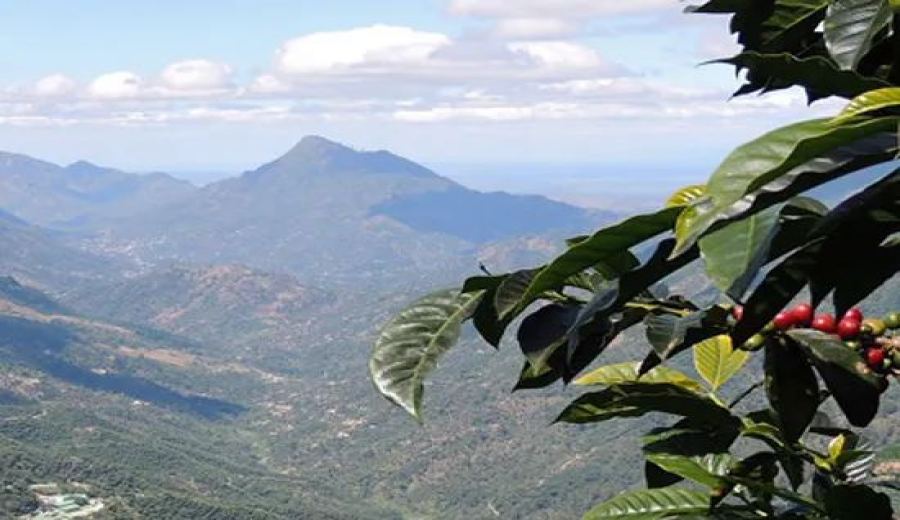
Introduction:Delve into how Guatemala’s Nuevo Oriente region, with its high altitude and unique microclimate, cultivates complexly flavored Geisha coffee. This article explores the region’s history, geographical conditions, the evolution of the Geisha variety, and the brewing performance of a particular brand’s honey-processed beans—offering insights into the brewing recommendations and flavor profile of this high-altitude honey-processed Geisha.
Guatemala’s exceptional volcanic terrain and diverse microclimates contribute to its coffee’s bright and layered acidity. Since the introduction of coffee plants by Jesuit missionaries in the 18th century, the country gradually shifted from relying on indigo dye exports to coffee cultivation. Particularly after coffee became a major economic crop in 1856, and with the establishment of the National Coffee Association (ANCAFE) in 1960, the industry saw increased scale and internationalization.
Out of the country’s 22 departments, 20 produce coffee, with eight major regions widely recognized—five volcanic and three non-volcanic—typically cultivated at elevations above 1500 meters. Among the non-volcanic regions, Nuevo Oriente is Guatemala’s youngest coffee-growing area, with coffee cultivation only beginning in the 1950s. Bordering Honduras, it is remote and was once one of the country’s poorest regions.
The Nuevo Oriente region enjoys abundant annual rainfall, with altitudes ranging between 1500 and 2050 meters. Perennial cloud cover, relatively short sunlight hours, combined with high humidity and fertile volcanic soils, give the coffee here a uniquely complex flavor.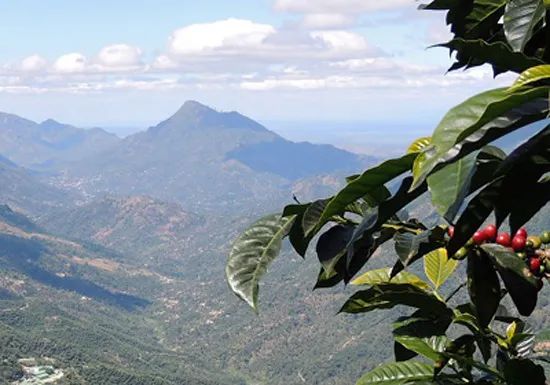 Coffees from this area often exhibit multi-layered aromas and tastes, making it an emerging region that has garnered significant attention in recent years.
When discussing specialty coffee, the legendary journey of the Geisha variety cannot be overlooked. This variety was first discovered in Ethiopia in the 1930s, introduced to Tanzania in 1936, brought to Costa Rica in 1953, and then entered Panama in 1970. Initially, due to its slender branches and low yield, it was not highly valued. However, with the rise of the specialty coffee trend, Geisha stood out for its unique aroma and flavor structure.
In 2005, Panama’s Hacienda La Esmeralda entered Geisha in the Best of Panama (BOP) competition. With its delicate floral notes, distinct jasmine, peach, and bergamot tones, paired with extremely high cupping scores, it won first place and set a new record for the highest auction price of green coffee beans that year—at over $20 per pound. This sparked a global wave of Geisha cultivation, and Guatemala followed suit by introducing the variety.
A certain coffee brand’s Nuevo Oriente Geisha coffee beans are grown in high-altitude areas between 1500 and 2050 meters, processed using the honey method, and roasted to a medium-light level. This bean is recommended for brewing with a V60 filter cone, using a 1:15 coffee-to-water ratio and a water temperature of around 92°C for pour over, which can fully highlight its flavor characteristics.
After brewing, the first impression is a subtle white floral aroma, followed by gentle fruity acidity on the palate, leading into the fresh notes of sweet orange and bergamot. The finish is accompanied by a honey-like sweetness and the smoothness of toffee, with an overall soft yet dynamic layering. This honey-processed Nuevo Oriente Geisha is not only suitable for everyday specialty pour over but also serves as an excellent entry point for exploring Guatemala’s high-altitude micro-lot coffees.
The above content is compiled by CoffeeHunters, a coffee news website.


