








Introduction:Venture into Yunnan’s coffee-growing regions to explore the evolution of coffee varieties from Catimor to Typica, and how altitude and shaded planting influence coffee flavor. Discover the on-the-ground observations and cultivation practices of a certain coffee brand in Yunnan—from ripening times and climate challenges to meticulous management—and uncover the terroir secrets behind a great cup of coffee.
What is the most well-known coffee variety in Yunnan? To find out, we revisited the planting base of a certain coffee brand located in Yunnan. This article provides a detailed account of the brand’s cultivation insights and field observations, covering the impact of altitude on fruit ripening times, the shift from Typica to Catimor as the dominant variety, and the creation of a unique planting environment through forest shade.
To brew a coffee rich in flavor, it’s not just post-harvest processing techniques that matter—variety selection, altitude, and the natural environment play an even more critical role. Especially, coffee cherries must accumulate sufficient heat and nutrients on the tree; the longer the ripening time,the richer the flavor compounds tend to be.. The brand’s plantation is tucked away within mountain forests, where the surrounding trees result in lower temperatures and less sunlight, causing the coffee cherries to ripen later compared to typical growing regions.

Generally speaking, for every 100-meter increase in altitude, the temperature drops by about 0.6°C. Since plant fruits need to accumulate enough heat to fully ripen,in high-altitude, low-temperature, slow-ripening environments, coffee can often exhibit more complex layers of flavor.. In Yunnan’s low-altitude areas, coffee is usually harvested around October each year. However, although the brand’s plantation is not at an extremely high altitude, its location within the forest means the overall environment has a lower temperature, coupled with shorter daylight hours, resulting in the cherries only gradually ripening by early January. Overall, the harvesting window for this region can be considered to span from October of the previous year to March of the following year.
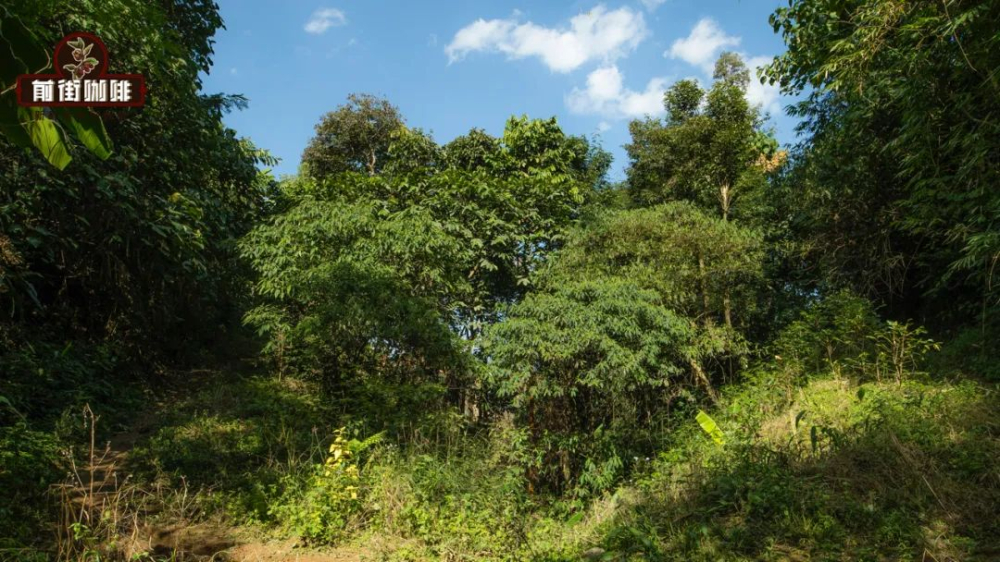
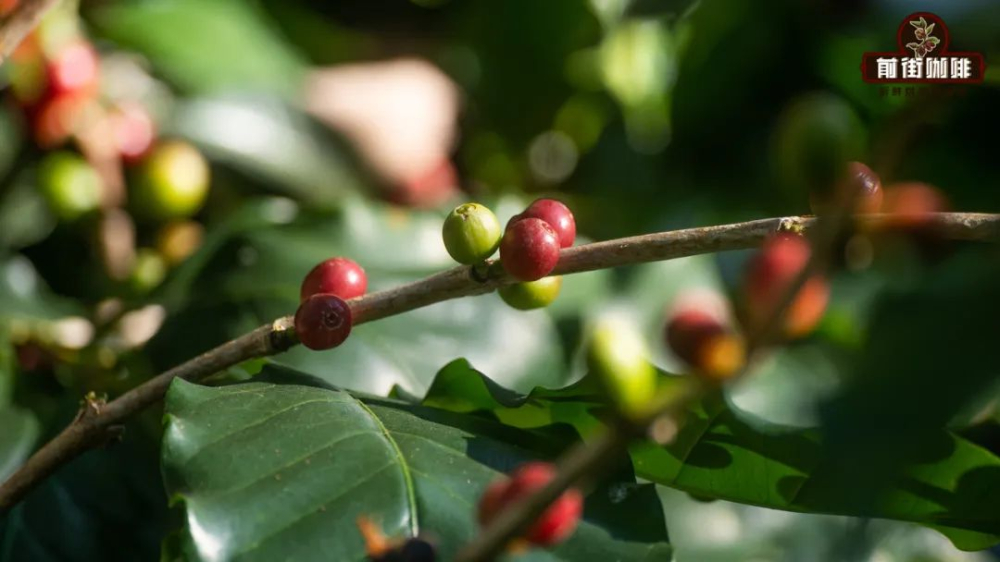
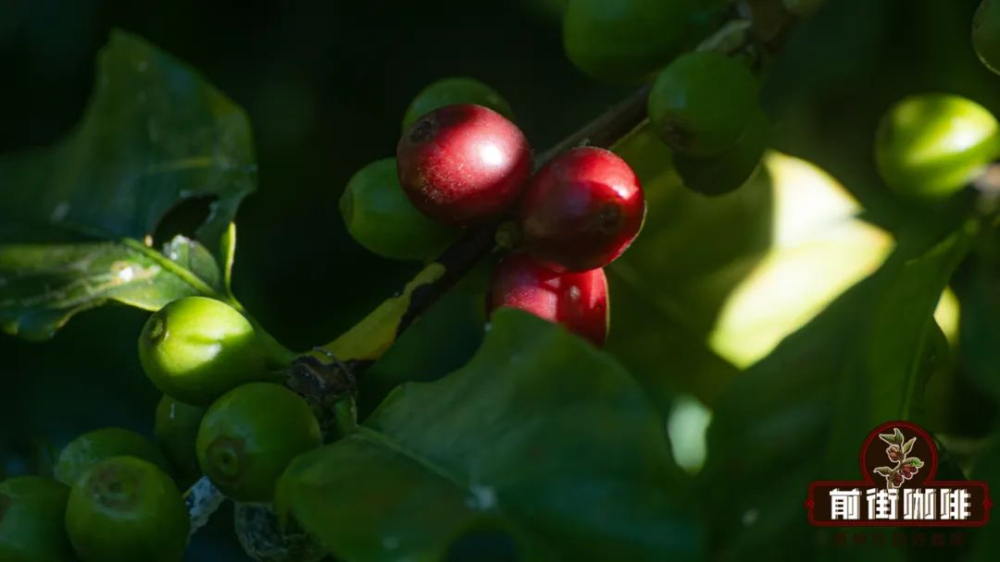
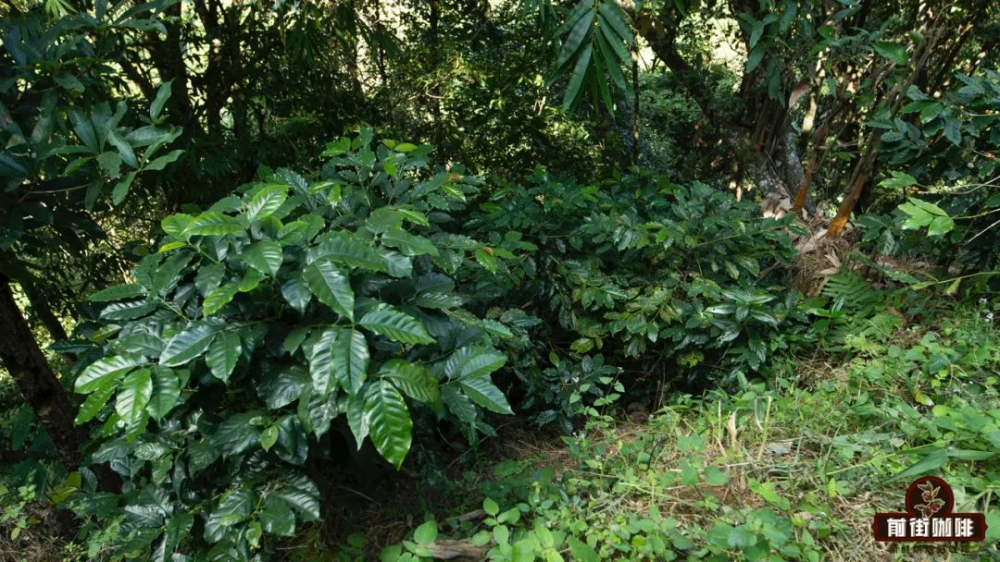
The coffee brand’s original project was named “Dazhen Coffee,” stemming from the team’s early intention to grow coffee in a place in Guangdong called “Dazhen.” At the time, their understanding of coffee cultivation was still in its infancy, but fueled by enthusiasm, they tried planting the common Catimor variety. Before long, however, the focus shifted from Guangdong to Yunnan, and the variety changed from Catimor to the more historically significant Typica.
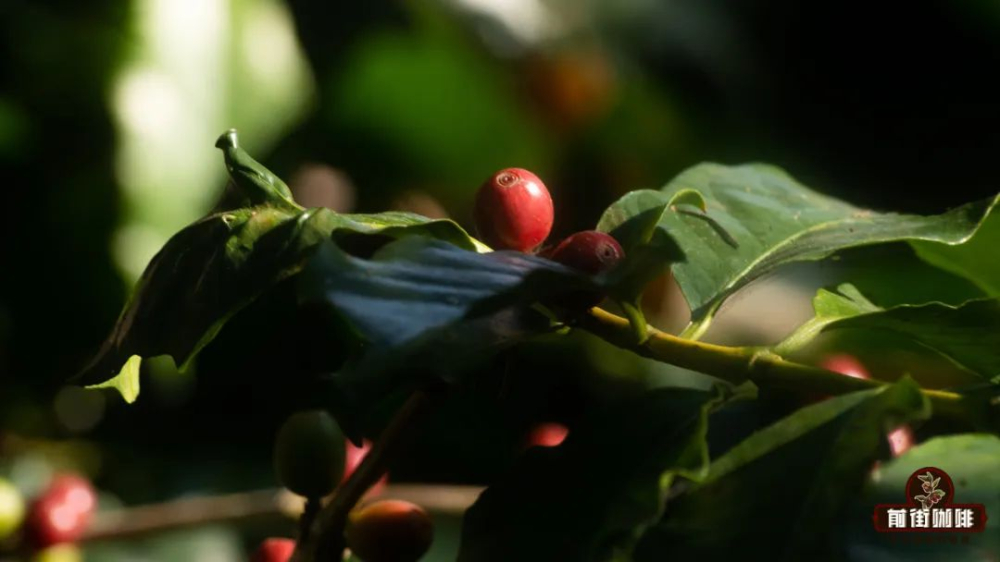
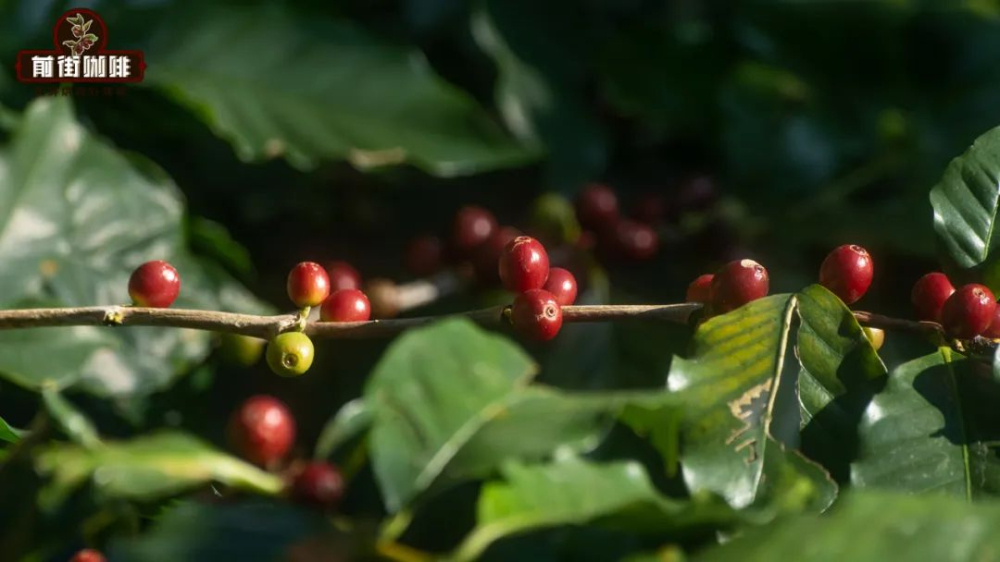
(Photo shows Typica plants grown among trees)
The birth of a high-quality coffee is never accidental, but rathera fine combination of three key elements: variety, altitude, and post-harvest processing.. Among these, the choice of variety is the most fundamental and critical factor, followed by a suitable terroir. Climate and altitude directly affect the nutrient accumulation of coffee as it ripens on the tree, thereby determining the richness of its flavor. As previously mentioned,high altitude not only slows down the ripening process but also aids in the accumulation of flavor compounds.. In contrast, most areas in Guangdong are only a few hundred meters above sea level, whereas the Kunming area starts at over 2,000 meters, resulting in vastly different natural conditions.
Additionally, coffee is extremely sensitive to frost. The cold air masses that sweep southward from Siberia in winter can completely destroy unprotected coffee trees within just two days. This is also why the world’s “coffee belt” is largely concentrated between the Tropic of Cancer and the Tropic of Capricorn. The Tropic of Cancer passes through Conghua in Guangdong, and once you go north of this line, frost becomes almost a yearly norm. Although Yunnan is at a relatively high latitude, it is shielded from cold air by the Gaoligong Mountains to the north, and its complex terrain creates numerous microclimates, making some high-altitude areas ideal for coffee cultivation. For example, in Kunming, the temperature might be as low as 4°C at 6 a.m., but by 10 a.m., it quickly rebounds to 16°C, showing significant diurnal temperature variation.
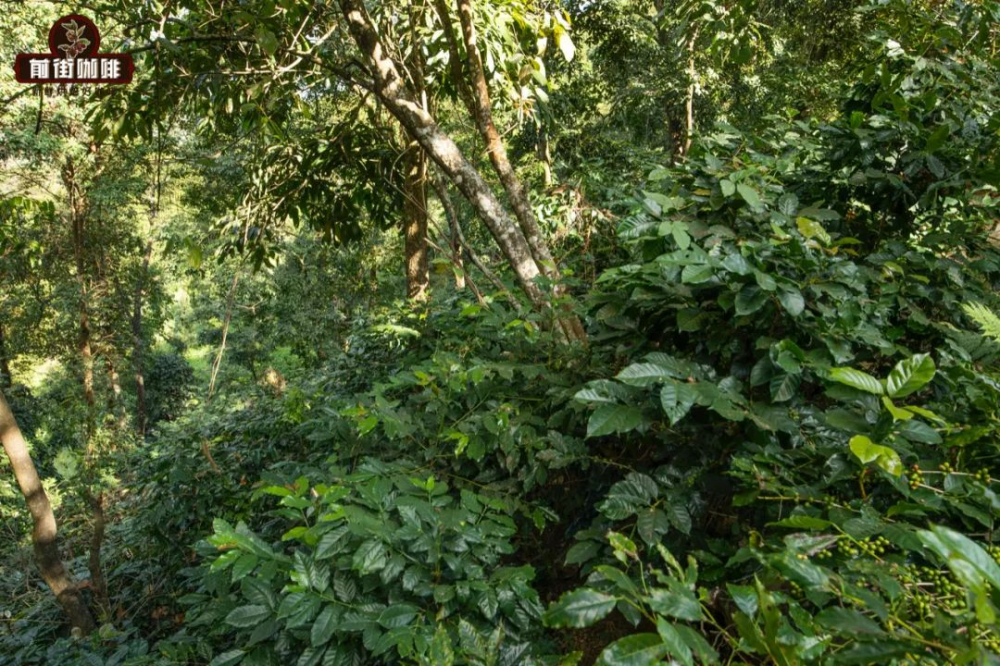
The journey from Kunming to the brand’s plantation covers about 800 kilometers, mostly along winding mountain roads, taking approximately 9 to 10 hours by car. Over the past decade, the team has made this trip roughly 3 to 4 times a year, mainly choosing key moments such as just before the rainy season, during the coffee flowering period, and after the rainy season ends to conduct inspections.
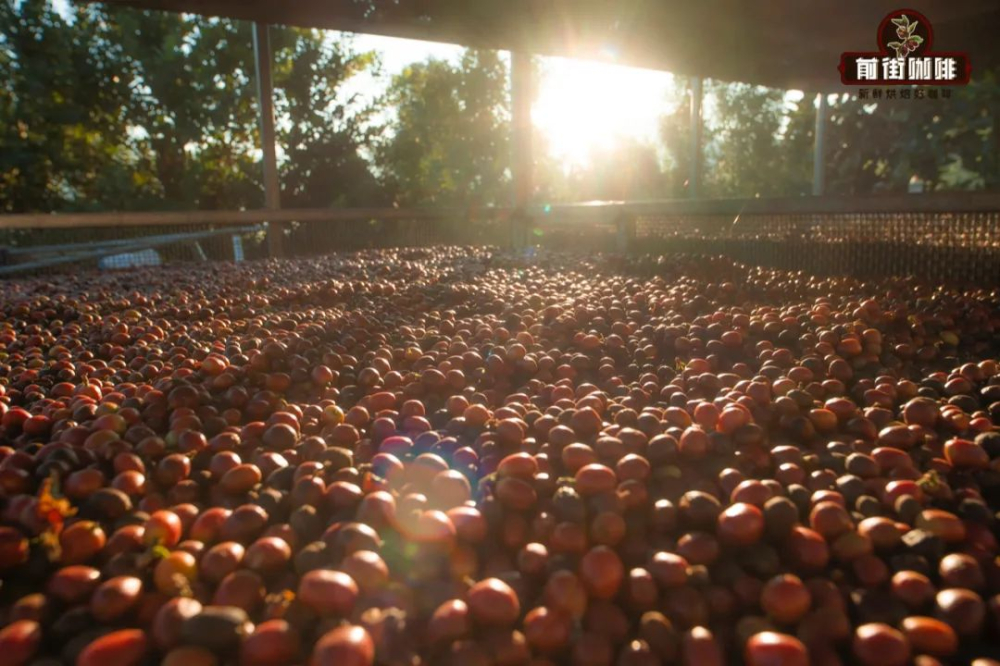
The seasonal divisions in Yunnan’s growing region are not as distinct as in temperate zones, but the boundary between the rainy and dry seasons is quite clear. After the last “earthy yellow rain” in late October each year, a six-month-long dry season begins—this is the golden period for coffee harvesting and sun-drying processing.
(Photo shows coffee cherries undergoing sun drying)
In contrast, the rainy season arrives in April and May each year, with frequent rainfall. If coffee seedlings are planted during this time, even with minimal care in the following months, the seedlings still have a very high survival rate.
(Photo shows newly planted coffee plants)
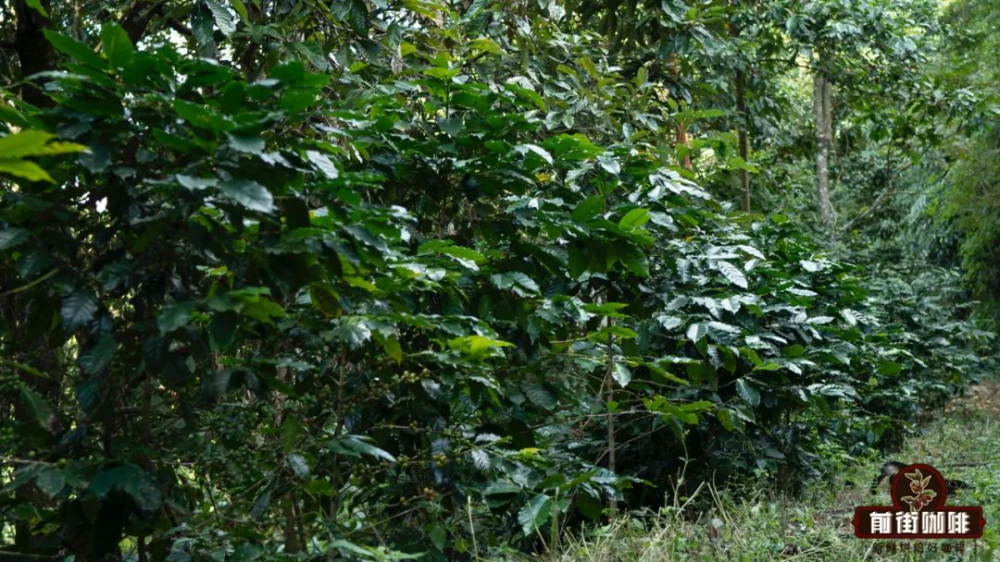
The brand’s plantation is located within a forest—a practice that is not common domestically. Although forest planting can reduce per-unit yield,the tall trees provide natural shade, effectively lowering the ambient temperature and slowing the growth pace of the coffee cherries, giving them more time to absorb soil nutrients and sunlight,which may potentially benefit flavor development.

Among the many “Yunnan small beans,” the brand specifically notes that before Catimor became the dominant variety, Yunnan had long primarily cultivated the two coffee veteran varieties: Typica and Bourbon. Although these two varieties offer excellent flavor profiles, they are less resistant to disease and have gradually degenerated over time. Starting from the 1980s, Catimor gradually replaced them to become the main planting choice locally. Observing the tree structure, a single Catimor plant can produce about three times the yield of a Typica plant, which is one of the reasons why Typica coffee beans are generally more expensive in the market.
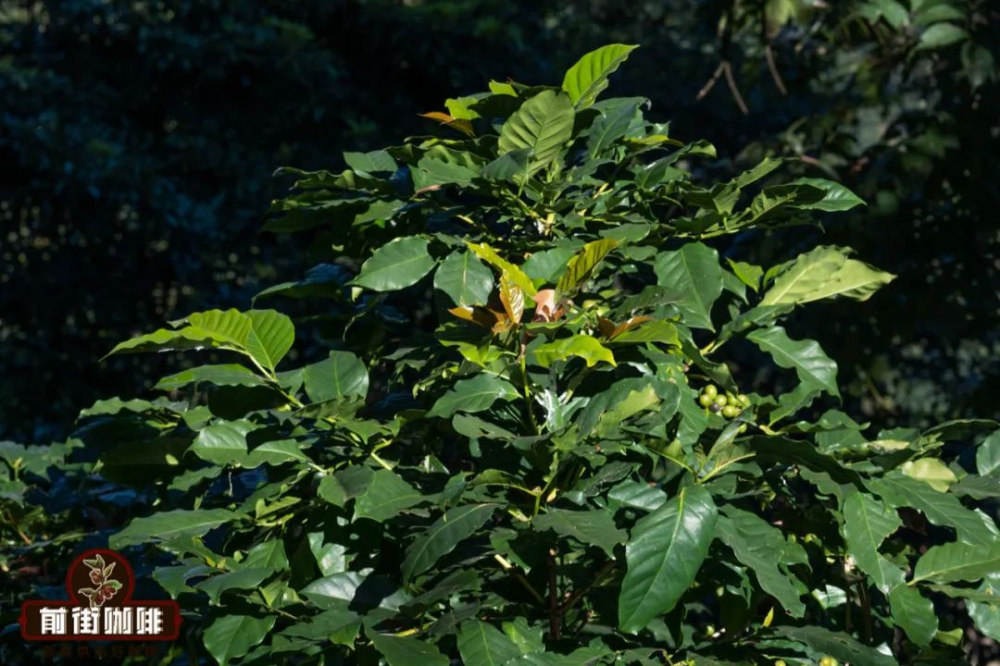
(Photo shows Catimor plants)
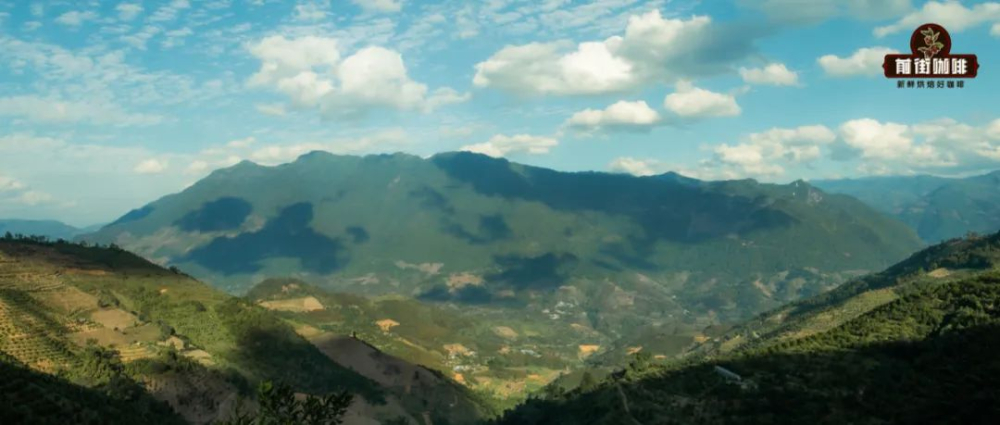
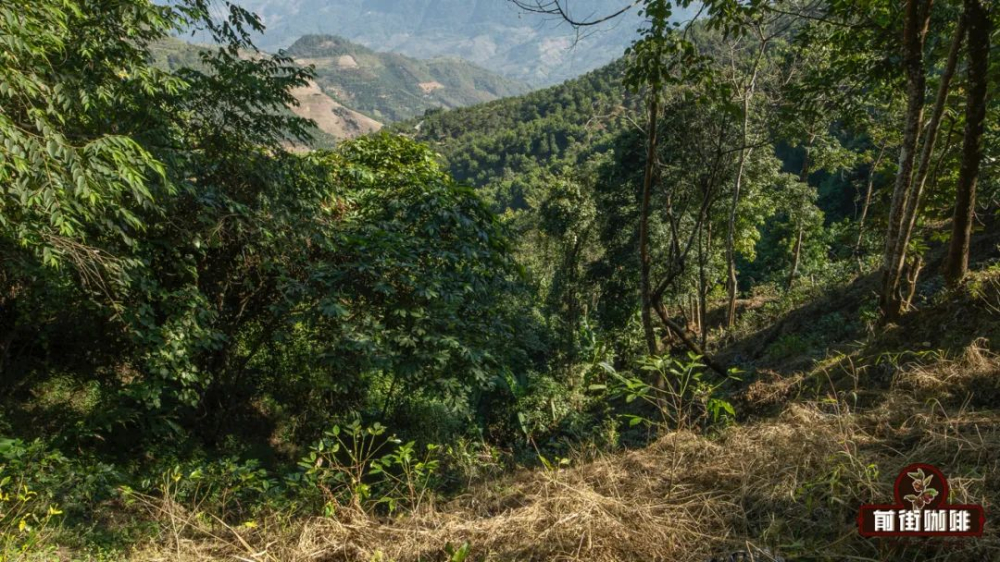
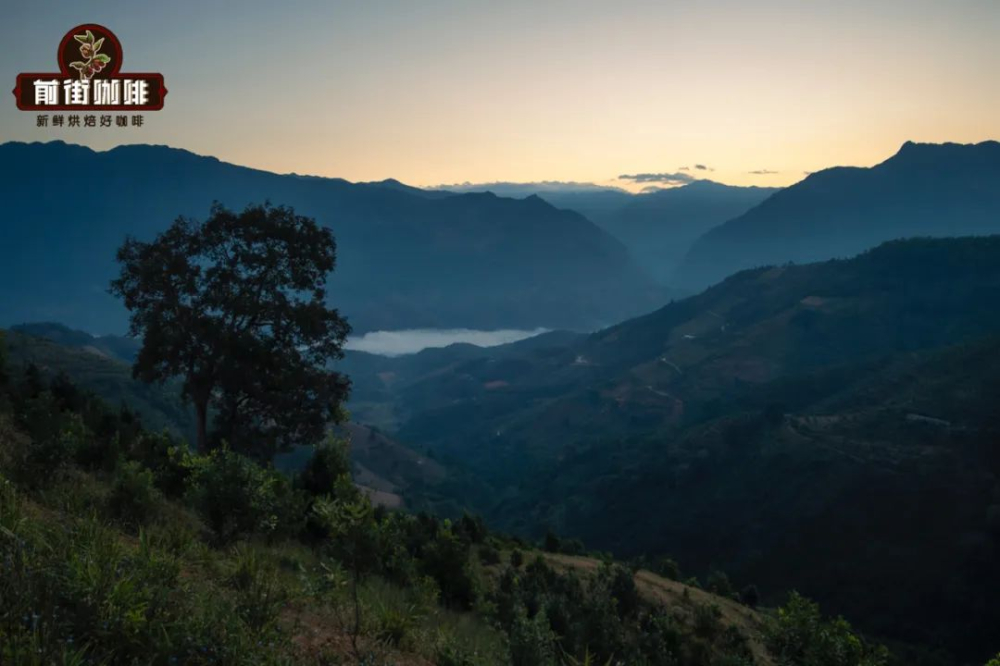
For many coffee enthusiasts, the ambiance of a café is certainly charming, but stepping into the growing region also allows one to experience the strong charm of terroir and the poetry of nature. Of course, the brand’s plantation also frequently showcases stunning natural landscapes.
(Photo shows the natural scenery of the growing region)
However, for growers, the landscape is not the primary concern. More importantly, it’s about observing the growth and ripening processes of coffee in various regions, as well as detecting early signs of potential diseases such as longhorn beetles, anthracnose, or sooty mold. During these periods, team members walk up to 30,000 to 50,000 steps a day, mostly navigating steep and winding coffee fields.
(Photo shows staff walking through coffee plantations)
Coffee harvesting also involves attention to detail. As everyone knows, only fully ripe coffee cherries can deliver the richest taste. But beyond that, the mix of varieties within the planting area, the control of drying thickness for fresh cherries, and timely turning during processing—these seemingly minor steps, if not properly guided for coffee farmers, can significantly impact the final flavor in the cup.
(Photo shows coffee cherry harvesting and processing)
From sowing to the first harvest, it usually takes 3 to 4 years. Currently, the mainstream varieties of specialty coffee in Yunnan are still mainly Typica or Bourbon, with little difference between the varieties, but different regions often exhibit unique regional flavors due to microclimates and soil conditions.
(Photo shows the growth process of coffee trees)
This shows thatterroir is the core factor shaping coffee flavor.. No one can accurately predict the harvest results several years down the line—the only answer requires patient waiting for a few years to be revealed.
Apart from maintaining a good natural environment, there are actually limited aspects of the planting process where human intervention is possible. Most of the time, one can only wait for the coffee trees to grow, flower, and bear fruit naturally. Even when fertilizing, extra caution is needed to avoid disrupting the plant’s natural rhythm. Many coffee enthusiasts today praise traditional or specialty varieties such as Typica, Bourbon, or Geisha, but why is Catimor still the mainstream in Yunnan? The reason is quite practical—changing varieties or adjusting altitudes requires starting from scratch and takes several years. For most coffee farmers, even if they wish to make changes, they are limited by geographical conditions and resource allocation, making adjustments difficult. Even if an ideal variety is found, it still requires years of observation and optimization of post-harvest processing techniques. This is also why, even when the answers are known, many choose to remain in a state of continued observation.
A long wait does not always yield ideal results; but behind every great cup of coffee, there is almost always these indispensable years of maturation—perhaps, this is the most moving part of coffee flavor.





The above content is compiled by CoffeeHunters, a coffee news website.


