








Introduction:As a popular choice in recent years' fat-loss diets, bulletproof coffee has garnered significant attention due to its unique formula and satiating effects. But what is the fat-loss mechanism behind this "fatty coffee"? Can it really help with weight control as rumored? This article delves into its three core ingredients—black coffee, grass-fed unsalted butter, and MCTs—exploring its origin inspiration, actual efficacy, and potential risks, while also providing detailed preparation steps and precautions to help readers rationally assess whether it suits their individual needs.
Bulletproof coffee has maintained high popularity in the fat-loss and ketogenic diet communities in recent years, but its name and actual effects often spark curiosity—why is it called "bulletproof"? Can this drink truly help resist weight gain as claimed? This article will focus on its three key ingredients: black coffee, unsalted grass-fed butter, and MCTs (medium-chain triglycerides), breaking down its invention background, preparation process, and scientific principles, while objectively analyzing possible health risks. It aims to help coffee enthusiasts establish a clear understanding before trying it. The article also includes practical demonstrations and visual references for easier comprehension of real-world application.
The so-called "bulletproof" name actually has nothing to do with defense, but rather stems from the inventor’s metaphor for its effect of "resisting weight gain." The original design intention of this drink was to use a specific combination of fats to reduce cravings for high-sugar and high-carb foods, maintain energy and fullness when not eating, and thereby promote the body’s fat-burning process. Its core formula consists of three elements: black coffee, which provides caffeine and antioxidants; unsalted grass-fed butter, rich in healthy fats; and MCTs, which are easily digestible and can quickly produce ketones.

Unsalted grass-fed butter comes from cows that are fed only grass. Compared to butter produced by cows raised on regular feed, its fatty acid composition leans more toward the beneficial types, and some studies suggest it may aid in fat metabolism. MCTs are medium-chain triglycerides extracted from coconut oil, with shorter molecular structures that are absorbed more quickly by the human body. Their metabolism produces a large amount of ketones—substances that can replace glucose as an energy source for the brain and body when sugar is scarce, while also stimulating fat breakdown. When combined, the high-fat content of the drink delays hunger, reduces the need for additional food intake, and accelerates the utilization of fat as an energy source when the body is in a state of "light fasting."
According to Dave Asprey, the creator of bulletproof coffee, the inspiration for this drink came from the butter tea he tried during his travels in Tibet. The local custom involves adding butter (similar to regular butter) to tea. After drinking it, he experienced a significant boost in energy and a strong feeling of fullness. Upon returning to the U.S., he tried to develop a prototype of bulletproof coffee based on Western dietary habits by combining coffee with fats.
The actual preparation process is not complicated. You only need to prepare concentrated coffee (or black coffee as a substitute), hot water, unsalted grass-fed butter, and MCTs (or the more readily available coconut oil). Taking a common method as an example: first, extract about 40ml of concentrated coffee (for instance, using 20g of coffee grounds and completing the extraction within 30 seconds), then add 200ml of hot water to make Americano-style coffee (you can also directly use freshly brewed black coffee). Next, add 15g of unsalted grass-fed butter and about 10ml (one spoon) of coconut oil. Put all the ingredients into a blender and mix until they reach a creamy consistency. If MCTs are unavailable, coconut oil is a common substitute, although it has a higher proportion of long-chain fatty acids, it can still provide some similar effects.
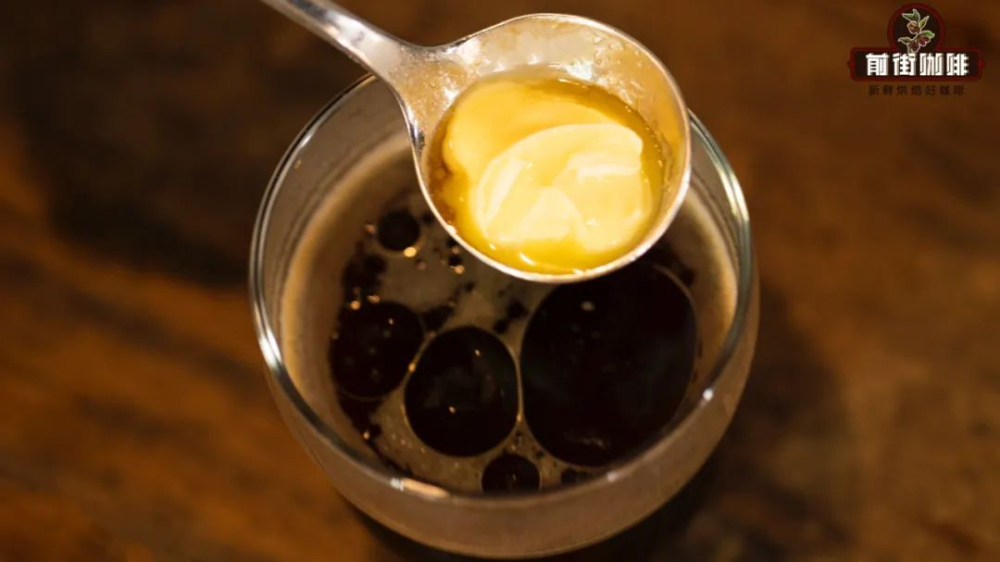
The taste of the final product is noticeably different from regular coffee—not overly greasy. Instead, the richness of the butter and the subtle aroma of coconut oil add layers of flavor. Some first-time tasters describe it as "coffee-flavored cream soup," with a noticeable feeling of fullness that can last for several hours.
Regarding the fat-loss effects of bulletproof coffee, empirical research points out that the key lies in the fats in the formula, not the coffee itself. Even if coffee is replaced with tea, as long as the same proportions of MCTs and butter are consumed, similar effects can theoretically be achieved. However, this means that bulletproof coffee is essentially a "high-fat drink." A regularly prepared cup of bulletproof coffee (containing about 15g of butter and 10ml of coconut oil) may have over 200 calories. Without overall dietary control, relying solely on this drink for fat loss may backfire. Additionally, MCTs and butter may cause discomfort such as diarrhea or bloating in people with sensitive stomachs. It is recommended to start with a small amount on the first try and observe your body’s reaction.
In summary, bulletproof coffee can indeed assist with fat loss under specific circumstances (such as ketogenic diets or intermittent fasting), but it is not a "miracle cure." Before considering incorporating it into your daily diet, readers should fully understand the characteristics of its ingredients and evaluate their own health conditions and dietary habits, avoiding the pursuit of quick results at the expense of balanced nutrition.

The above content is compiled by CoffeeHunters, a coffee news website.


