








Introduction:Cafe Amazon, once Thailand’s “national coffee,” has recently drawn a temporary curtain on its Chinese market presence. From entering Guangxi in 2019 to announcing a scale-back in early 2025, how is this world’s sixth-largest coffee chain pivoting strategically amid price wars and cross-industry competition? This article takes an in-depth look at its three-year development trajectory in China, its parent company’s strategic shift toward Southeast Asia, and offers practical insights for brand survival in today’s competitive coffee landscape.
Once regarded as the “Starbucks of Thailand,” Cafe Amazon recently announced via official channels that it will temporarily exit the Chinese market on January 27. The news was met with regret from many coffee enthusiasts familiar with a brand that combined Starbucks-level quality with Luckin Coffee-like pricing. Founded in 2002 by Thailand’s state-owned petroleum retailer, PTT Oil Retail Business Company Limited (abbreviated as OR), the brand was originally created to enhance the appeal of gas station services. It has since expanded to over 4,500 outlets across 11 Asian markets and firmly holds the sixth spot among global coffee chains.
Cafe Amazon officially entered the Chinese market in 2019 when Sinopec Guangxi Petroleum Branch partnered with Thai oil company to open its first outlet at Nanning Zhuxi Gas Station. However, its stores have been primarily concentrated in Guangxi. More than three years later, even though some consumers encountered the brand at highway service areas, brand awareness remained limited.
Some netizens expressed difficulty accepting the swift exit of a coffee brand that “combined Starbucks-quality flavor with Luckin’s affordability,” noting that it would become harder to enjoy familiar Cafe Amazon coffee at gas stations or highway rest stops. Observers also pointed out signs of the brand scaling back in recent months, with many attributing its departure to the current wave of “9.9 RMB price wars” sweeping China’s coffee scene—even with discounts, Cafe Amazon’s pricing still lacked strong competitiveness.
In fact, competition in the coffee sector has intensified in recent years. Not only have leading brands frequently launched collaboration campaigns, but cross-industry players such as tea and juice brands have also joined the fray, giving rise to innovative categories like fruit coffee and tea-infused coffee. To attract more consumers, many affordable chains have begun venturing into the specialty coffee space. For instance, Luckin Coffee, which introduced a “Global Coffee Bean Quest” initiative, has not only expanded its bean offerings but also brought pour over coffee prices within the reach of the general public.
Regarding its exit, Cafe Amazon’s parent company OR stated that the competitive environment in the Chinese market is too intense, making it difficult to achieve the expected advantages in the short term. As a result, the company has decided to redirect resources and investments toward other Southeast Asian markets. In 2023, OR announced a USD 900 million investment focused on Cambodia, Laos, and Vietnam. Currently, Cafe Amazon has successfully opened around 230 outlets in Cambodia, demonstrating the brand’s growth potential in other parts of Southeast Asia.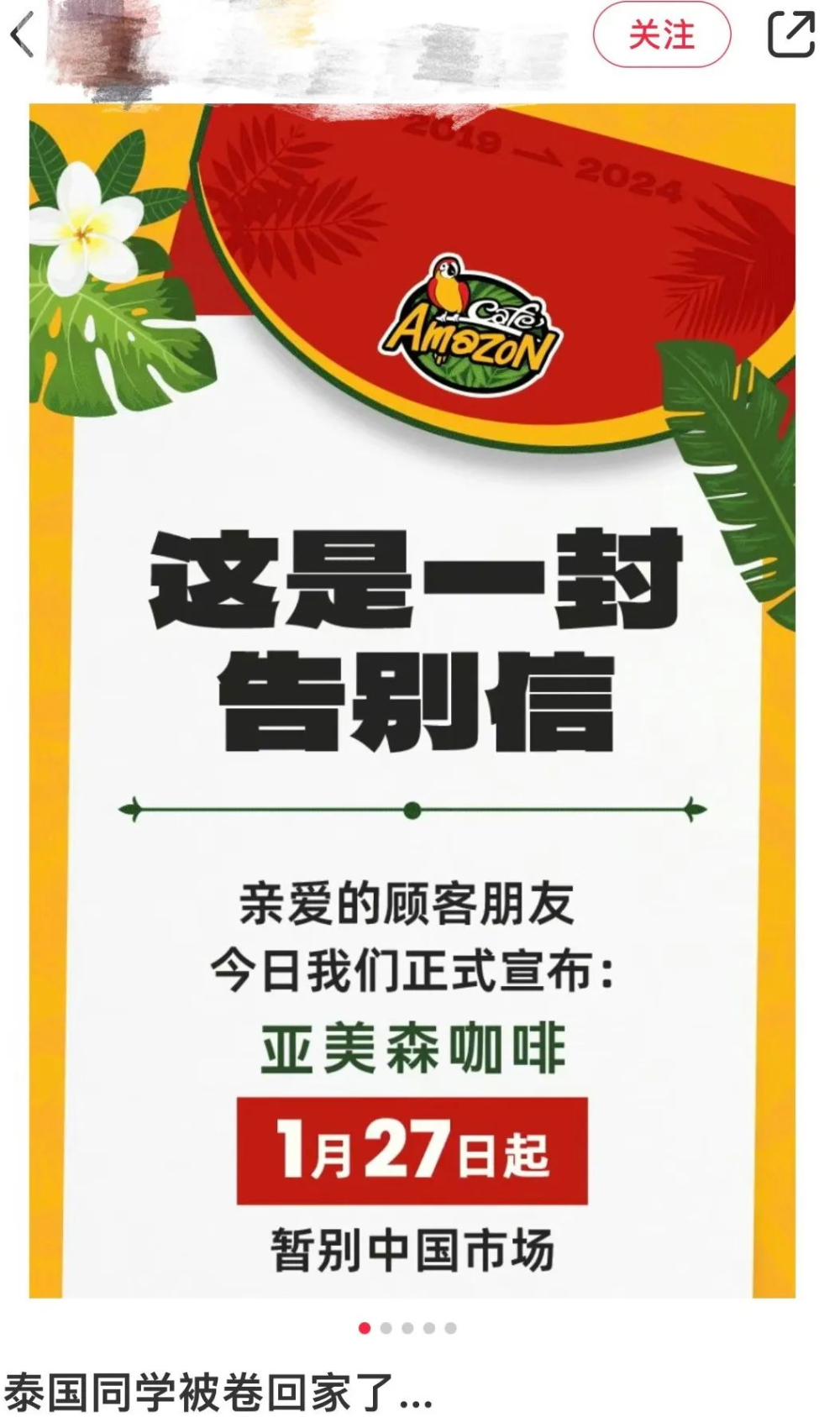
Overall, the current focus of competition in China’s coffee market lies in high cost-performance, pricing strategy, and penetration into lower-tier markets. Cafe Amazon’s exit not only reflects the brand’s own strategic adjustments but also highlights the fierceness of market competition and the diversification of consumer demands. For coffee brands aiming to hold their ground in this continuously escalating battle, it is essential not only to respond flexibly to price wars but also to continuously optimize product innovation, quality control, and market positioning in order to carve out space for survival and growth amid fierce rivalry.
For consumers, this wave of market change also serves as a reminder that when choosing a coffee brand, factors beyond price and convenience—such as a brand’s ability to consistently deliver stable quality and a unique experience—will be key determinants of future success. For the industry, maintaining profitability and brand value in the face of the high cost-performance trend remains a challenge every brand must confront.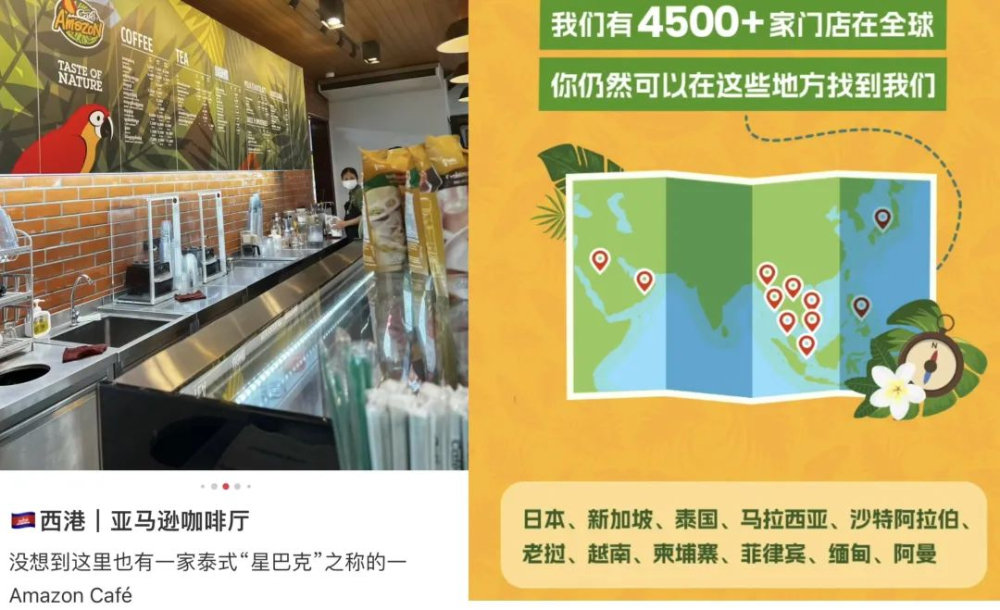
The above content is compiled by CoffeeHunters, a coffee news website.


