








Introduction:The formation of coffee flavors stems not only from origin and variety, but processing methods are the key. Traditional methods such as natural, washed, and honey processing are all closely related to fermentation. Understanding the fermentation principles behind different processing methods can help you more precisely grasp the flavor profile of coffee. This article delves into how fermentation shapes the layers of coffee flavor, taking you through the science behind common processing methods.
Many people assume that only special processing methods like anaerobic fermentation involve fermentation, but in fact, common techniques such as natural, washed, and honey processing also rely on fermentation to develop the unique flavors of coffee. Fermentation refers to the process by which microorganisms break down sugars and release heat and various compounds, either in the presence or absence of oxygen. Since coffee cherries naturally contain high moisture and natural sugars, fermentation quietly begins the moment they are harvested. Regardless of the processing method used, the duration and intensity of fermentation directly affect the final aroma, acidity, and overall taste profile of the coffee.

Among the many coffee processing techniques, anaerobic fermentation-based methods—such as anaerobic fermentation, carbonic maceration, and enzyme washing—have frequently become topics of discussion in recent years. These processing methods impart distinctive fermented aromas to the coffee; some are drawn to them, while others are less impressed, but this often simply comes down to personal taste preferences. However, fermentation is not exclusive to anaerobic processing—traditional processes such as washed, natural, and honey processing also require fermentation to enhance the depth and complexity of flavors. (To be clear, the fermentation mentioned here is not the everyday concept of fermentation that comes to mind!)
So, what exactly is fermentation? From a chemical perspective, fermentation is a biochemical process in which microorganisms carry out metabolic activities under aerobic or anaerobic conditions, thereby generating new substances. Generally speaking, the raw materials for fermentation are primarily sugars. Once the reaction begins, microorganisms continuously release heat and convert sugars into various compounds such as alcohol and carbon dioxide.
In simple terms, as long as sugar and moisture coexist in an environment, fermentation can naturally occur. And coffee cherries happen to possess both abundant moisture and sugars, so the internal fermentation process begins the moment they are picked.

Depending on the design of the processing method, coffee cherries will undergo different types of fermentation after harvest, which can mainly be divided into two categories: aerobic fermentation and anaerobic fermentation.
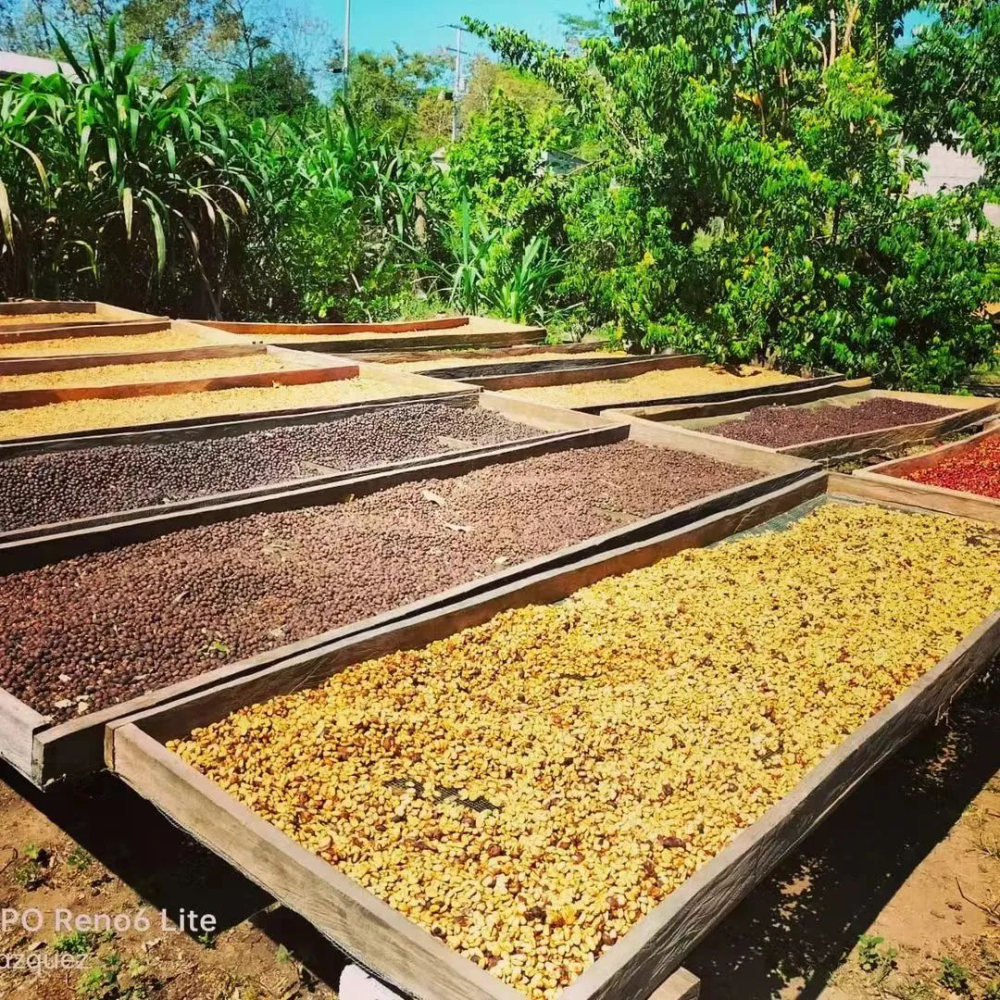
Aerobic fermentation, as the name suggests, refers to the fermentation reaction that takes place in an oxygen-rich environment. Processes such as natural and honey processing typically allow the coffee cherries or parchment beans to be in prolonged contact with air, thus falling under the typical category of aerobic fermentation.
As for anaerobic fermentation, it involves placing the coffee beans in a sealed container filled with liquid, allowing microorganisms to metabolize and release compounds under oxygen-deprived conditions. Another approach is to place the beans in a sealed tank and remove oxygen via vacuuming to create an anaerobic environment for fermentation. However, such processes require strict monitoring of various fermentation parameters—such as temperature, time, and pH—to prevent over-fermentation, which could negatively impact the final quality of the coffee.
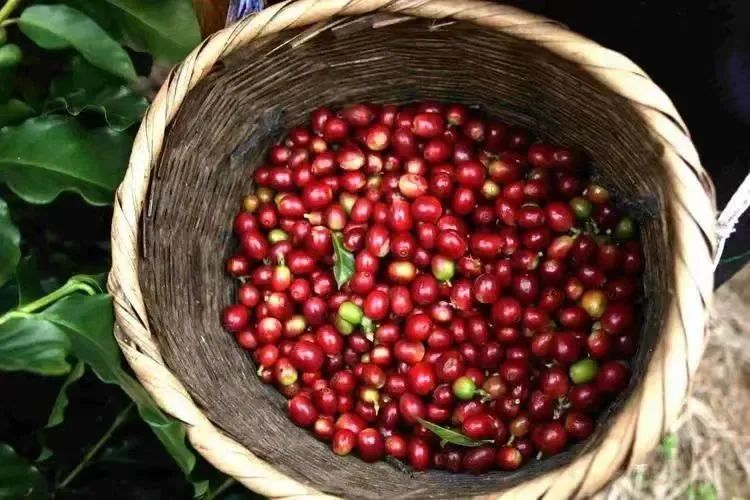
The impact of fermentation on coffee can be said to be all-encompassing—it is an extremely delicate and complex process. Different processing methods paired with varying fermentation durations and intensities can not only bring out the multi-layered flavors of coffee but also shape its unique character. When fermentation conditions are well controlled, they can significantly enhance the overall quality of the coffee, allowing it to exhibit richer aromas and more nuanced taste profiles. But if fermentation conditions are imbalanced—whether under-fermented or over-fermented—it may lead to irreversible negative effects, such as moldy notes, overripe fruit flavors, or chemical-like off-flavors.
The length and intensity of fermentation often determine the final flavor direction of the coffee. For example, methods such as natural and honey processing, which involve longer fermentation periods, tend to bring out intense, complex flavors reminiscent of dried fruits, preserves, or even fruit wine, resulting in a rich and layered overall profile. In contrast, washed processing is a method with shorter fermentation times and lower intensity, usually yielding bright acidity and a clean, refreshing taste. Because the fermentation process is more uniform and easier to control, undesirable or off flavors are less likely to occur, making it suitable for consumers who prefer a clear and defined flavor profile.
The above content is compiled by CoffeeHunters, a coffee news website.


