







Introduction:On the eve of Chinese New Year, Luckin Coffee faced consumer scrutiny over discrepancies between promotional images and actual products of its persimmon daifuku, raising questions about brand responsibility and marketing ethics. This article delves into the approval process flaws behind the incident, influencer traffic-driving tactics, and offers practical advice for identifying accurate product information to help readers avoid similar consumer pitfalls.
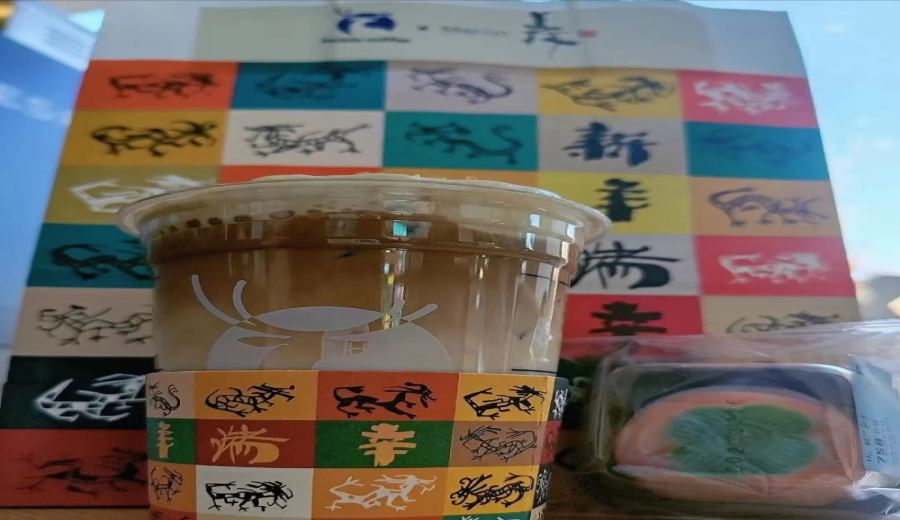
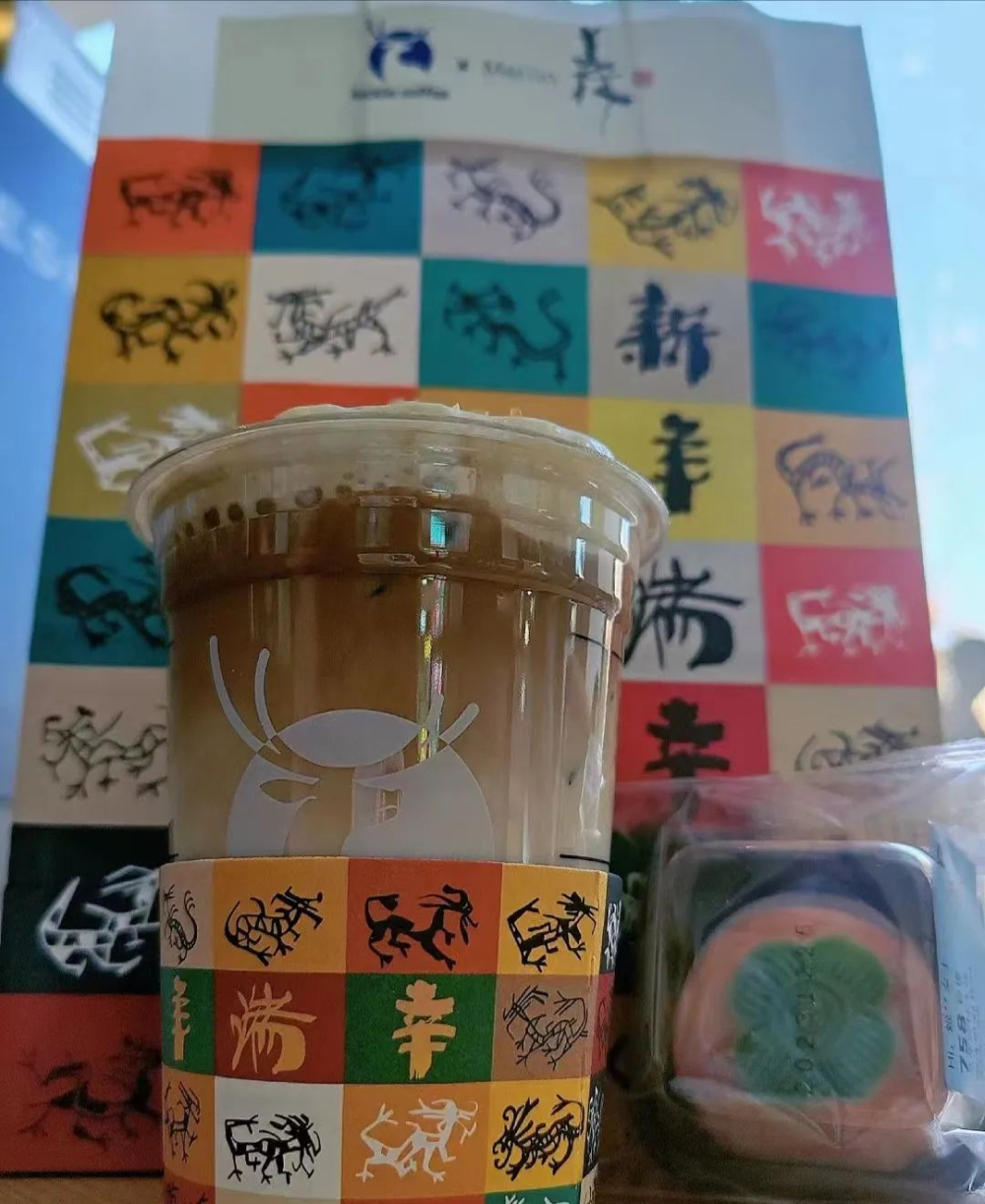
With the Lunar New Year approaching, chain coffee brands are competing to attract customers with festive limited-edition offerings. Following its collaboration with Moutai on sauce-flavored chocolate, Luckin Coffee teamed up with artist Han Meilin to launch a Lunar New Year Red Dragon Latte paired with a persimmon daifuku dessert. However, this dessert, initially hailed as a highlight of the festive season, became a focal point of consumer controversy due to the gap between group-buying advertisements and the actual product.
Some consumers reported on social media platforms that the promotional images of the persimmon daifuku seen through group-buying links depicted a plump and rounded product with a rich persimmon jam filling, but the actual items received were noticeably smaller in size, with an extremely mild cream flavor that barely resembled persimmon. This double whammy of visual and taste discrepancy left many customers disappointed, with online comments flooding in such as “the difference between the product and the image is too big” and “once again fooled by Luckin’s appearance.”
In response to the controversy, online public opinion is divided. Some consumers argue that Luckin, as the brand, should take responsibility for reviewing the content of group-buying advertisements to ensure that promotional images accurately reflect the product. They pointed out that if the brand fails to enforce strict oversight, it risks eroding consumer trust and, in the long run, damaging its reputation.
However, others believe the root of the problem may lie with certain group-buying influencers who use non-product-related high-quality images or videos to boost click-through rates and commission earnings. These influencers might repurpose materials from other brands’ desserts or overly edit and beautify the product’s appearance, leading consumers to form unrealistic expectations.
Digging deeper into the incident, regardless of whether the responsibility lies with the brand or third-party promoters, the key issue is the authenticity of advertising materials. Using images of non-actual products for promotion constitutes a form of false marketing. If consumers purchase based on misleading ad images and ultimately receive something different from what they expected, it not only ruins the shopping experience but may also create a negative impression of the brand.
For consumers, when faced with enticing group-buying ads, it is advisable to maintain rational judgment. One can refer to multiple actual consumer feedback and photos to compare the differences between advertised images and real products. Additionally, pay attention to the review systems and return/exchange policies of group-buying platforms to mitigate purchasing risks.
This incident also serves as a reminder to the industry that both brands and collaborating promoters should establish stricter content review mechanisms to ensure advertising authenticity, protect consumer rights, and safeguard the brand’s long-term market credibility.
The above content is compiled by CoffeeHunters, a coffee news website.


