








Introduction:After drinking a shot of espresso or an Americano, have you ever noticed tiny black particles at the bottom of your cup? These are actually extremely fine coffee grounds produced during the extraction process. This article delves into the sources of these fine particles, including factors such as grind size, portafilter basket filter holes, and equipment cleanliness, and provides four practical solutions to help reduce sediment at the bottom of your cup and enhance your coffee drinking experience.
After tasting a freshly extracted espresso or a coffee beverage made by adding water or milk, many consumers notice some fine black particles settled at the bottom of their cups. What exactly are these particles? Why are they less common in iced coffee? Drawing from real-world industry practices, this article analyzes the causes of these bottom sediments in depth and shares four effective methods to improve the situation.
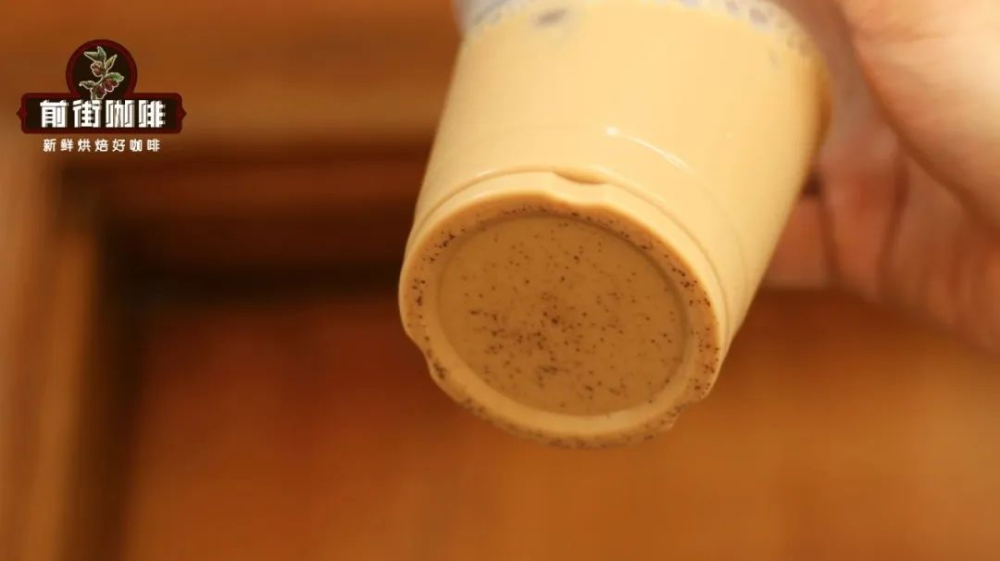
First, we need to understand: these tiny black particles that appear at the bottom of the cup are usually extremely fine coffee grounds that were not fully filtered out during espresso extraction. Their presence is similar to the okara left at the bottom of settled soy milk or the pulp sediment in freshly squeezed juice—natural byproducts of the extraction process.
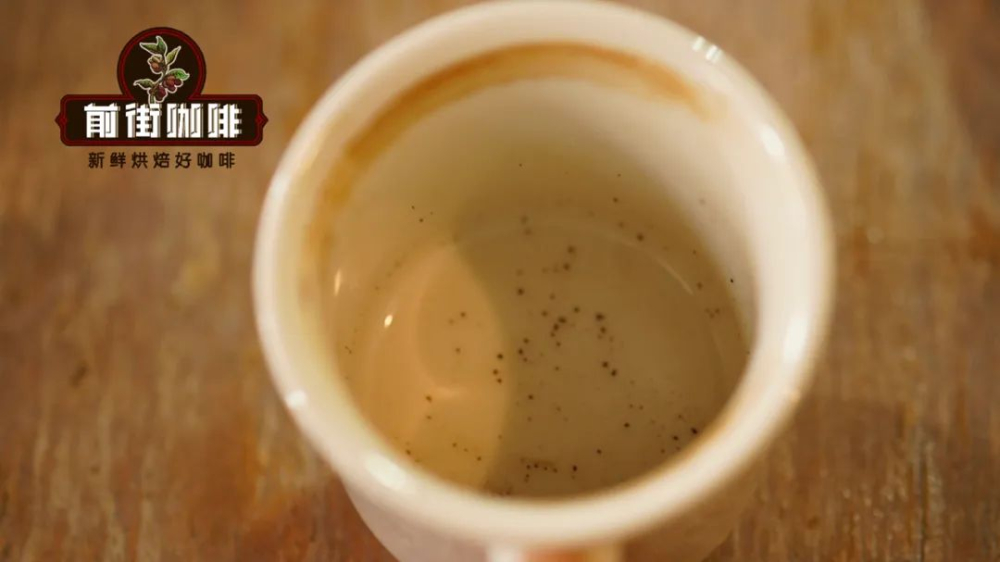
Generally speaking, if only a small amount of very fine powder is occasionally visible, it won’t significantly affect the overall flavor of the coffee, especially when making milk-based drinks like lattes or cappuccinos, where these fine particles are even harder to detect. However, when the amount of fine powder is large enough to be clearly seen by the naked eye, it likely indicates an abnormality in some part of the extraction process that needs further investigation.
So, where do these fine particles come from? The key lies in two aspects: grinding and filtration. Espresso coffee grounds are typically ground to a fineness close to that of fine sand, with particle sizes ranging between 200 to 300 micrometers. But during the actual grinding process, due to the compression and friction on the coffee beans, finer particles smaller than the target size are inevitably produced. These fine particles tend to adhere to other coffee grounds due to static electricity, and even high-quality commercial grinders can’t completely eliminate them.
In addition, the portafilter baskets used for espresso are filled with numerous tiny holes that serve as filtering media, determining which particles can pass through and which will remain in the basket. If you hold the basket up to a light source, those translucent tiny holes are the filtration pores. When hot water under high pressure passes through the coffee bed, particles smaller than these holes will be carried along with the water flow and eventually end up in the cup. These extremely fine particles usually don’t settle immediately but gradually deposit at the bottom of the cup after a few minutes of stillness.
As for why fine particles at the bottom are more visible in hot Americanos than in iced ones, this has to do with cup shape and drinking method. Take the common white ceramic cup for hot drinks, for example—customers often drink from the top down, making it easier to notice any sediment at the bottom. In contrast, iced Americanos are usually served in transparent tall glasses with straws used to drink from the bottom up, and the presence of ice cubes also makes the sediment less noticeable.
Of course, besides grinding and basket factors, the cleanliness of the equipment is another commonly overlooked aspect. For instance, if the portafilter locking collar isn’t thoroughly cleaned, residual old coffee grounds may mix into the next extraction, causing an abnormal increase in fine particles. Therefore, maintaining clean equipment is fundamental to reducing fine particles.
Here are four proven methods to address these fine particle issues:
1. Regularly clean the portafilter and group head
This is the most basic maintenance step. After each extraction, it’s recommended to promptly clean the inside of the group head and portafilter to prevent residual coffee grounds from contaminating the next cup. Keeping the equipment clean not only reduces fine particles but also helps maintain stable extraction quality.
2. Check the condition of the portafilter basket holes
After prolonged use under high temperature and high pressure, the filter holes in the portafilter basket may slightly deform, especially after 1 to 2 years of heavy use. You can simply hold the basket up to a light source—if you notice that some holes are noticeably larger than others, it might be time to replace the basket to ensure proper filtration.
3. Consider upgrading your grinder
If the above two steps still don’t significantly improve the fine particle issue, then the performance of your grinder may be the key. A high-quality grinder that grinds uniformly and produces a low percentage of fine particles can not only reduce fine particle generation but also improve the overall stability and consistency of extraction.
4. Use a round paper filter for auxiliary filtration
Another viable method is to place a round paper filter inside the portafilter basket before adding the coffee grounds. This method can effectively block most solid particles and oils, thereby reducing the sediment of fine particles at the bottom of the cup. However, it’s important to note that using a paper filter can alter the extraction flow rate and flavor profile, so it’s recommended to readjust the grind size and dose parameters to maintain an ideal extraction balance.
Some operators have actually tested this method and confirmed that it does significantly reduce the amount of fine particles left at the bottom of the cup, but they also observed faster extraction speeds and changes in the flavor profile. Therefore, if using a paper filter, be sure to re-optimize the extraction parameters accordingly to ensure the flavor remains unaffected.
The above content is compiled by CoffeeHunters, a coffee news website.


