







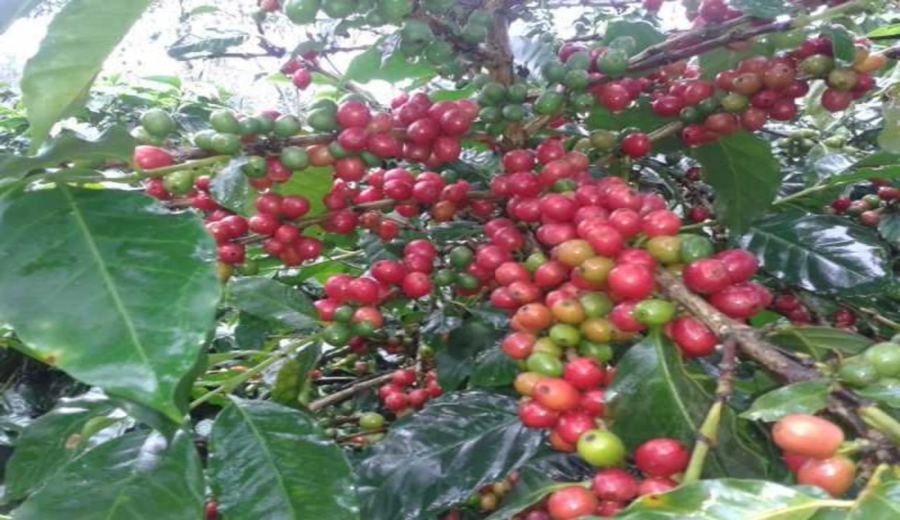
Introduction:This article provides an in-depth analysis of Caturra and its major derivative varieties, including Catimor, Catuai, Costa Rica 95, Lempira, and Catisic. It details their genetic lineage, yield performance, disease resistance, suitable altitude ranges, and other key information. By incorporating real-world cultivation and processing examples, it enables coffee enthusiasts and growers to gain a more comprehensive understanding of the characteristics and potential of these important varieties.
Caturra is a well-known natural mutation of the Arabica coffee variety Bourbon. Due to a single gene mutation, it exhibits a significantly shorter plant height — the name originates from the Guaraní language spoken by South American indigenous peoples, meaning “small.” This trait makes Caturra easier to harvest and manage, and it has gradually become one of the main planted varieties in many coffee-growing regions. Over time, through repeated transplantation, mutations, and artificial hybridization, Caturra has further evolved into several descendant varieties with special adaptability and economic value, such as Catimor, Catuai, Costa Rica 95, Lempira, and Catisic. These varieties are now widely cultivated in many of the world’s major coffee-producing countries.
Among them, Catimor (strain code T8667) is one of the most representative derivative varieties. It is a first-generation F1 hybrid offspring of the Timor Hybrid and Caturra. It should be noted that T8667 is not a single stable variety, but rather a group of strains with similar genetic backgrounds that require continuous selection and breeding to further stabilize. The most notable advantages of Catimor are its high yield, excellent resistance to coffee leaf rust, and ability to thrive at relatively low altitudes, which significantly expands its planting range. However, this strain also has some limitations, such as being susceptible to certain diseases like coffee berry disease (a phenotypic manifestation of Coffee Leaf Rust). Currently, Catimor is widely cultivated in countries such as Costa Rica, Honduras, El Salvador, and even Yunnan, China, serving as an important choice for boosting productivity and disease resistance in many regions.
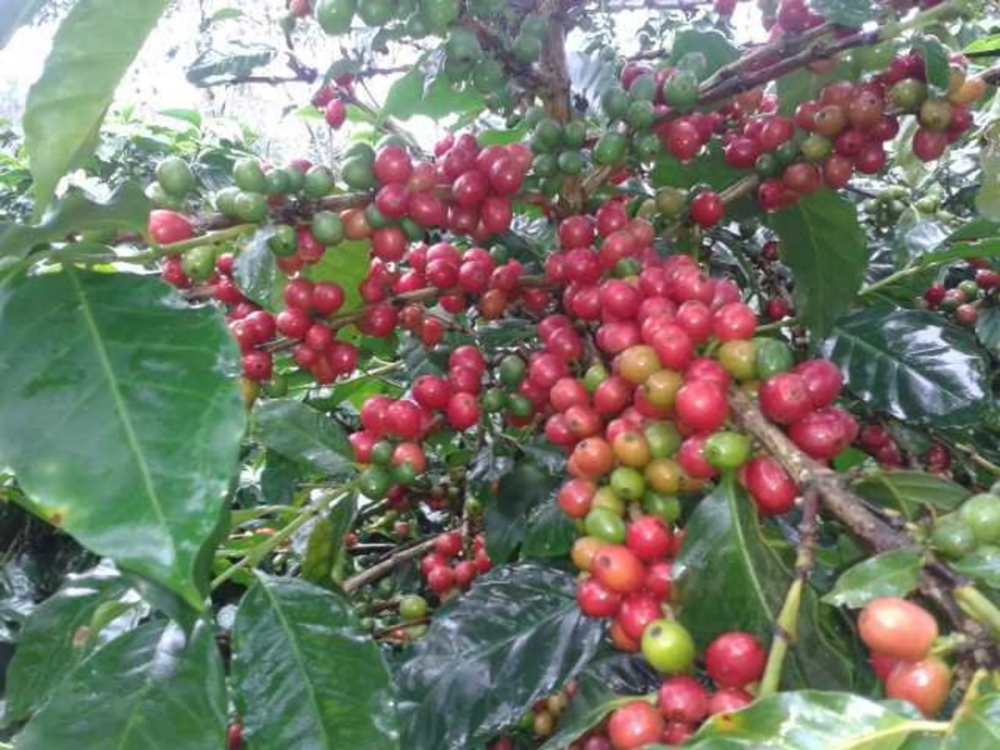
Another widely known variety is Catuai, successfully bred by the Agricultural Research Institute of Campinas, São Paulo State (IAC) in Brazil. Its parentage includes the high-yielding New World variety and Caturra. Like Caturra, Catuai also features a compact plant structure suitable for high-density planting, although its optimal planting density is slightly lower than that of Caturra. This variety combines stable yields with relatively good manageability, making it widely grown in major coffee-producing countries such as Brazil, Honduras, and Guatemala, and becoming an important item for stable supply in many regions.
In addition to the two main lineages mentioned above, Costa Rica 95, Lempira, and Catisic are all locally stabilized varieties further selected from T8667 (i.e., the Catimor strain group). Among them, Costa Rica 95, bred by CATIE (Centro Agronómico Tropical de Investigación y Enseñanza) in Costa Rica, is primarily characterized by its high yield and adaptability to low-altitude, acidic, and aluminum-rich soil conditions. However, it is worth noting that it is more susceptible to coffee leaf rust and coffee berry disease, so enhanced disease management is required during cultivation.
Lempira is a variety selected and named by IHCAFE (Instituto Hondureño del Café) in Honduras. Its overall characteristics are similar to those of Costa Rica 95, also offering high yield potential and adaptability to specific soil types, and is a common planting choice for most small and medium-sized farms in Honduras. As for Catisic, it is a variety successfully bred by official institutions in El Salvador. In addition to sharing similar yield and soil adaptability traits with the aforementioned two, it also possesses a certain level of coffee leaf rust resistance, giving it an advantage in regions prone to disease outbreaks.
In practice, many coffee farms and processing facilities also choose the most suitable Caturra-derived variety based on local microclimates and soil conditions, and pair it with specific post-harvest processing methods to enhance flavor profiles. For example, the Rose Valley coffee beans from Finca El Granero in Santander, Colombia, serve as a highly representative case. These beans are processed using an anaerobic washed method, which not only preserves the bright acidity and layered complexity typical of Caturra-lineage varieties, but also imparts unique aromatic layers through a specialized fermentation process. According to actual pour over brewing tests, using a V60 filter cone with a 1:15 coffee-to-water ratio can bring out distinct rose floral notes, along with a complex flavor profile on the palate featuring peach, cranberry, and liquor chocolate. The cup is smooth and has a long-lasting aftertaste, making it highly suitable for coffee lovers who enjoy a balanced combination of fruity aroma and sweetness.
The above content is compiled by CoffeeHunters, a coffee news website.


