








Introduction:Originally investing 2 million RMB in renovation and choosing a prime location to open a 120-square-meter café, the owner was met with a staggering monthly loss of 40,000 RMB. Through an online poll seeking solutions, 80% of netizens advised cutting losses early—but he chose to hold on for another four months to adjust his strategy. This article dissects the background of his high initial investment, the mixed reactions from netizens, and provides actionable turnaround strategies for small and medium-sized coffee shop operators, covering product mix, business hours, atmosphere creation, and more.
The coffee market is fiercely competitive, with new entrepreneurs flocking in, yet many also exit in disappointment. One such owner, who poured nearly 2 million RMB into opening an independent café, recently found himself losing up to 40,000 RMB per month. With a heavy heart, he launched an online community vote asking whether he should continue operating. Facing high transfer fees, monthly rent of 50,000 RMB (two months' deposit and one month's rent), and daily operational expenses, the overwhelming majority of netizens urged him to cut his losses decisively.
The owner admitted that with financial support from shareholder friends, he expanded the renovation last October, creating a 120-square-meter space. The transfer fee alone cost 600,000 RMB, and when adding three months of preparation and rent, the total investment approached 2 million RMB. He had originally been optimistic about the café’s prime location—known for strong consumer spending power—and had planned a café-by-day, bar-by-night hybrid model. However, just three months later, he found himself in dire straits—each additional day of operation meant taking on more losses.
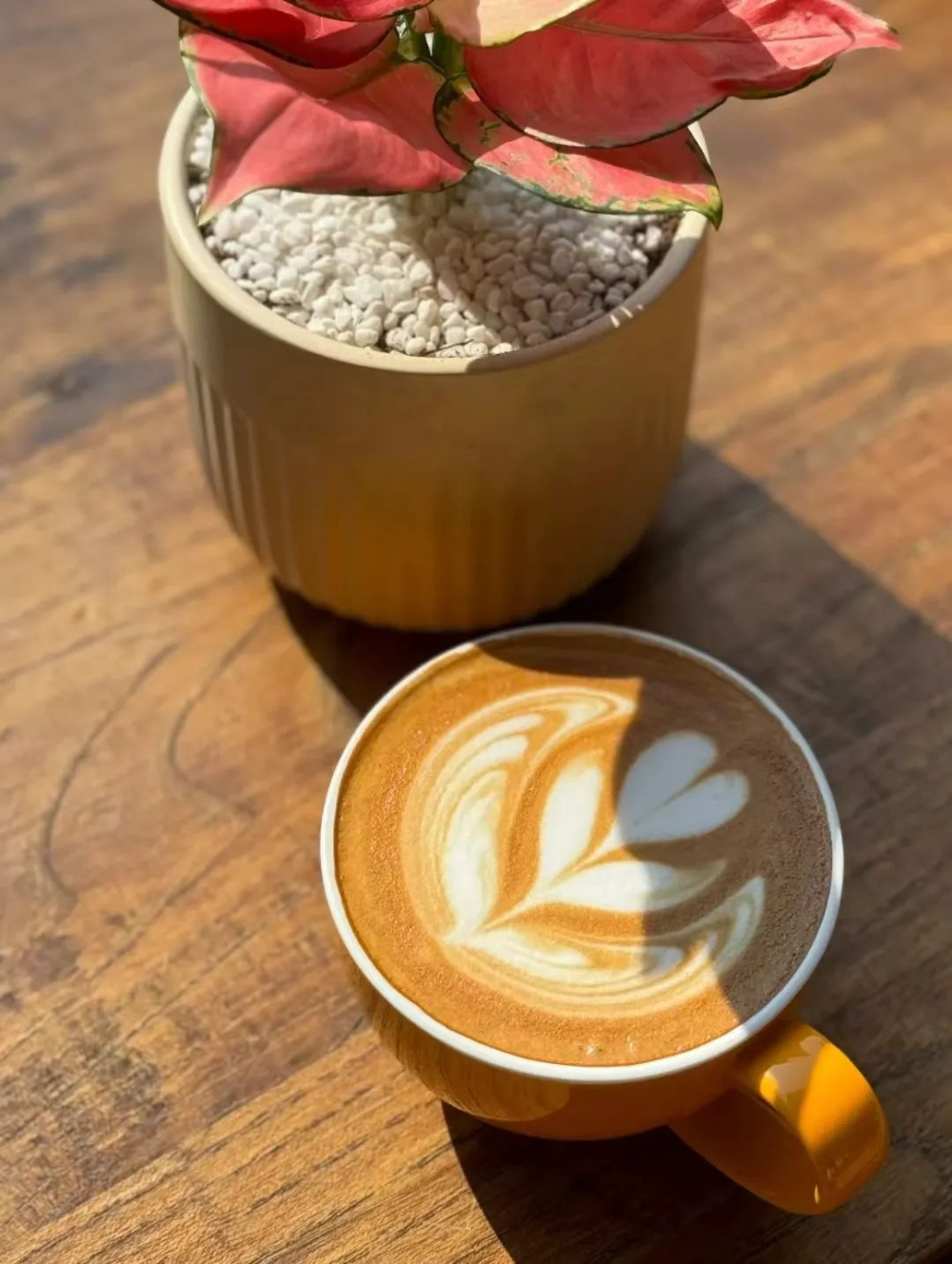
"If I could do it all over again, I would never start this business lightly!" he said with a wry smile. Before opening, his personal assets amounted to 3 million RMB, but now he’s saddled with 2 million RMB in debt. His words reflect the plight of many small and medium-sized café owners: the tug-of-war between high initial investment and ongoing losses.
Looking at the broader industry picture, since last summer, terms like "closure," "transfer," and "loss" have become inescapable buzzwords for F&B entrepreneurs. On one hand, chain brands are accelerating expansion, and cross-industry players are jumping in, leading to a surge in café density. On the other hand, coffee prices continue to be driven down internally, even hitting single-digit figures, squeezing profit margins. With general consumer spending power declining and affordable coffee flooding the market, business models that rely solely on ambiance to attract customers are becoming increasingly difficult to sustain.
In the online poll asking whether to "persevere or give up," over 80% of netizens advised stopping the bleeding immediately, arguing that instead of hoping for miraculous returns from coffee sales, it’s better to preserve strength and seek other opportunities. Some comments bluntly stated: "Where there’s life, there’s hope."
However, a minority of netizens encouraged the owner to keep going, optimistically predicting that "after the holidays, industries will recover and coffee demand will rebound" or that "perseverance might lead to a turnaround." More rational voices pointed out that the key isn’t the outcome of the online poll, but whether the owner honestly assesses the business situation—including the main causes of losses, the potential for turning things around, and how to adjust details like location evaluation, target customer positioning, and product pricing strategies to reverse the trend.
Considering the huge upfront costs, the owner ultimately decided to give himself another four months: "If there’s still no improvement by then, I’ll shut down and pivot." Discussing his specific survival plan, he revealed he’s expanding the product line by introducing coffee and light meal combos and extending business hours to include breakfast, aiming to boost average spending and table turnover through longer operating hours. He also plans to create an indoor themed space in the future, decorating it with trendy items and crafting a unique ambiance to attract specific customer groups.
For aspiring or current entrepreneurs in the coffee industry, this case offers profound insights: beyond capital preparation, it’s essential to meticulously calculate cost structures, stay attuned to market trends, and flexibly adjust business strategies. Investment always carries risk—the key to long-term success lies in carefully evaluating every step.
(Image placeholder: Current café interior or before-and-after comparison visuals)
The above content is compiled by CoffeeHunters, a coffee news website.


