








Introduction:Have you ever wondered why ordering a single origin espresso (SOE) at a café often costs a few yuan more than a regular blended espresso? This article takes an in-depth look at the pricing logic behind SOEs — from bean variety selection, roasting methods, cost structure, to key extraction techniques — to help you understand how single-origin coffee beans showcase their unique flavors and why they hold a distinctive place in specialty coffee. By the end, you’ll have a clearer idea of how to choose coffee beans that suit your taste.
Walk into a café and order a single origin espresso (SOE), and you’ll often find it priced a few yuan higher than a typical espresso blend. This price difference isn’t just a marketing tactic — it stems from multiple factors including raw materials, roasting, and extraction. SOEs emphasize the characteristics of beans from a single origin, forming a clear contrast with traditional blends that aim for stable balance, and also reflect consumers’ higher expectations for flavor complexity and individuality.
In the early days, espresso was mostly made using beans from a single origin, such as those from Brazil or Yemen’s Mocha. This was the norm back then, so there was rarely any special labeling. However, as global coffee demand grew, disparities began to emerge across different producing regions in terms of quality, yield, and flavor stability. To reduce extraction risks and maintain consistent taste, many cafés turned to multi-origin blends, leveraging the complementary traits of different beans to compensate for the shortcomings of any single batch.

Especially under dark roasting, regardless of a bean’s original acidity or defects, these can be greatly muted, while rich notes of caramel, dark chocolate, nuts, and cream are brought out, along with a thick crema (coffee foam). This approach allows cafés to flexibly adjust their recipes in response to varying harvest seasons or quality fluctuations, ensuring each cup maintains a certain standard and flavor profile.
It wasn’t until the 1980s, with the rise of the specialty coffee movement, that the coffee industry began to focus on origin, processing methods, and flavor individuality. Roasters gradually adjusted their strategies by applying lighter roasts to some beans to highlight their regional characteristics, including distinct flavor notes such as floral, citrus, and tropical fruits. Initially, these single-origin beans were mainly used in filter brewing methods like pour over, siphon, or French press, rather than in espresso.
The turning point came at the 2007 World Barista Championship (WBC), where competitor James Hoffmann made espresso using a single-origin bean for the first time — and won the championship with it. This reignited the industry’s interest in SOEs. Since then, SOEs have gradually become part of the specialty coffee scene, emphasizing the terroir characteristics of the beans themselves, rather than simply pursuing boldness and balance.
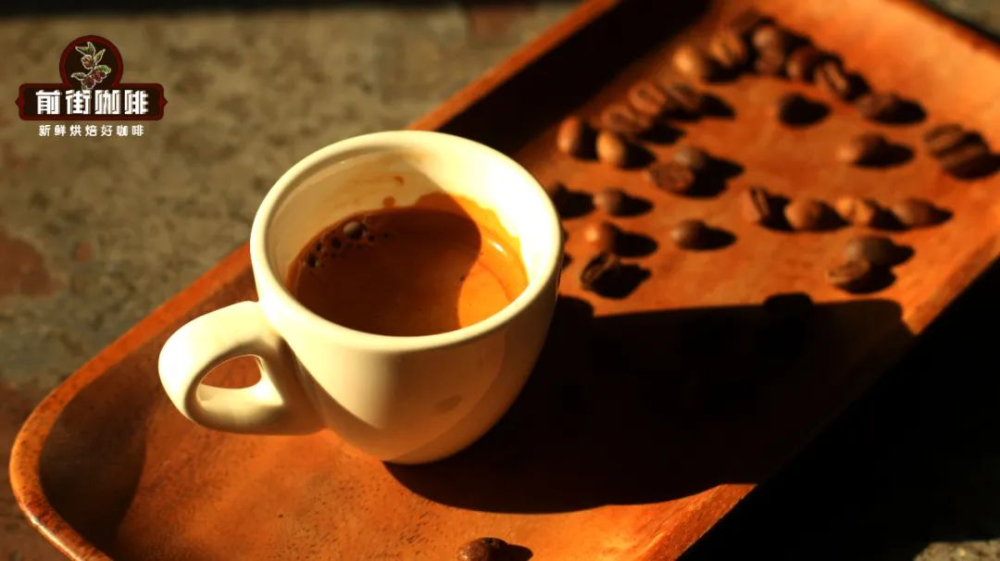
Compared to the dark roasts typically used in traditional blends, SOEs are usually roasted to medium-light to medium levels, preserving the beans’ original fruity acidity and aromatic traits. For instance, Ethiopian beans often exhibit notes of lemon and floral tones, Costa Rican beans offer raisin-like honey sweetness, and Kenyan beans bring out unique hints of tomato and berries. These flavor profiles are rich and distinctive, but they also mean higher raw material costs — which is why consumers often have to pay a slightly higher price when enjoying them.
However, some industry players point out that the core spirit of SOEs lies in “showcasing the bean’s personality,” and not as a benchmark for evaluating the quality of blends. Blended coffees emphasize overall flavor balance and stability, making them ideal for consumers who enjoy strong cocoa or chocolate notes; whereas SOEs tend to present bright fruit acidity and complex aromas, appealing more to drinkers who seek refined flavors and terroir expressions.
It’s important to note that not all espressos labeled as “SOE” will deliver outstanding flavor. A successful SOE depends not only on high-quality single-origin beans, but also crucially on roasting and extraction techniques. Over-roasting can easily lead to bitterness and loss of aroma; under-roasting may result in overly sharp acidity, lack of body, or even sour or watery tastes during extraction, negatively affecting the overall mouthfeel. When used to make drinks like lattes or americano, they may even come across as lacking in “coffee flavor.”
Therefore, both roasters and baristas must adjust the roasting profile and extraction parameters according to the characteristics of the SOE beans — including grind size, water temperature, pressure, and brew ratio — to fully unlock their potential. If any of these elements are off, even premium specialty beans may fail to deliver their intended flavor expression.
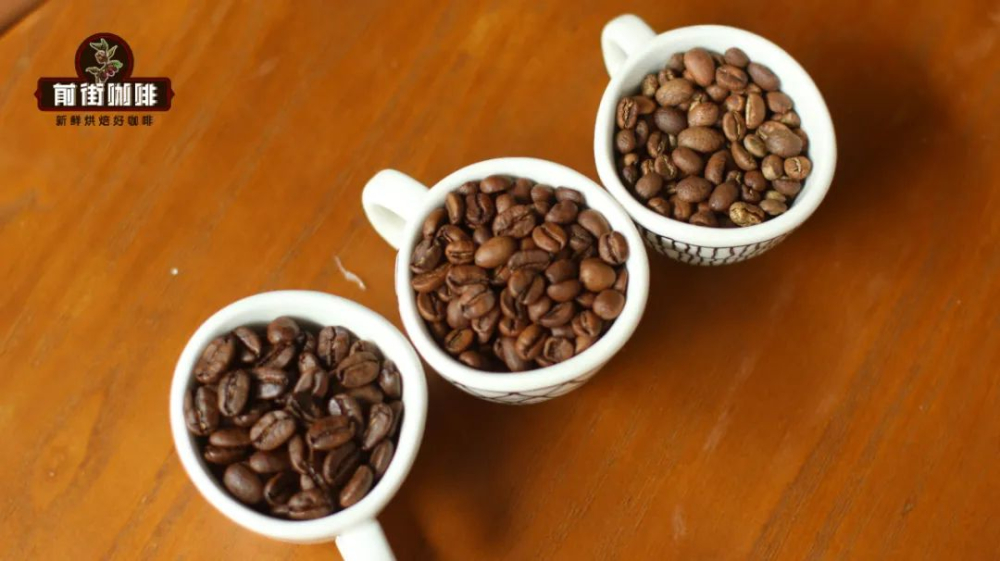
In summary, the higher pricing of SOEs is not solely due to the cost of single-origin beans, but also reflects the multiple challenges of flavor individuality, roasting techniques, and precise extraction. For consumers, understanding these differences helps make more informed choices based on personal taste preferences, while also allowing greater appreciation for the craftsmanship and technical expertise behind a great SOE.
The above content is compiled by CoffeeHunters, a coffee news website.


