







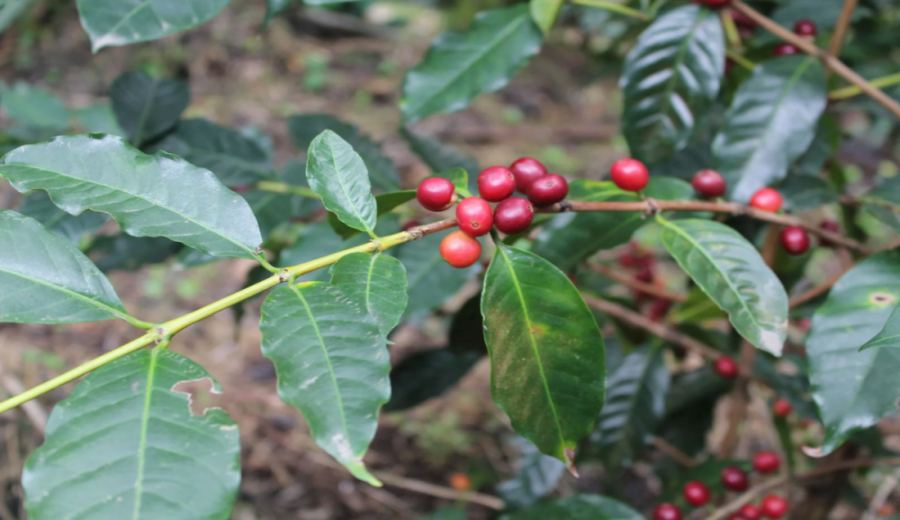
Introduction:As one of the oldest and most influential Arabica varieties, Typica has gradually been replaced due to its low yield and poor disease resistance. However, it has given rise to outstanding descendants such as Caripe, Mundo Novo, and POP3303/21. This article delves into the background, breeding history, and cultivation characteristics of these derivative varieties, and includes an actual tasting of a Panama Typica natural-processed bean, helping you understand their flavor and extraction performance so you can find the coffee beans that suit you best.
Typica is considered the “foundational” representative among Arabica coffee varieties. It not only plays a key role in the genetic lineage of coffee but is also renowned for its elegant and delicate flavor. However, its tall plant stature, limited yield per unit area, and susceptibility to diseases such as leaf rust have led to its gradual decline in prominence under the demands of modern high-yield production. Nevertheless, Typica remains firmly established in certain specific regions, especially in Peru, Jamaica, and the Dominican Republic, where it has given rise to a series of distinctive descendant varieties.
One example is Caripe from Venezuela. In 1958, Gustavo Bonafina Parra, then head of a project under Venezuela’s Ministry of Agriculture and Breeding, noticed during a routine coffee field inspection that some Typica plants exhibited unusually high productivity. To study them further, he initiated a breeding program at several local farms and conducted long-term observation and trial planting of these “anomalous” plants. Eventually, he successfully developed a new variety with higher yield potential—Caripe. Today, this variety has become a representative planting choice in Monagas State in northeastern Venezuela, particularly suitable for small and medium-sized farms seeking stable output without compromising on flavor.
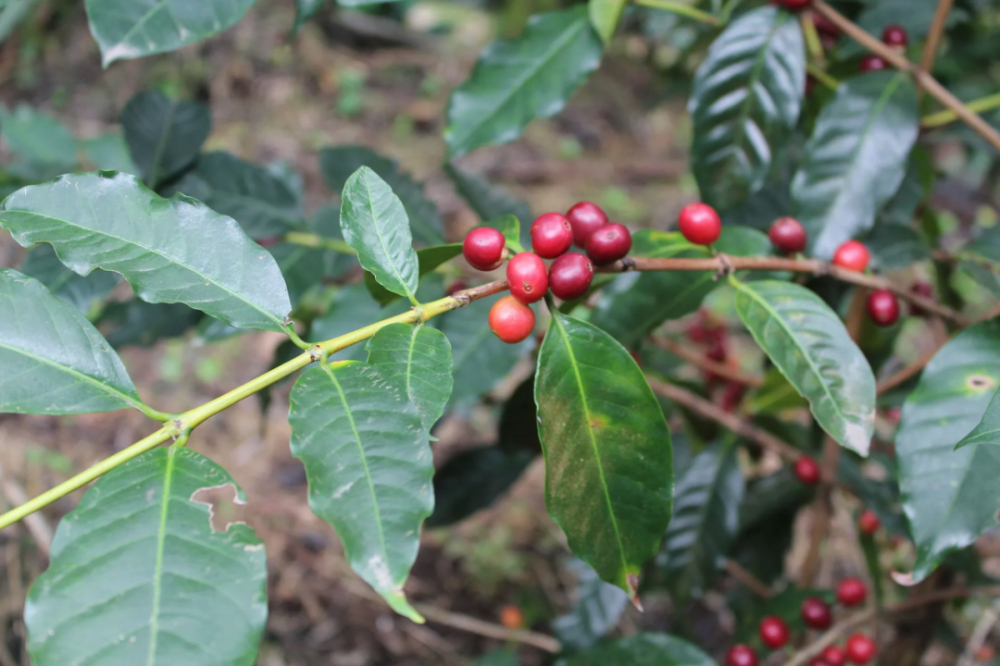
Another well-known descendant of Typica is Mundo Novo. The origin of this variety can be traced back to 1943 in São Paulo State, Brazil, where it was first discovered in the Mineiros do Tietê region as a natural hybrid offspring of Typica and Bourbon. It was named after the New World Market (now called Urupês), where it was initially planted. Mundo Novo is not only vigorous and fast-growing but also delivers relatively strong yields, which is why it has been promoted in Brazil and other South American countries since 1952, and can still be found in places like Peru. However, due to its relatively tall plant height, it is less favored by farms with limited space or Central American growers who prefer dwarf varieties.
As for POP3303/21, it is a rather special case. This variety originated from a variety selection program conducted in 1972 in the Cyangugu region of Rwanda. Records indicate that nearly all the coffee planted in the area at the time was what was called the “Blue Mountain variety” (BMJ), which was actually a Typica descendant introduced from Jamaica. During the investigation, researchers specifically selected several trees that exhibited performance differing from the norm for further breeding and observation. In 2003, the Rwanda Agriculture Board officially certified and promoted POP3303/21, as it not only offered excellent yield but also demonstrated high tolerance to common diseases such as drought, leaf rust, and berry disease, making it one of the important commercial planting choices in the country.
Speaking of actual tasting experience, the recently introduced Panama Elida Estate Typica natural-processed bean is a noteworthy example. Processed using the natural method, this bean showcases intense tropical fruit notes. When brewed using a V60 dripper with a 1:15 coffee-to-water ratio, you can distinctly perceive layers of aroma including peach, raisin, and orange, accompanied by a gentle fermented wine-like scent. The finish carries a refreshing sensation akin to green tea, with sweetness presenting bright tones of cane sugar and caramel. The overall mouthfeel is clean and crisp, making it highly suitable for coffee enthusiasts who enjoy a balanced profile of fruity aroma and sweetness.
In summary, although Typica and its descendant varieties no longer dominate modern coffee production, their value in terms of flavor expression, adaptability, and genetic diversity remains undeniable. Whether you are a coffee enthusiast focused on the nuances of pour over brewing or an amateur interested in the evolution of coffee varieties, gaining a deeper understanding of the history and characteristics of these classic lineages can help you make more precise choices when selecting coffee beans.
The above content is compiled by CoffeeHunters, a coffee news website.


