







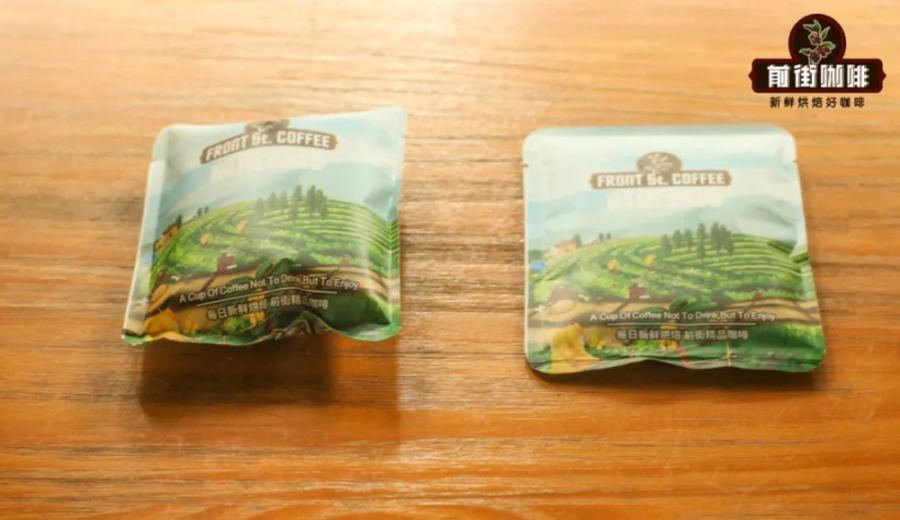
Introduction:Have you ever encountered a situation where the packaging of your newly purchased coffee beans suddenly puffs up? Does this indicate that the beans have gone bad? In fact, unlike common food products, coffee bean bag swelling is mainly closely related to roast freshness, roast level, and packaging design. This article will deeply analyze the three key factors causing coffee bean packaging to swell and provide practical judgment methods and storage tips to help you correctly select and store your coffee beans.
Your newly bought coffee beans’ packaging has suddenly become puffy — does that mean there’s a quality issue? Many consumers, upon seeing this, immediately suspect spoilage or staleness. However, for coffee beans, package swelling is actually a common phenomenon and doesn’t necessarily mean the beans are inedible.
Unlike general food products where swelling is caused by bacteria or air leakage, coffee bean bag puffing is mostly related to the beans' own characteristics. Roasted coffee beans naturally release large amounts of carbon dioxide, and under certain conditions, this can cause the packaging to bulge. Understanding these reasons can help you choose and store coffee beans more wisely.
Generally speaking, sealed food products may swell for two main reasons: either the packaging is physically damaged, leading to air leakage and an inability to maintain a vacuum — thus creating internal pressure; or during processing, insufficient sterilization allows residual bacteria to multiply after packaging and release gases, causing the bag to inflate. However, these two scenarios are usually not the primary causes for coffee beans.
So why do coffee beans still swell in their bags? The key lies in three main factors: roast freshness, roast level, and whether the packaging is equipped with a one-way degassing valve. When all three conditions are present, bag swelling becomes a natural phenomenon rather than a quality defect.
First,Roast Date Too Freshis one of the main reasons. Freshly roasted coffee beans contain a large amount of carbon dioxide. Research shows that about half of the carbon dioxide produced during roasting remains trapped within the beans’ porous internal structure and is gradually released in the days to weeks following roasting — with the highest release rate occurring in the first few days after roasting.
Second,the roast level is also a contributing factor. Medium-dark or dark roasted beans, due to greater structural breakdown during roasting, end up with a looser internal texture. This allows them to retain and release more carbon dioxide. In comparison, light roasted beans typically release less gas, making significant swelling less likely.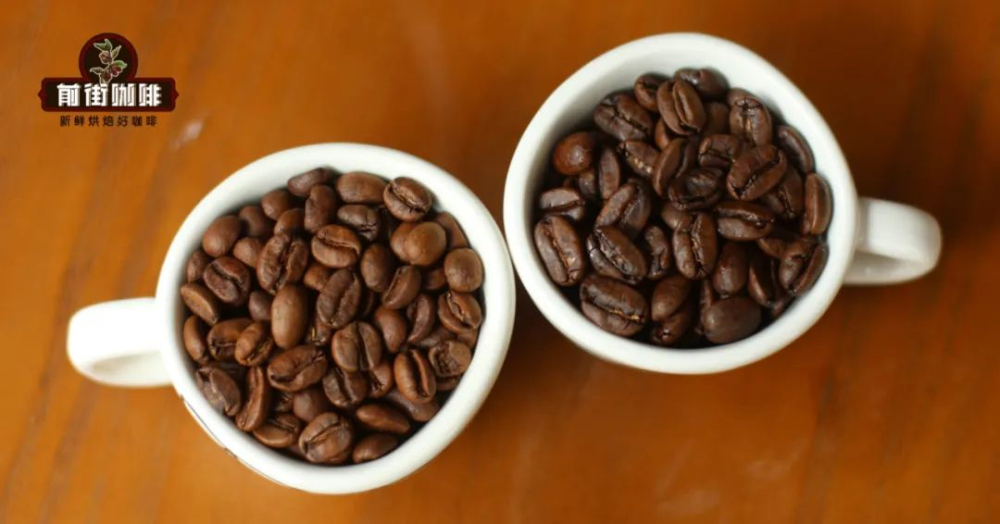
The most critical third factor iswhether the packaging includes a one-way degassing valve. A one-way degassing valve is a device that allows gases to escape outward but prevents outside air from entering. After roasting, coffee beans are quickly cooled and then packaged to seal in freshness. If the packaging lacks a one-way valve, as the beans continuously release CO₂, internal pressure will build up and eventually cause the bag to swell.
If the packaging has no one-way valve and you’ve purchased freshly roasted dark beans, bag swelling is almost inevitable. Some brands opt for valve-less packaging to emphasize “oxygen-free preservation” or “flavor isolation,” but this approach can actually lead to swelling issues in freshly roasted coffee.
If you find your coffee bean packaging puffed up, first check whether it has a one-way degassing valve. If it does, and the packaging is undamaged, it’s generally safe to consume — the swelling is simply due to normal CO₂ release. But if the package is completely sealed without any venting valve, it’s advisable to carefully consider whether to brew with it, as excessive internal pressure could impact flavor and carry a very small risk of the bag bursting.
In summary, a puffy coffee bean bag isn’t necessarily a bad sign, but understanding the reasons behind it can help you make smarter choices. The next time you come across swollen coffee packaging, ask yourself: how fresh are these beans? What’s the roast level? Does the packaging have a one-way degassing valve? With these key pieces of information, you can confidently handle each bag of coffee beans and enjoy the best brewing experience possible.
Of course, if you’ve purchased your coffee beans from a reputable brand with properly designed packaging, even slight swelling is usually normal and doesn’t affect drinkability.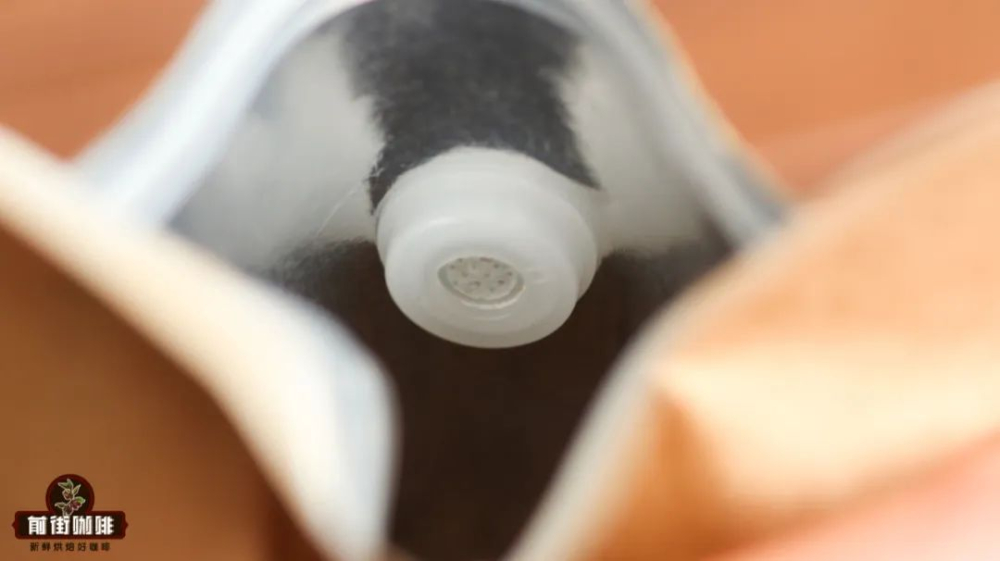
The above content is compiled by CoffeeHunters, a coffee news website.


