







Introduction:How did Colombian coffee rise from turmoil to become one of the world’s top three coffee-exporting nations? This article delves into the century-long development of Colombia’s coffee industry, with a special focus on how FNC has empowered smallholder farmers to step onto the global stage. It also introduces you to Finca El Diviso in the Huila region, as well as the Sidra and Geisha varieties—made famous by the 2022 WBC champion and highly praised by pour over enthusiasts—offering practical flavor insights and brewing recommendations.
Colombia is located in the northern part of South America, and its terrain can be broadly divided into two major areas: the mountainous Andes in the west and the vast eastern plains. The western region features undulating mountains interspersed with small coastal plains, while the east is dominated by the Orinoco and Amazon plains. Coffee seedlings were first introduced to this land by Jesuit missionaries as early as 1723, but it wasn’t until the late 19th century that coffee began to develop into a stable industry.
The Thousand Days' War, which broke out between 1899 and 1903, plunged Colombia into prolonged instability, causing many coffee farms to be abandoned and cultivation activities to nearly come to a halt. After the war, in an effort to revive the agricultural economy, the government reorganized unmanaged wastelands and sold them at low prices to farmers, encouraging them to resume production and grow a variety of crops, including coffee. By 1912, coffee exports already accounted for half of the country’s total exports, officially establishing it as a key economic pillar.
However, because production was mainly carried out by numerous small, scattered farms, they often lacked bargaining power and unified standards when facing the international market. To address this, in 1920, driven by the active efforts of coffee farmers, the Colombian Coffee Federation was established to protect the rights and interests of smallholders. Later, in 1927, this organization further evolved into the more organized and representative “Colombian Coffee Growers Federation (FNC).”
After its establishment, the FNC implemented a series of measures to improve overall coffee quality and its international image. These included setting up strict quality control mechanisms, founding a national coffee research center, and creating the iconic brand image of “Juan Valdez” and his mule “Conchita,” who carried coffee beans—successfully bringing Colombian coffee to the global market. To this day, Colombia remains the world’s third-largest coffee producer and exporter, after Brazil and Vietnam, and is characterized by its many family-run small farms, among which Finca El Diviso in the Huila region is a standout example.
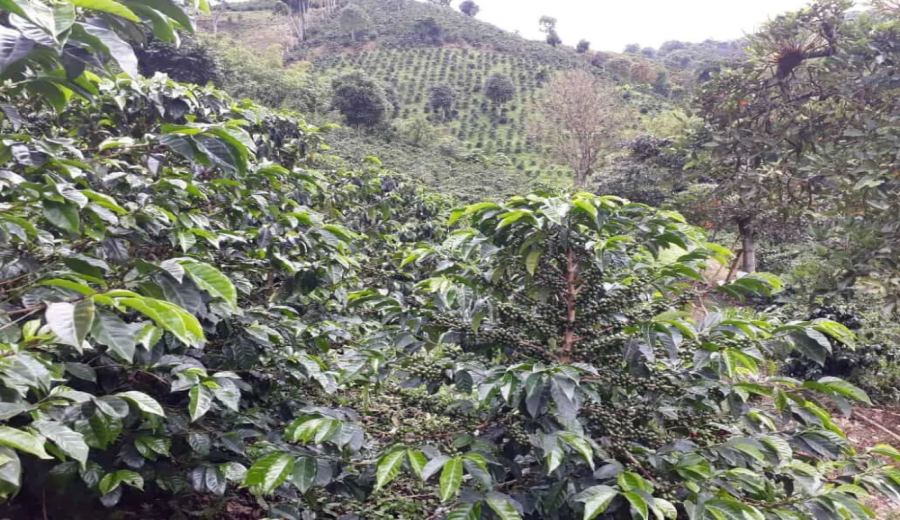
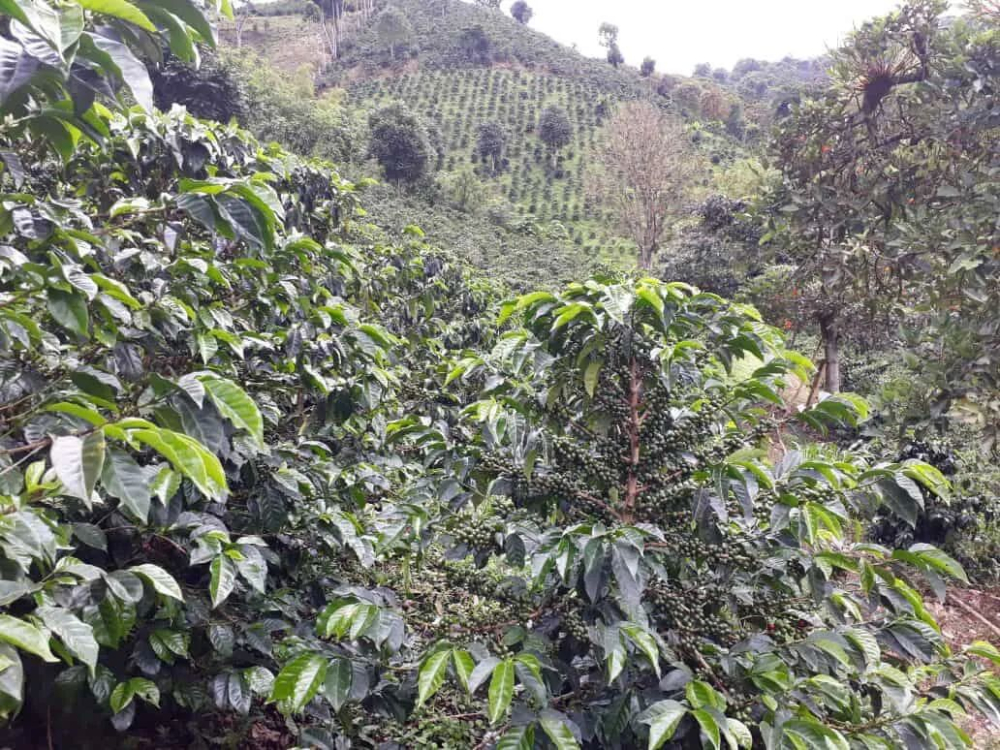
Finca El Diviso was founded in 1996 by Jose Uribe Lasso along with family members and friends, and it has over 27 years of farming history. Located in the Huila region at an altitude of about 1,700 meters, the farm covers a total area of 14 hectares and is primarily managed by family members and close acquaintances, with the founder’s son, Nestor Lasso, now at the helm. The farm has a minor harvest season from May to July and a main harvest season from September to December. Over twelve coffee varieties are grown on the property, including Geisha, Pink Bourbon, Yellow Bourbon, Castillo, Sidra, and Caturra, offering a diverse range with unique characteristics.

In 2022, Australian competitor Anthony Douglas used Sidra from Finca El Diviso in the World Barista Championship (WBC), and with his outstanding performance, he won the championship, propelling this Colombian coffee to overnight fame. Additionally, a well-known coffee brand has also imported several lots from Finca El Diviso, including the championship-winning Sidra as well as the equally eye-catching Geisha.
The Finca El Diviso Sidra imported by this brand is processed using a double anaerobic natural method. It is recommended to use a V60 filter and a 1:15 coffee-to-water ratio for pour over. The resulting cup exhibits distinct fermentation layers, with a flavor profile that includes grape, passion fruit, dried apricot, and citrus notes, delivering a rich yet smooth mouthfeel. The Finca El Diviso Geisha, on the other hand, is washed processed. Brewed with a V60 at a 1:15 ratio, it clearly highlights jasmine floral notes, with flavor highlights of red grapefruit and citrus, and a delicate mouthfeel as smooth as black tea—making it a must-try for coffee lovers who enjoy refreshing profiles.
The above content is compiled by CoffeeHunters, a coffee news website.


