







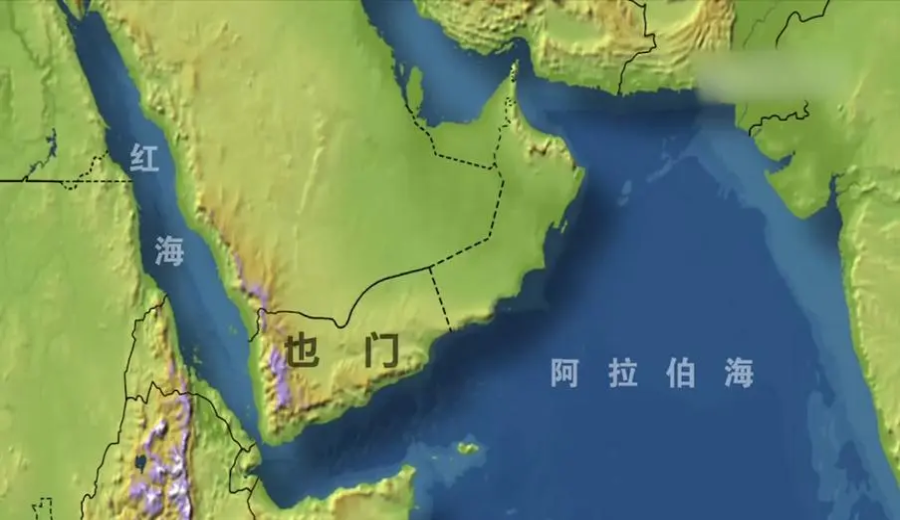
Introduction:The recent deterioration in the security situation along the Red Sea shipping route has forced many cargo ships to reroute around the Cape of Good Hope, extending transit times and triggering the emergence of war risk surcharges. This shift has not only driven up the cost of transporting coffee but also indirectly affected the supply rhythm of major global producing regions. This article delves into how the Red Sea crisis is impacting coffee prices and helps you understand the potential effects of war risk surcharges, port congestion, and regional weather on the future market.
The security situation around the Red Sea and the Gulf of Aden has remained tense recently, prompting major international shipping companies to adjust their routes—most opting to sail around the southern tip of Africa via the Cape of Good Hope rather than risk passing through the Suez Canal. This move has directly led to a 2 to 3 week extension in the transit time of commodities like coffee, while also significantly reducing container turnover efficiency, further exacerbating capacity shortages and naturally pushing freight rates higher.
According to industry logistics observations, several major shipping lines, including CMA CGM and Maersk, have begun imposing so-called “war risk surcharges” on container ships passing through high-risk waters, citing the frequent occurrence of armed conflicts and attacks as force majeure events. The implementation of such surcharges undoubtedly adds to the cost at every step of getting coffee from origin to consumer.
Beyond route adjustments, transportation bottlenecks are also emerging in key coffee-producing regions in East Africa. Areas such as Burundi are experiencing delays in coffee bean shipments due to insufficient truck and fuel supplies, while the Port of Dar es Salaam in Tanzania is suffering from severe congestion caused by a large backlog of container ships, greatly affecting berthing and loading/unloading efficiency and further lengthening overall shipping schedules.
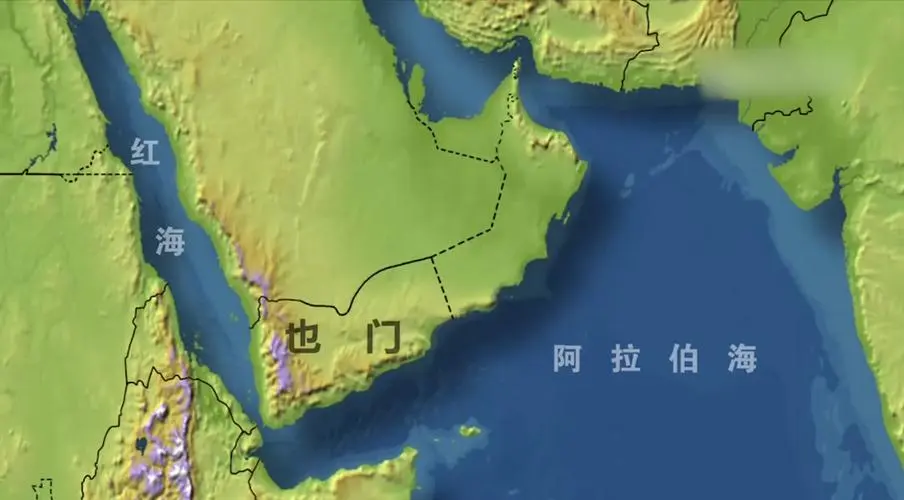
To avoid the Red Sea crisis, numerous cargo ships are choosing to sail around the coasts of South Africa and West Africa, leading to unprecedented congestion at major refueling ports in these regions, such as Kenya’s Mombasa Port, Tanzania’s Dar es Salaam Port, and Djibouti Port. Port infrastructure is under immense pressure—not only are vessel waiting times significantly extended, but there is also a shortage of loading/unloading equipment. It is expected that cabin space and equipment supply will become even tighter in the coming months.
In terms of production regions, Vietnam, a major global exporter of Robusta coffee, has seen a slight price correction recently, with quoted prices at about 70–71 million Vietnamese dong per ton, down from the previous range of 72–73 million Vietnamese dong. However, trade sources indicate that some international buyers are beginning to reduce Robusta imports from Vietnam, partly due to rising freight costs and the activities of the Houthi militants in the Red Sea, prompting many importers to turn to Brazil, which not only offers relatively cheaper freight but also shorter overall transit times.
However, Brazil’s coffee market is also facing challenges. Unusual weather patterns and ongoing drought threats continue to loom over coffee-growing areas. According to data from Somar Meteorologia, the past week saw only 70.9 mm of cumulative rainfall in Brazil’s Minas Gerais state, below the historical average of 85%. Coupled with low coffee inventory levels, the market generally expects prices to have further upside potential, especially as the risk of price volatility cannot be ignored under expectations of tightened supply.
Overall, the turbulence in the Red Sea shipping route is unlikely to subside in the short term. The imposition of war risk surcharges and tight shipping capacity will continue to support high global coffee prices. For consumers and traders, in addition to keeping an eye on real-time quotes, it is even more important to monitor weather changes in major producing regions and port operational conditions, adjusting procurement plans in a timely manner to effectively navigate this wave of global supply chain challenges.
The above content is compiled by CoffeeHunters, a coffee news website.


