








Introduction:Did you know that behind every cup of aromatic coffee lies a series of delicate and complex processes? From planting the seeds and ripening of the coffee cherries, to post-harvest processing, roasting, and extraction, each step profoundly influences the final flavor. This article takes you on an in-depth journey from the coffee bean’s origin in the field to your cup, analyzing the key parameters and considerations at each stage—helping you understand coffee better and appreciate its subtle nuances.
Have you ever been curious about the cup of coffee you enjoy every day? From the planted seed to the final aromatic beverage in your cup, coffee beans go through numerous stages including cultivation, harvesting, post-harvest processing, transportation, roasting, grinding, and extraction. Especially for Arabica varieties, which are extremely particular about their environment, factors such as temperature, rainfall, altitude, and soil conditions all need to align precisely to produce high-quality coffee.

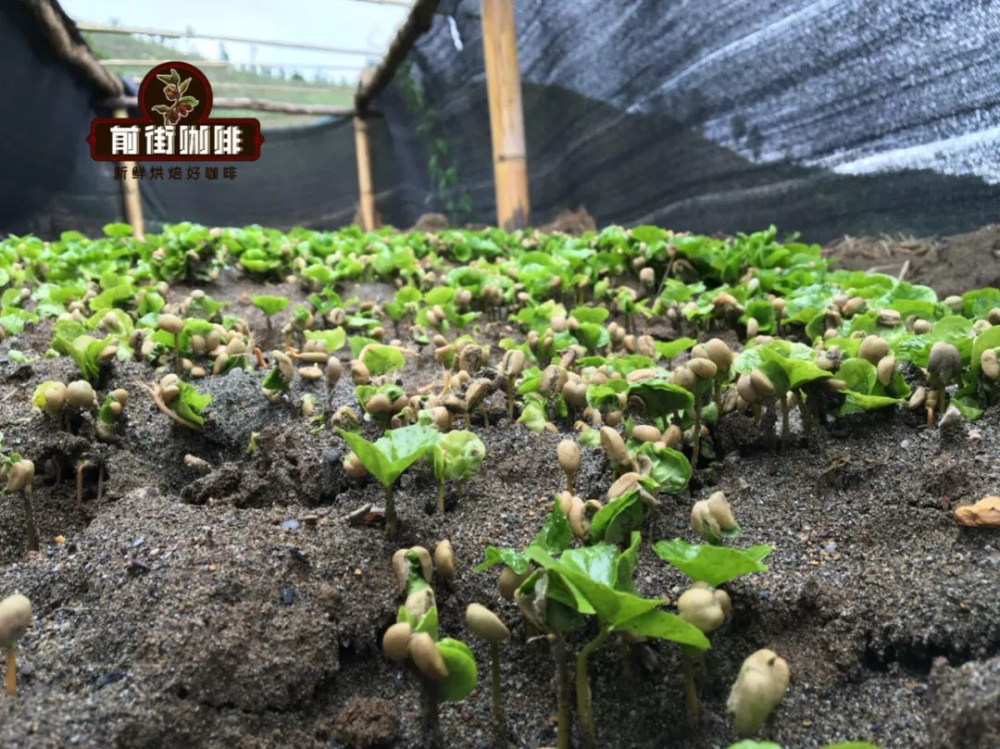
Coffee beans are actually the seeds found inside coffee cherry fruits. To obtain high-quality coffee beans, the process starts with selecting the right seeds and nurturing the seedlings, then transplanting them to suitable locations. Take Arabica, for example: its ideal growing environment includes temperatures between 20–28°C, annual rainfall of 1500–2000 mm, with rainfall timing preferably matching the flowering period, and planting altitudes ranging from 800 to 2000 meters. In addition, the soil must be well-drained, fertile, and receive moderate sunlight to ensure coffee quality.

After planting coffee trees, it typically takes 2–3 years before they flower and bear fruit, and the entire tree’s fruit-bearing period lasts about 15 to 20 years. Once productivity declines, replanting is required. Every step, from sowing to harvest, demands significant effort and time.
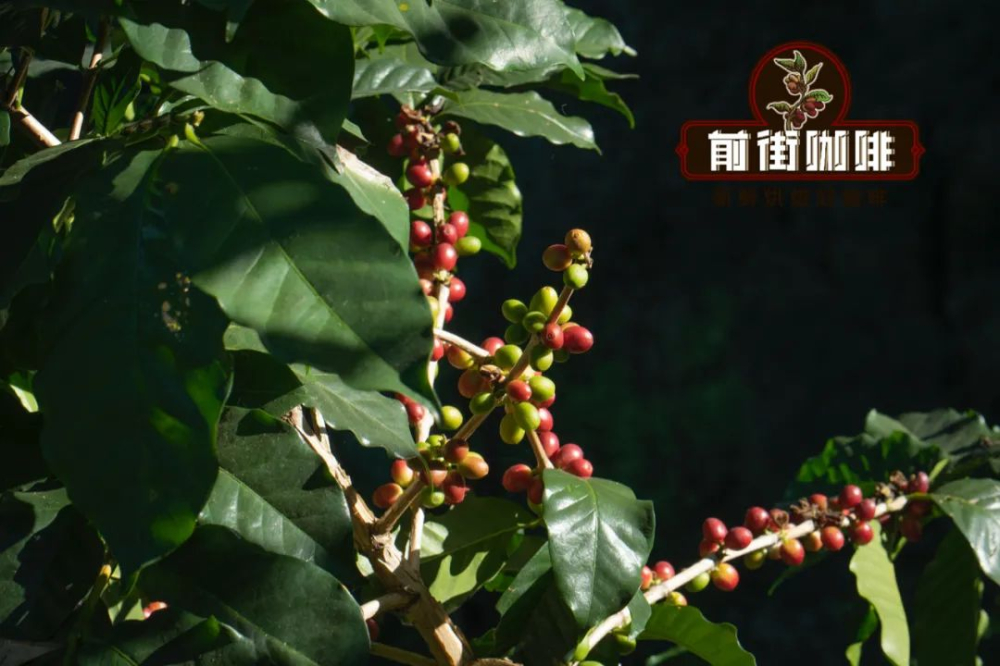
When coffee trees flower and bear fruit, the cherries gradually change from green to bright red or deep red, indicating they have reached the optimal harvest period. Harvesting methods are mainly divided into manual and mechanical. Manual picking can be further divided into carefully selecting only “fully red cherries”—that is, harvesting only fully ripe fruits—which is labor-intensive but ensures quality; the other method is branch stripping, which is more efficient but can mix in unripe cherries that require later sorting.
Mechanical harvesting involves either handheld vibrating equipment or fully automatic strippers. The former is suitable for small-scale farms, using vibration to shake cherries off the trees; the latter is commonly seen in large-scale plantation farms in places like Brazil, where vehicles equipped with devices shake the fruits and collect them via conveyor systems—but this method has certain requirements for terrain and scale.
The harvested coffee cherries must undergo post-harvest processing to remove the outer skin, pulp, parchment, and silver skin, leaving behind what we recognize as green coffee beans. The most traditional method is sun drying, where coffee cherries are spread directly on the ground or raised drying beds, with a thickness controlled to within 2–3 cm, and they need to be continuously turned to ensure even drying. Once dried, the fruits are sent to processing facilities to remove excess parts, though the dried parchment layer is usually retained until just before export when the final hulling takes place.

The processed green beans are then graded and packed into burlap sacks labeled with detailed information such as country of origin, farm, processing method, and grade, before being exported in shipping containers. Some high-end estates opt for vacuum packaging and air freight, such as Panama’s renowned Hacienda Esmeralda.
Once the green beans arrive at their destination, the crucial stage of roasting begins. During roasting, Maillard reactions and caramelization occur, transforming the organic acids and compounds in the green beans into a variety of aromatic substances, creating complex flavors such as nuts, chocolate, or berries. The degree of roasting directly impacts the final flavor profile of the coffee and is a key factor in defining a cup of coffee’s character.
Roasted beans still cannot be brewed directly—they need to be ground into uniform powder. Different brewing methods have varying requirements for grind size: for example, espresso-based drinks like Americano or latte require a grind close to flour fineness; whereas drip methods like pour over are best with a granularity similar to coarse sugar. It’s important to note that even when using the same equipment and beans, the grind size should be fine-tuned according to actual conditions to achieve optimal extraction.
The final step is extraction. Whether through the high temperature and pressure of an espresso machine, the dripping of a pour over, or the long, low-temperature process of cold brew, the key lies in fully releasing the flavor compounds in the coffee while avoiding over-extraction or under-extraction. No matter which method you choose, the ultimate goal is to allow the coffee’s flavors to shine through, delivering the purest possible taste experience.
From planting, harvesting, processing, transportation, roasting, grinding, to extraction—this is the complete journey of a cup of coffee from field to cup. Each step contains countless details and thoughtful processes, and is also the source of coffee’s diverse flavors. Understanding these processes not only allows for a deeper appreciation of coffee, but also enables smarter choices when selecting beans and brewing.
The above content is compiled by CoffeeHunters, a coffee news website.


