







Introduction:Amid the coffee collaboration trend at the start of 2024, Peet’s Coffee partnered with the Dunhuang Museum to launch limited-edition merchandise and drinks. However, consumers reported that the appearance of the cream-topped hot beverages significantly deviated from promotions and were prone to collapsing. This article delves into the design highlights of the collaboration products, analyzes the practical experience issues, and offers solutions to common quality pain points of cream-topped drinks—helping readers understand the challenges of crafting hot drinks with cream toppings and managing consumer expectations.
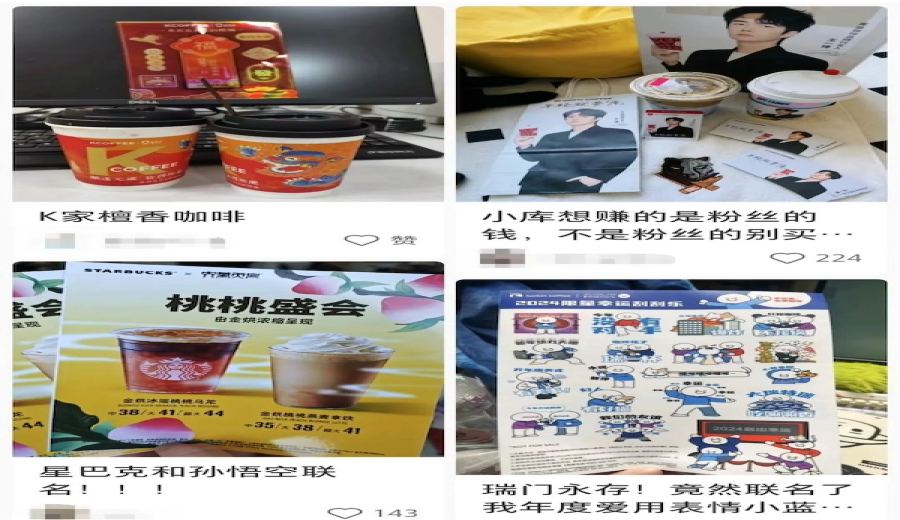
The wave of coffee brand collaborations continued to heat up in 2024. Within just a few weeks, brands such as Luckin, Cotti, and Starbucks successively rolled out cross-industry partnerships, and Peet’s Coffee also joined the fray by teaming up with the Dunhuang Museum to create themed merchandise and two signature drinks. However, the actual performance of these new collaboration products sparked considerable discussion, especially as the cream-topped hot drinks quickly collapsed upon arrival, with their appearance differing markedly from promotional posters—a major point of criticism among consumers.
Within this collaboration, Peet’s Coffee introduced merchandise such as exquisitely crafted treasure-guarding amulets and auspicious couplet fridge magnets, which successfully attracted young consumers fond of Chinese culture. These cultural and creative items not only featured rich Dunhuang-inspired designs but also sold out quickly due to their strong cultural appeal, with customers eagerly sharing their purchasing experiences. However, the real controversy centered on the two drinks inspired by Dunhuang’s specialty fruit, the Li Guang apricot.
According to consumer feedback, although the drinks carried the meaningful message of “May your wishes come true like apricots,” the actual cream-topped hot beverages presented clear quality issues. Many customers reported that by the time they received their drinks from baristas, the cream topping had already largely collapsed, with even the coffee liquid mixing and sliding down the cup walls. Both takeaway and dine-in cups appeared messy, severely impacting the overall drinking experience.
After comparing the actual products received with in-store posters, netizens left comments expressing their shock at the discrepancy. Phrases such as “the difference is not even remotely close” and “the visual gap between the authentic product and a low-cost imitation is like night and day” appeared frequently. Judging from the options on Peet’s ordering mini-program, while the cream topping is an optional feature, when consumers chose the same hot drink as shown in the poster, they generally expected a similar visual effect. However, the melted cream not only affected aesthetics but could also lead to liquid spillage, ruining the dining mood.
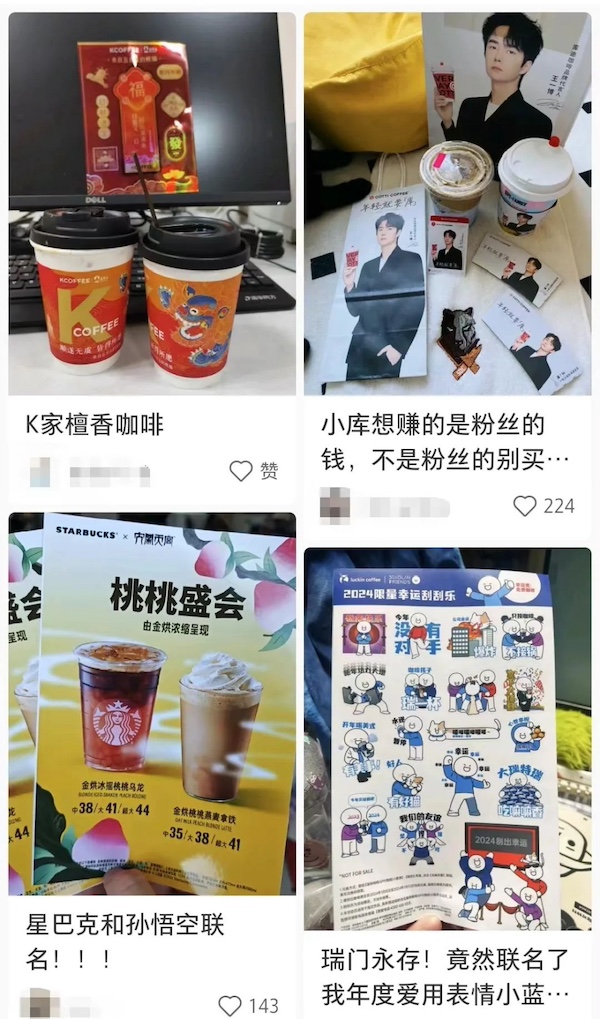
In fact, cream-topped drinks commonly face technical challenges when used in hot beverages. Whether it's Peet’s, Luckin, or other brands, launching hot drinks with cream toppings often leads to complaints about the disparity between the actual product and promotional images. From a professional perspective,the high temperature of hot drinks accelerates the softening of cream; without using specially formulated stabilizers or a fast production process, issues such as collapse and mixing with the liquid are highly likely. As a result, some netizens have suggested that brands avoid directly using photos of hot drinks with cream toppings in their promotions to reduce consumers’ overly high expectations regarding the product’s appearance.
For coffee enthusiasts who enjoy trying new things, this collaboration between Peet’s and the Dunhuang Museum undoubtedly provides an example of observing the gap between brand innovation and actual execution. From the thoughtfully designed merchandise to the actual performance of the drinks, consumers can gain a more comprehensive understanding of both the strengths and challenges of collaboration products. If brands can further optimize the formulation and presentation of cream toppings in hot drinks in the future, they may be able to deliver a more satisfying experience to the market.
The above content is compiled by CoffeeHunters, a coffee news website.


