







Introduction:The global coffee supply chain is facing multiple challenges, with disruptions in Red Sea shipping and the El Niño phenomenon exerting dual pressure. Major producing regions have reported production declines. Against this backdrop, India’s coffee exports are expected to buck the trend, with a projected 10% increase in 2024. This article delves into current international market dynamics and explores India’s competitive advantages and future outlook in the coffee industry.
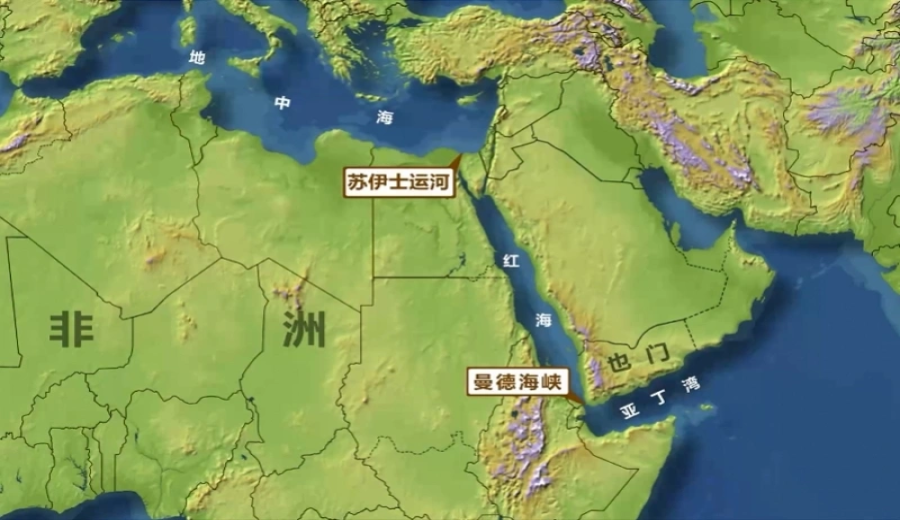
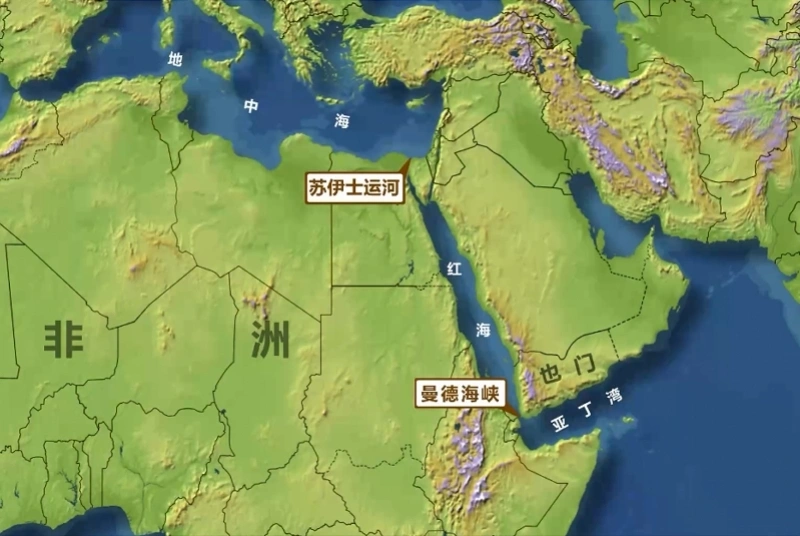
Recently, commercial shipping in the Red Sea has frequently come under attack by the Houthi militants, prompting several shipping companies to suspend or reroute their voyages. This has not only significantly extended transit times but also driven up freight costs, directly impacting the international trade of coffee beans. Among these, the market volatility of Robusta coffee has been particularly severe, with ICE futures prices soaring to their highest level in nearly 16 years.
Specifically, the price of Robusta coffee futures has exceeded $2,950 per metric ton, equivalent to about $18 per kilogram, setting a historical record since the contract was launched in January 2008. Meanwhile, Vietnam, as one of the world’s major coffee exporting countries, has issued a warning from its Ministry of Agriculture, indicating that due to the impact of the El Niño phenomenon, severe drought may occur in early 2024, potentially leading to a sharp reduction of approximately 10% in coffee production for the 2023/24 crop year.
Moreover, even though Arabica coffee prices have recently seen a slight decline of 1.6%, dropping to $1.8115 per pound, multiple major producing regions including Costa Rica have also reported production cuts, sparking market concerns about future price trends. The Costa Rican coffee research institute ICAFE pointed out that due to irregular rainfall and labor shortages in the region, the 2023/24 coffee harvest is expected to decrease by about 13% compared to the previous season.
Notably, against the backdrop of global supply tightening, India’s coffee exports are demonstrating strong growth potential. According to Reuters, due to persistently high international market prices, European buyers are willing to pay higher premiums and are actively purchasing Indian coffee. It is expected that India’s coffee exports could increase by as much as 10% in 2024.
As a South Asian country known for its tea, India is also the world’s eighth-largest coffee producer. Its output is dominated by Robusta, but it also produces some higher-quality and relatively more expensive Arabica varieties. A spokesperson from the Indian Coffee Exporters Association stated that due to production issues in major global coffee-growing regions, international market prices have risen, leading to a significant increase in demand for Indian coffee—especially the Robusta variety—and predicting double-digit export growth this year.
In terms of market distribution, over three-quarters of India’s coffee production is primarily exported to major European consumer markets such as Italy, Germany, and Belgium. Some Indian exporters further noted that traditional practices such as shaded cultivation, hand-picking, and natural processing methods are commonly used locally, resulting in Indian coffee often being priced higher than the global benchmark. This premium is even more pronounced amid current supply shortages in other producing regions.
Despite strong export demand, traders are still monitoring the potential release of further supply, which could exert some downward pressure on local market prices. According to estimates by India’s state-owned Coffee Board, the total production for the 2023/24 season is expected to rise to 374,200 tonnes, up from 352,000 tonnes in 2022/23. This growth is largely attributed to heavy unseasonal rainfall over the past 12 months, a weather condition that had previously hindered production increases.
The above content is compiled by CoffeeHunters, a coffee news website.


