








Introduction:Have you been following your barista’s instructions at home, yet still can’t brew a cup of coffee that’s as balanced and smooth as the ones from the café? Often, the key lies in the small details that are easy to overlook. This article compiles nine common mistakes beginners make when brewing pour over coffee, analyzing everything from pre-grinding preparation, filter paper usage, pouring techniques, to flavor assessment. Step by step, we’ll break down these common pitfalls that affect extraction consistency and final flavor, helping you troubleshoot and consistently recreate your ideal cup.
Brewing coffee at home, you’re pretty sure you’ve followed every “step” the barista taught you—but the resulting coffee just doesn’t taste anything like what you had in the shop? More often than not, it’s not because the technique is overly complicated, but because some seemingly trivial yet highly impactful foundational details have been ignored. We’ve listed nine common mistakes beginners make when brewing pour over coffee, including: not cleaning the grinder before grinding beans, which causes flavor contamination; failing to properly attach the filter paper to the filter cone; tamping the grounds too hard; skipping basic pre-brew checks; checking water temperature too early while it's already dropped; uneven blooming; inconsistent parameter execution; focusing only on the scale and ignoring the coffee bed condition; and drinking coffee without stirring it first. These issues may seem minor, but they directly affect extraction uniformity and the final flavor profile.

Many people invest time and money selecting quality coffee beans and follow online tutorials step by step, yet end up with a cup of coffee that’s far from the flavor experience they expected at the café—and can’t figure out why. In truth, for those new to pour over brewing, mastering the foundational details that impact the overall outcome is more important than chasing elaborate brewing techniques or complex parameter adjustments. If you’re frustrated by consistently underwhelming results at home, take a look at these nine commonly overlooked key details below. Troubleshoot step by step to identify the real reasons behind the flavor issues.
Detail 1: Not cleaning the grinder before grinding, causing coffee bean flavor contamination
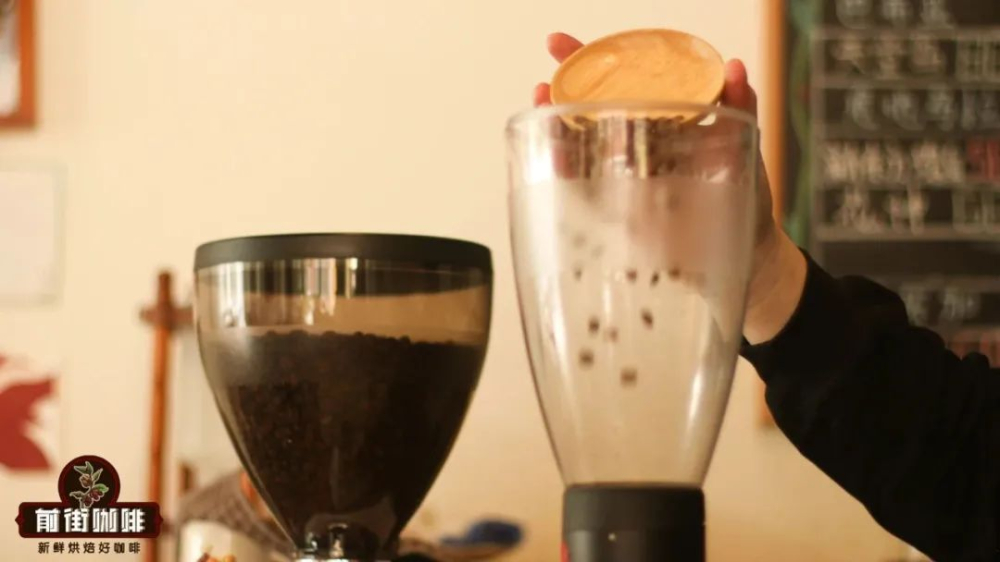
Whether you use a hand grinder or an electric grinder, every time you grind beans, tiny coffee particles remain inside the burrs and internal components. If not cleaned regularly, these leftover grounds oxidize, producing woody, oily, or even unpleasant off-flavors. If you don’t “rinse the grinder” with fresh beans before the next grind, old grounds can mix into your freshly ground coffee, resulting in a muddled cup. The solution is simple: before grinding your actual coffee, run a few beans through the grinder to clear out any residual old grounds. This not only prevents flavor contamination, but also extends the life of your grinder.

Detail 2: Filter paper not properly attached to the filter cone, affecting blooming and water flow
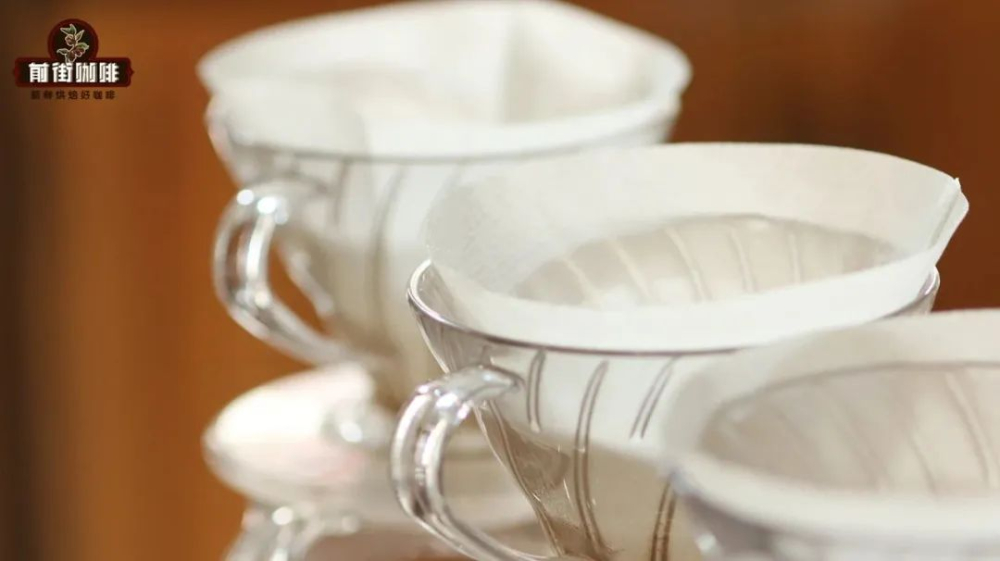
Before starting your brew, wetting the filter paper is a basic step—its main purpose is to ensure the paper adheres tightly to the filter cone and to preheat your equipment. But many beginners simply rinse the filter paper with water, neglecting the crucial aspect of “adhesion.” If there’s air trapped or wrinkles between the filter paper and the cone, it can obstruct the release of gases during the blooming phase, thereby affecting overall extraction flow rate and uniformity. This is especially true for filter cones with specific flow designs (like the V60’s spiral ribs or the KONO’s smooth inner wall)—poor adhesion renders these features ineffective. We recommend gently pressing the wetted filter paper against the inner wall of the cone after wetting, ensuring no air bubbles are left behind.
Detail 3: Over-tapping the grounds, causing fine particles to settle and affect flow
After pouring coffee grounds into the filter cone, many people lightly tap or shake the cone to level the coffee bed—this is correct. However, if the tapping is too forceful or done too many times, fine particles can sink to the bottom, creating a loose top layer and a compacted bottom layer. This makes it difficult for hot water to penetrate evenly, and may lead to channeling or clogging, especially towards the end of extraction. The best practice is to pour the grounds directly into the center of the cone, then gently rock it side to side to allow the bed to settle naturally—avoid over-handling.
Detail 4: Skipping basic pre-pour checks
Even if you’re familiar with various brewing parameters, there are still a few essential checks you shouldn’t skip right before pouring: make sure any water that drained through the filter cone after rinsing has been discarded; check that your kettle has enough water; and zero out your scale before adding coffee grounds, confirming the weight matches your expectations—this helps avoid under-dosing due to the grinder retaining grounds. These small steps help you avoid unnecessary mistakes right from the start.
Detail 5: Checking water temperature too early, leading to a drop by pour time
Many beginners set the water temperature and put the lid on the kettle, then get distracted with other tasks—only to find the water has cooled down by the time they’re ready to pour. This has a significant impact on coffee extraction. It’s recommended to save the final temperature check for the last couple of steps in your brew process. If using a kettle without temperature control, consider heating the water slightly higher than your target (e.g., if aiming for 92°C, heat to 95–96°C), then let it sit to cool to the desired temperature before pouring immediately to minimize temperature fluctuations.
Detail 6: Uneven wetting during bloom, causing poor gas release
The blooming stage typically involves pouring about twice the coffee’s weight in water and letting it sit for around 30 seconds, allowing the coffee grounds to release CO₂ and prepare for optimal extraction. However, effective blooming relies on all the coffee grounds being evenly wet. Poor pouring technique can leave some areas dry while others are already saturated, severely impacting gas release and subsequent extraction efficiency. If you struggle with controlling the pour, slightly increase the bloom water volume (by 5–10 grams) to ensure the entire coffee bed gets evenly wet.
Detail 7: Inconsistent execution of brew parameters, making analysis ineffective
When experimenting with different beans or brewing styles, we usually set a planned set of parameters in advance—such as coffee dose, water volume, water temperature, and grind size. These values serve as the basis for later adjustments. If you arbitrarily change them during brewing—say, you planned for a 1:15 brew ratio but end up pouring 238 grams of water, altering extraction time and concentration, then try to “fix” it by removing the filter cone—it renders the brew useless for reference. Stick closely to your preset values, and if in doubt, record the actual parameters used as a basis for future adjustments.
Detail 8: Only watching the scale, ignoring changes in the coffee bed
Many beginners focus solely on the numbers on the scale and timing during the pour, but overlook the most critical element—the state of the coffee bed. Especially when brewing light roasts with finer grinds, the slower drawdown can cause the liquid level to rise and submerge the coffee bed if you’re only watching the gram count and seconds. This leads to bypassing and under-extraction. While pouring, in addition to monitoring the data, always observe the thickness and evenness of the coffee bed, adjusting your pour rate and coverage as needed.
Detail 9: Drinking coffee without stirring, missing out on full flavor
A single cup of pour over coffee contains different flavor compounds extracted at various stages—often intense in the beginning and mellow towards the end. Drinking it straight without stirring might give you a strong first sip and a bland second. Before enjoying, remember to gently swirl the coffee to blend flavors from different extraction phases, allowing you to fully experience its layered balance.
Mastering these nine common mistakes won’t instantly make your coffee ten times better, but it will effectively help you eliminate instability at the source, allowing you to more quickly pinpoint what’s affecting your coffee’s flavor—whether it’s the grind, water temperature, brew ratio, or pouring technique—and gradually refine your own stable brewing process.
The above content is compiled by CoffeeHunters, a coffee news website.


