







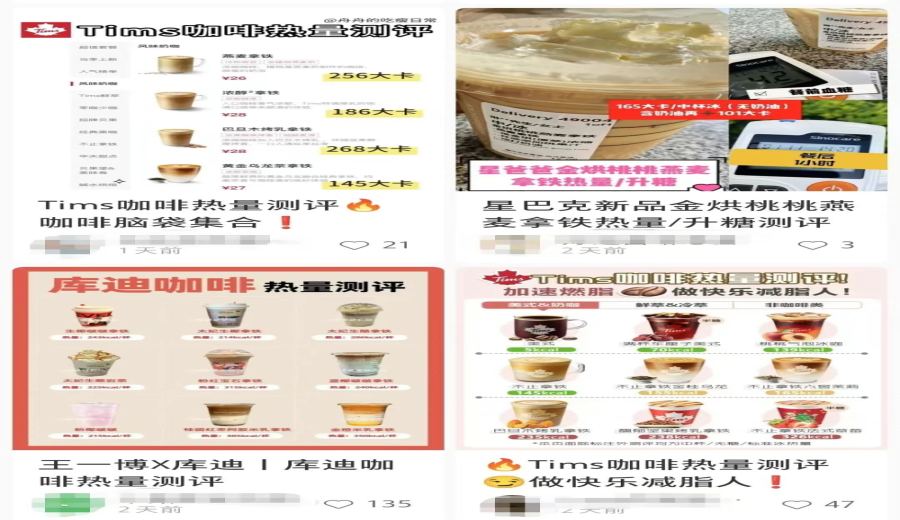
Introduction:As the Lunar New Year approaches, weight loss and calorie control have become top priorities for many, and coffee enthusiasts are no exception. An increasing number of consumers are paying attention to the calorie content of beverages from major brands, especially popular choices like Starbucks and Luckin. This article delves into the coffee calorie evaluations circulating on social media, explores the rising trends of decaffeinated drinks, low-sugar milk coffees, and health-focused brews, helping readers enjoy their coffee while also balancing health and flavor.
With the Lunar New Year just around the corner, many people are getting ready to reunite with family, and controlling weight and managing calorie intake have become key goals for many, all in an effort to look their best in front of relatives and friends. Against this backdrop, coffee lovers are not only focusing on flavor but also paying more attention to the calorie content of their drinks, especially as a wave of coffee beverage calorie evaluations sweeps across social media platforms.
The evaluated brands include popular chains such as Starbucks, Luckin, Manner, Tims, and Cotti. Whether it's espresso, lattes, or various flavored drinks, all have become focal points for calorie scrutiny. Notably, even caffeine-free drinks and desserts have been meticulously labeled with their calorie information by enthusiastic bloggers for public reference.
Since most coffee brands do not fully disclose the ingredient ratios and exact formulations of each drink, the calorie data currently circulating on social media is mostly estimated by fitness experts or internal staff at coffee shops based on experience. Therefore, these figures should be taken as a reference only, and consumers are advised to approach them rationally and avoid over-reliance.
Nevertheless, this trend reflects the upgrading demands of contemporary youth for healthier beverages. They are not only seeking a caffeine boost but also aiming to achieve fat loss and sugar control, giving rise to the so-called "health coffee" trend, as well as the craze for zero-sugar and low-calorie coffee beverages.
Not long ago, creative coffee drinks that combine herbal ingredients—such as "Goji Latte" and "Ginseng Americano"—generated a strong market response. Many consumers noted that such products not only contain visibly healthy ingredients but also provide the familiar caffeine boost, perfectly fitting the daily needs of busy office workers and aligning with their pursuit of a "punk wellness" lifestyle.
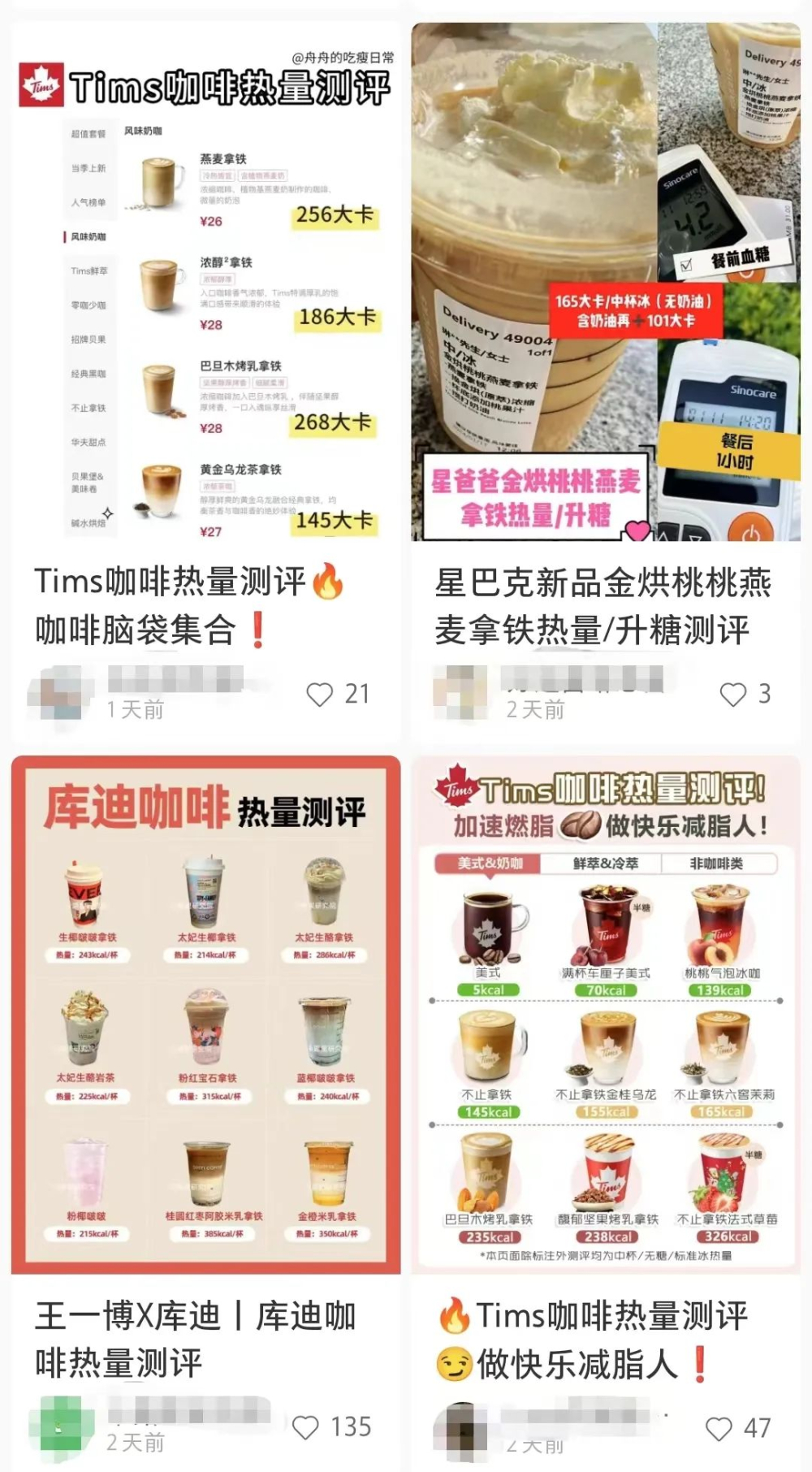
For consumers focused on fat loss or sugar control, the market has gradually introduced more low-sugar, low-calorie milk coffee options. For example, some brands launched zero-sugar coconut lattes late last year, replacing high-sugar syrups with natural coconut milk, retaining the rich aroma of coffee while significantly reducing additional sugar intake, thus winning favor among those aiming to lose weight.
In fact, many health-conscious consumers are still put off by the intense bitterness of traditional black coffee, so they tend to opt for milk coffee products with milder flavors and controllable sugar content. Industry observers note that the concept of "health and wellness" may very likely become a mainstream development direction in the beverage market, and "zero-sugar, low-calorie" could also become important formulation considerations for brands when developing new products.
For coffee enthusiasts, understanding the approximate calorie ranges of common beverages can help make smarter choices during the holiday season. Whether opting for unsweetened black coffee, low-sugar milk coffee, or trying out health coffees infused with herbal elements, the key lies in finding balance—enjoying the flavors while also taking care of physical and mental well-being.
The above content is compiled by CoffeeHunters, a coffee news website.


