







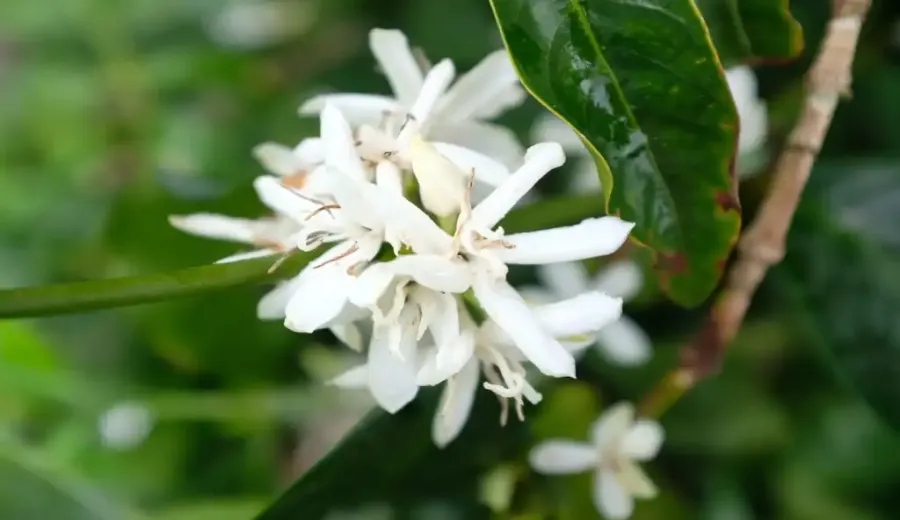
Introduction:Struggling to detect the clear floral notes in your pour over coffee? The issue is closely tied to brewing methods and roast levels. This article delves into the science behind white floral aromas, explains why medium-to-light roasted beans are better suited for highlighting floral notes, and provides brewing tips — including adjusting the coffee-to-water ratio, water temperature, and pouring technique — to make those floral aromas pop. We wrap up with a hands-on brewing walkthrough using a well-known Geisha bean.
Many coffee enthusiasts buy beans labeled with floral descriptions, only to find the aroma underwhelming or even completely absent after brewing. This isn’t just your imagination — floral compounds are low-polarity molecules, which makes them not only harder to extract but also more easily masked by other complex flavors in coffee. To truly appreciate the layered floral notes in your cup, start with understanding the extraction principles.
Where do floral notes in coffee come from?
The presence of rich floral notes in coffee beans is influenced by factors such as variety, terroir, and post-harvest processing. However, the most critical stage in determining the prominence of floral aromas is roasting — the key process that transforms green beans into the beverage in your cup. During roasting, aromatic compounds within the beans undergo complex reactions due to high heat. Over-roasting not only damages floral notes but can also allow stronger, overpowering flavors to mask them.
As a result, beans described as having floral profiles are usually medium-to-light roasted. This roast level preserves the intrinsic characteristics of floral compounds without overly developing other flavors, resulting in a fresher, more delicate coffee aroma.
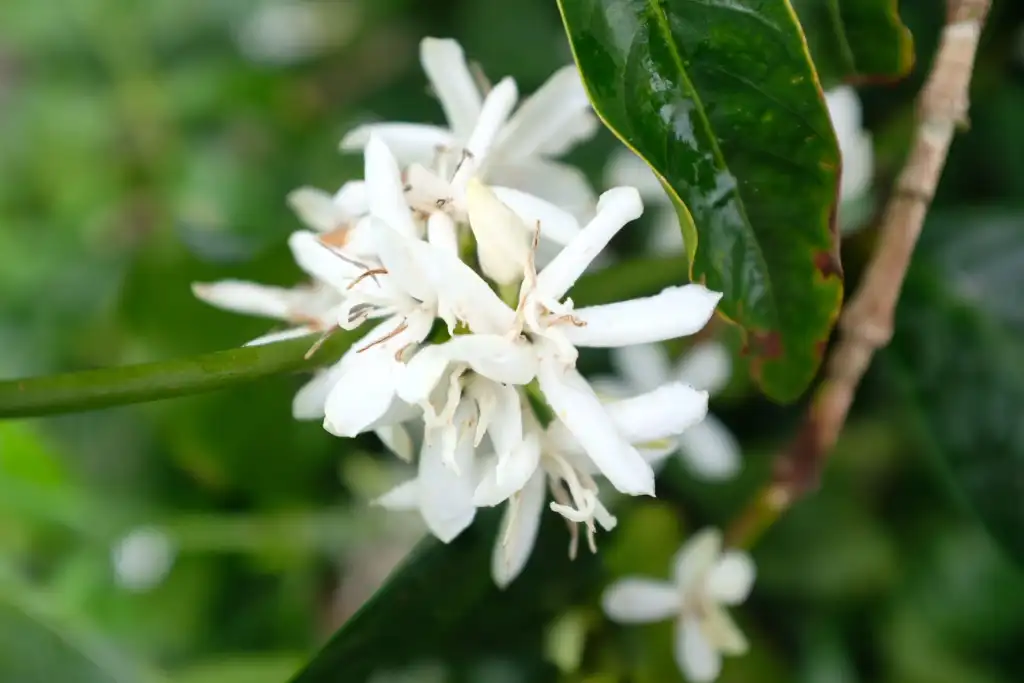
What kinds of floral aromas have you noticed?
Floral notes in coffee aren’t monolithic; they can be categorized based on their scent profiles into several types: fresh floral, soft floral, and heavy floral. Among these, fresh floral is the most common, typified by scents like jasmine and gardenia — light, elegant, and what we often refer to as “white floral.” Soft floral notes tend to be gentler and more soothing, reminiscent of rose or lavender. Heavy floral notes, on the other hand, carry a bit more impact, sometimes even a slight sharpness upon first sniff, such as osmanthus or chamomile.
The so-called “white floral” category covers a broad range — including jasmine, camellia, coffee blossom, ylang-ylang, gardenia, and white rose. These flowers share similar olfactory foundations, which is why they’re often collectively referred to as white floral when tasting. Even though flavor wheels list many different floral types, the actual experience can be somewhat blended — but that refreshing, elegant impression is the unique hallmark of white floral notes.
How can you extract floral notes through pour over?
Research by American scholars and the Specialty Coffee Association (SCA) shows that brewing is essentially a process where hot water dissolves flavor molecules, and the polarity and molecular weight of those molecules determine how easily they are extracted. Generally speaking, flavor compounds that are highly polar and low in molecular weight dissolve more readily, while the opposite is true for those that are less polar or heavier.
Floral compounds fall into the low-polarity, harder-to-extract category. Moreover, their sensory impact is relatively subtle, meaning they can easily go unnoticed if the coffee is too concentrated or if other flavors dominate. Therefore, the key to highlighting floral notes lies in achieving a brew with “low concentration and high extraction.”
A 2020 extraction experiment conducted by SCA in collaboration with the University of California found that coffee with lower concentration and higher extraction rates tends to exhibit more pronounced floral notes. In other words, by fine-tuning brewing parameters, you can enhance the perception of floral aromas.
Adjust your brewing parameters this way for more vibrant floral notes
To achieve low concentration and high extraction, you can work in two directions: increasing the coffee-to-water ratio, and improving extraction efficiency. The former means using more water to dilute the coffee — the standard pour over ratio is 1:15, but if you want to bring out more floral notes, try adjusting it to1:16, a ratio many roasters and baristas have empirically found to balance flavor and aroma.
As for improving extraction efficiency, common methods include raising water temperature, grinding finer, or increasing agitation. However, altering water temperature or grind size can affect multiple variables at once, requiring adjustments elsewhere to avoid over-extraction. In contrast,enhancing agitation during pouringis a more stable and manageable approach.
In practice, agitation mainly depends on the force and circular motion of your pour. Increasing the water’s impact and the number of pour circles around the coffee bed can both promote better contact between coffee grounds and water, thereby improving extraction efficiency.
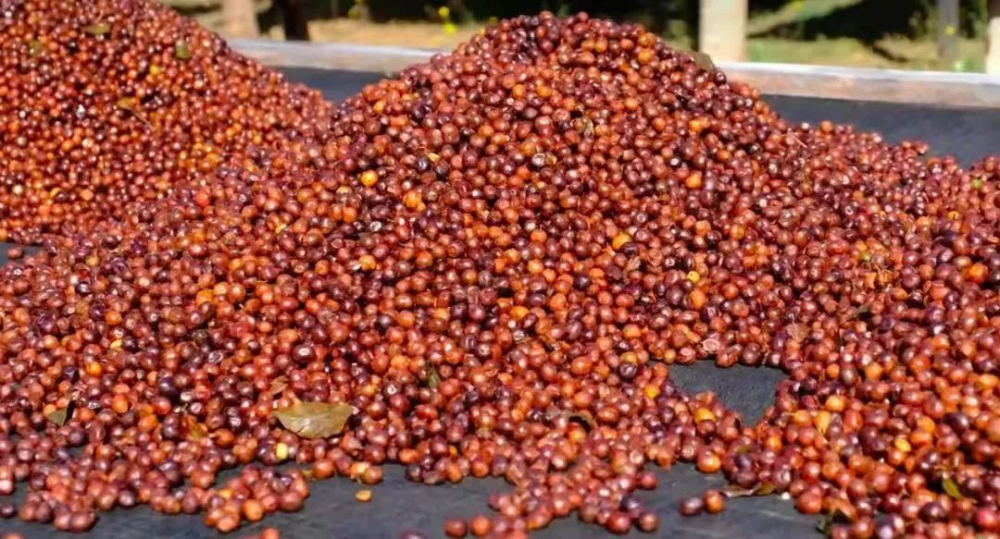
Geisha three-stage pour over demonstration
Here’s a real-world example using a well-known Ethiopian Gold Label Geisha bean, often described as having pronounced white floral notes and bright fruity tones — perfect for practicing floral extraction.
Brewing parameters used:
- Coffee bean: Ethiopian · Gold Label Geisha
- Dose: 15g
- Coffee-to-water ratio:1:16(compared to the common 1:15, this is more conducive to releasing floral notes)
- Water temperature: 92°C
- Grind size: Ek43 grinder at setting 10, approximately 70% passing through a #20 sieve (close to medium-fine)
- Filter: V60
- Brew method: three-stage
Brewing steps:
- First stage: Pour 30ml of hot water for blooming, for about 30 seconds
- Second stage: Continue pouring 140ml of hot water, using asteady wide-circle pourto promote even extraction
- Third stage: Pour another 70ml of hot water, switching to asteady narrow-circle pourto delicately extract the remaining flavors
Total brew time is about2 minutes and 12 seconds. Compared to the usual 1:15 ratio and slow-circle method, this parameter setup delivers noticeably richer white floral notes, along with softer fruit acidity and a refreshing green-tea-like finish. The overall flavor profile is layered, balanced, and complex.
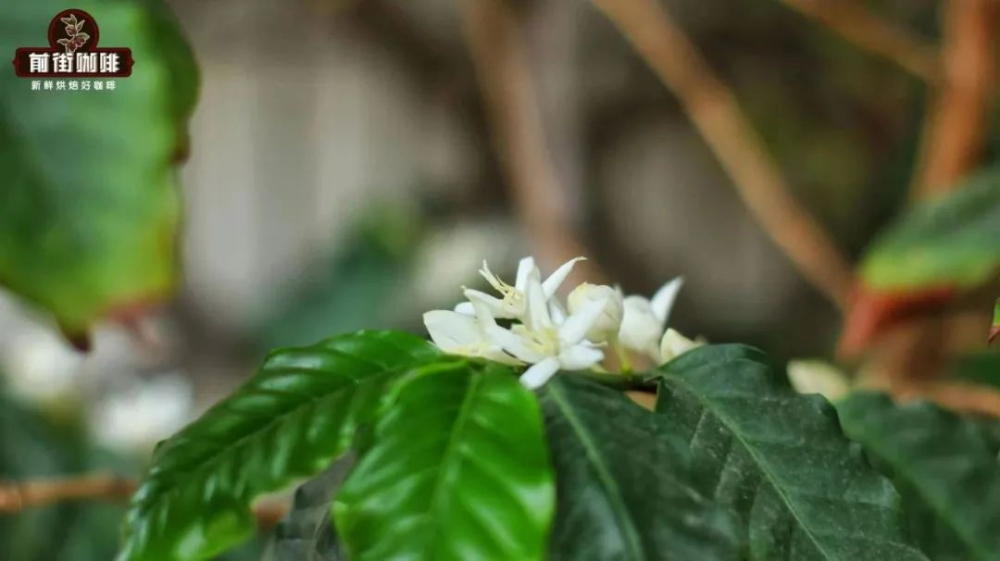
To truly experience vibrant floral notes in your pour over coffee, it’s not just about choosing the right beans — it’s about mastering every detail of the brew. From adjusting the coffee-to-water ratio and water temperature, to controlling your pour technique and agitation level, each step shapes the final flavor profile. Next time you brew a Geisha or other medium-to-light roast bean with floral descriptions, give the techniques shared in this guide a try. You might be surprised to discover that the floral notes were there all along — just waiting to be awakened.
The above content is compiled by CoffeeHunters, a coffee news website.


