







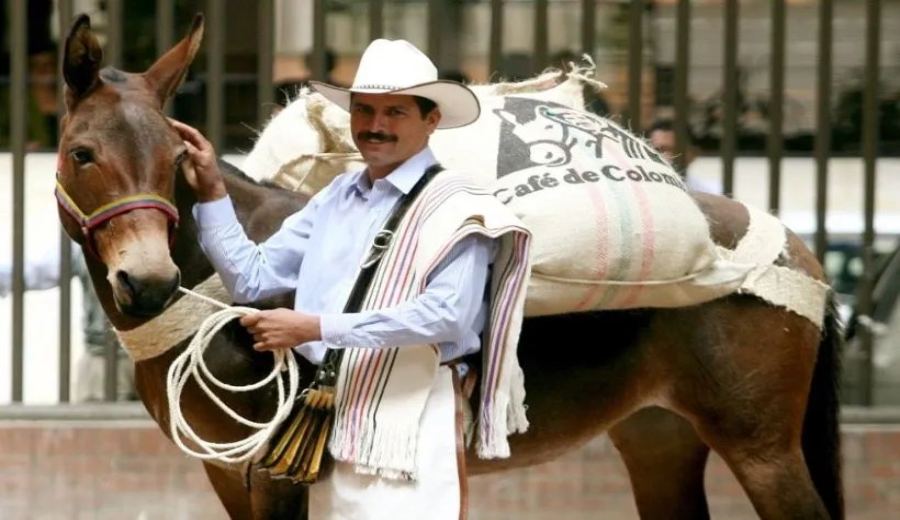
Introduction:Did you know that the iconic mule-riding "Uncle Juan" behind Colombian coffee is actually a fictional character? Since his creation by the Colombian Coffee Growers Federation in 1959, he has not only become one of the most recognizable figures in global coffee promotion, but also successfully elevated Colombian coffee onto the stage of single-origin specialty coffee. This article will delve into the origins of Uncle Juan and his mule Conchita, the design philosophy behind the classic triangular logo, and how they have shaped today’s consumer perceptions and expectations of Colombian coffee.
When it comes to Colombian coffee, many people immediately picture an image of a coffee farmer with a thick mustache, wearing a traditional poncho and wide-brimmed straw hat, accompanied by a mule—this is the well-known "Uncle Juan" (Juan Valdez). This beloved character is not a real person, but rather a fictional spokesperson created by the Colombian Coffee Growers Federation (FNC) in 1959. Despite being a fictional figure, Uncle Juan has successfully become an international symbol of Colombian coffee, promoting the recognition and acceptance of single-origin coffee in global markets.
The image of Uncle Juan is inspired by the real lives of hundreds of thousands of small- and medium-scale coffee farmers in Colombia. The country is home to approximately 550,000 coffee growers, most of whom manage small family farms. Including their family members and related workers, millions of livelihoods are tied to coffee. These farmers are mostly located across the three main mountain ranges of the Andes, where rugged terrain and poor transportation make mules an essential tool for transporting coffee beans from the mountains.
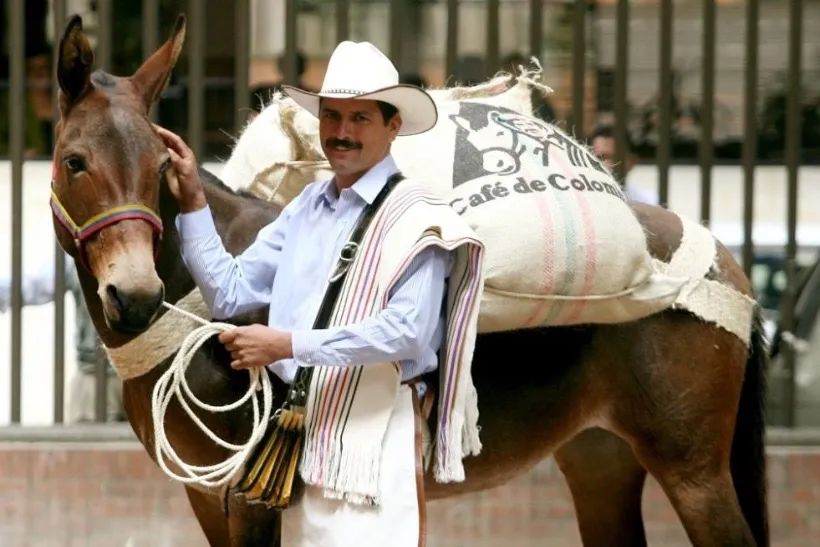
Speaking of Uncle Juan, one cannot overlook his loyal companion—the mule "Conchita." In Colombia’s high-altitude mountainous regions, due to rugged roads that are often impassable by vehicles, mules have long played a crucial role in transporting coffee beans from the hills to processing facilities. Even though transportation infrastructure has improved today, in some remote areas, mules remain an indispensable transport partner. The images of Uncle Juan and Conchita are a true reflection of the daily work of these hardworking coffee farmers.
The character of Uncle Juan was inspired by the typical appearance of coffee farmers in Colombia’s central Paisa region: with a thick beard, wearing durable work clothes, draped in a traditional poncho, and donning a wide-brimmed "Aguadeño" straw hat. He represents not just one individual farmer, but the collective image of coffee farmers across Colombia’s coffee-growing regions, conveying brand values of sincerity, craftsmanship, and harmony with nature.
Founded in 1927, the FNC has long been dedicated to improving the quality and international image of Colombian coffee. By the 1950s, although Colombian coffee had gained widespread acclaim among international buyers, it was mostly used in blends, and consumers were largely unaware of the unique flavors of "Colombian coffee" itself. At that time, the U.S. market accounted for 77% of Colombian coffee exports, yet fewer than 4% of American consumers knew that Colombia was a coffee-producing country. To change this, the FNC commissioned the renowned New York advertising agency DDB in 1958 to develop a new marketing strategy.
After a year of market research and creative development, in 1959, Uncle Juan and his mule made their official debut. The core of this marketing campaign was to create a relatable and trustworthy image of a coffee farmer, allowing consumers to equate "Colombian coffee" with "high-quality single-origin coffee." According to statistics, within just five months of the launch of Uncle Juan’s image, the number of American consumers of Colombian coffee nearly tripled, making it one of the most successful agricultural product branding campaigns globally, even ranking among the top five most recognizable brand images worldwide at one point.
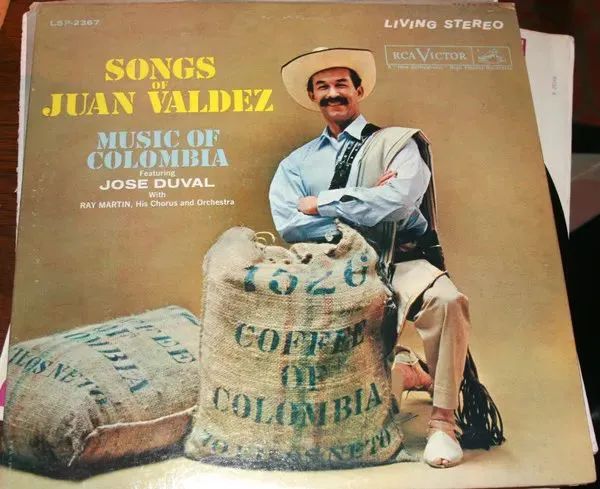
To further solidify the single-origin status of Colombian coffee, the FNC introduced the symbolic "triangle logo" system in the early 1980s. Designed by DDB, this logo features the image of Uncle Juan and his mule, set against a triangular background symbolizing the Andes Mountains, with the text "100% Café de Colombia" below, clearly assuring consumers that the product consists of 100% coffee beans from Colombia. This move not only strengthened origin certification, but also helped consumers more easily identify and choose products that are genuinely from Colombia.
Today, Uncle Juan is no longer just a figure on advertisements. In 2002, the "Juan Valdez Café" chain of coffee shops, named after him, was officially established. It now has hundreds of outlets in over ten countries across the Americas, the Middle East, and Asia. The store interiors blend traditional Colombian elements such as handmade floor tiles, vertical green gardens, and tables and chairs made from recycled coffee wood, creating a rich coffee-origin atmosphere that makes customers feel as if they are in the high-altitude coffee fields of Colombia.
From a marketing idea to a globally recognized symbol of coffee, Uncle Juan and his mule have not only transformed the international standing of Colombian coffee, but also made consumers pay more attention to the origin and growing story of their coffee. The next time you see that familiar image of the coffee farmer and his mule, take a moment to appreciate the dedication and passion that comes from the Andes Mountains.
The above content is compiled by CoffeeHunters, a coffee news website.


