








Introduction:Have you ever noticed that your pour over coffee tastes weak or astringent after brewing, but can't figure out why? It might be the "channeling effect" at play. While commonly associated with espresso extraction, uneven water flow during pour over can also create channels, affecting the overall flavor. This article will delve into the causes of channeling in pour over coffee and offer practical tips for prevention and adjustment to help improve extraction stability and taste.
Many people mistakenly believe that the "channeling effect" only occurs during espresso extraction, but it can also quietly happen in pour over brewing. When hot water doesn’t uniformly penetrate the entire coffee bed and instead finds the path of least resistance—such as quickly flowing through gaps between the filter paper and dripper—it creates what’s called channeling. This results in some coffee grounds being under-extracted, ultimately compromising the overall flavor profile.
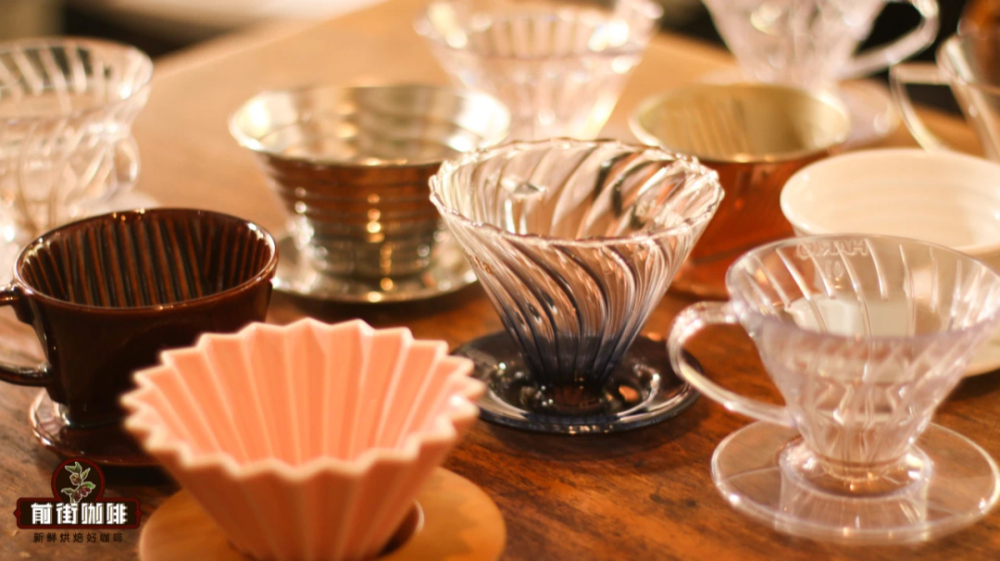
Especially when using drippers with built-in flow channels, such as the V60 or Origami, which are designed with ribs to hold the filter paper and intentionally leave gaps between the dripper and paper to speed up drainage, the likelihood of water concentrating along specific paths increases. While these designs aim to prevent over-extraction from over-immersion, improper pouring techniques can easily lead to uneven extraction.

In simple terms, the channeling effect occurs when water chooses the easiest, least resistant path through the coffee bed rather than evenly saturating every coffee particle. As a result, some hot water fails to fully interact with the grounds, leading to under-extraction, while other areas may become over-extracted. This often produces coffee that lacks complexity and may carry unpleasant astringency or off-flavors.
In actual pour over practice, the severity of channeling varies. In milder cases, excessive water volume may cause the water level to rise above the coffee bed, allowing surplus water to escape directly through gaps between the top of the coffee bed and the dripper—water that barely participates in extraction. While this slightly impacts flavor, adjustments in multi-pour techniques can still help mitigate the issue.
However, if you notice obvious gaps in the coffee bed’s “wall” after brewing—even catching a glimpse of the filter paper—it indicates that during brewing, concentrated pouring (such as consistently circling in a large pattern or pouring in one fixed spot) caused water to erode a specific area, forming a stable “shortcut.” This leads to ineffective use of coffee grounds in that zone, and such cases are usually difficult to remedy afterward.
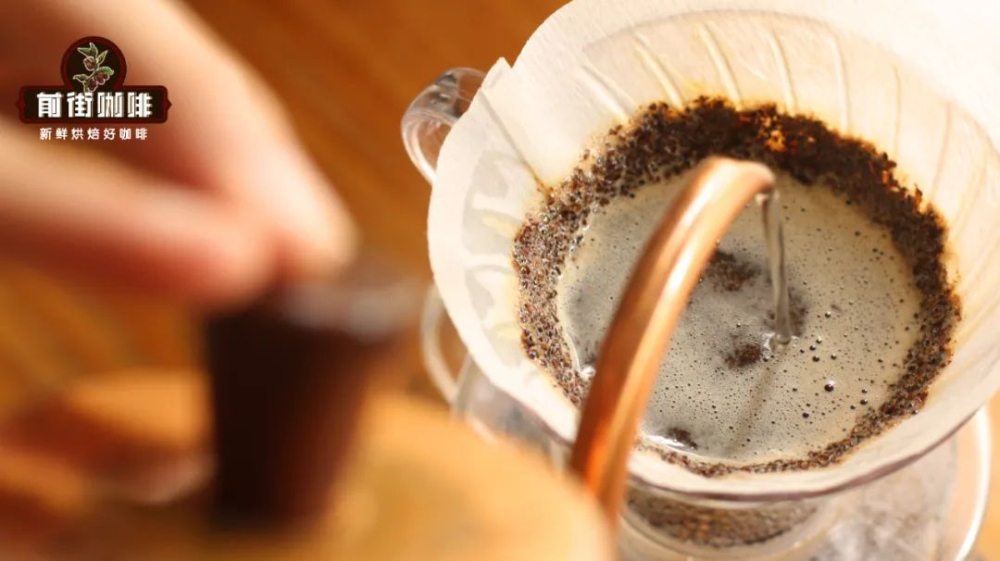
More severe instances involve visibly noticeable collapses or fissures. These often result from overly forceful water streams or pouring from too high, creating excessive impact that breaks down part of the coffee bed wall. Consequently, a large amount of water bypasses uniform penetration and rapidly drips through the fissure into the server, leaving significant portions of coffee under-extracted and resulting in thin, distinctly astringent brews.
It’s worth noting that not every instance of water impact causing a breach in the coffee wall immediately leads to serious collapse. During early brewing stages, localized fractures may appear, but as the water level rises, upper coffee grounds may slide down to fill the gaps, creating the illusion of normal extraction. This “false sense of security” can cause one to overlook channeling, thereby misjudging the overall extraction quality.
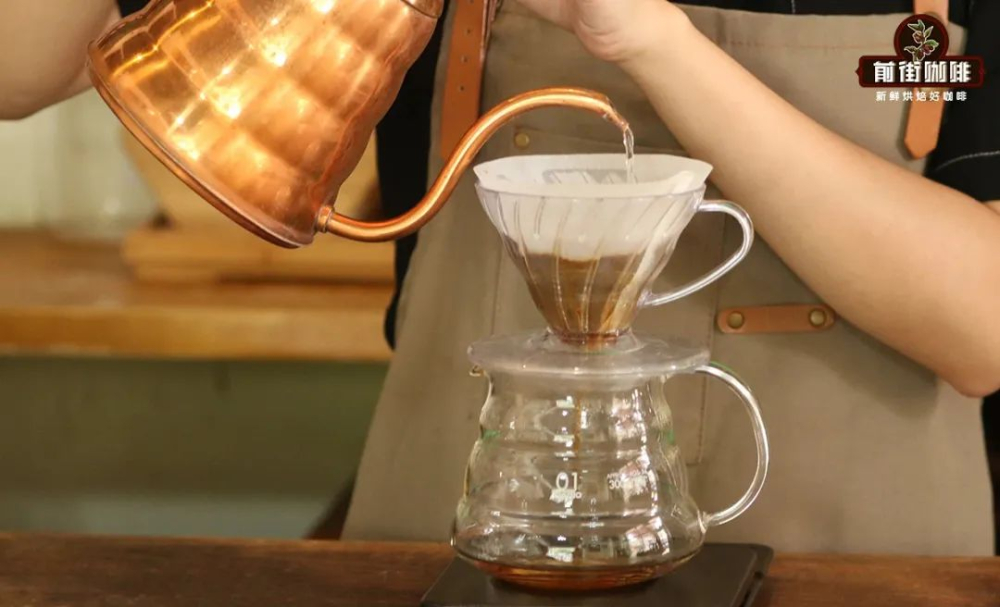
To reduce channeling in pour over brewing, the top priority is adjusting your pouring technique. It’s advisable to avoid wide, circular pours—especially continuous movements near the edge of the dripper—as this tends to concentrate water flow along the walls, forming fixed pathways. Lowering the pour height also helps reduce water impact, preventing strong streams from disrupting the coffee bed structure.
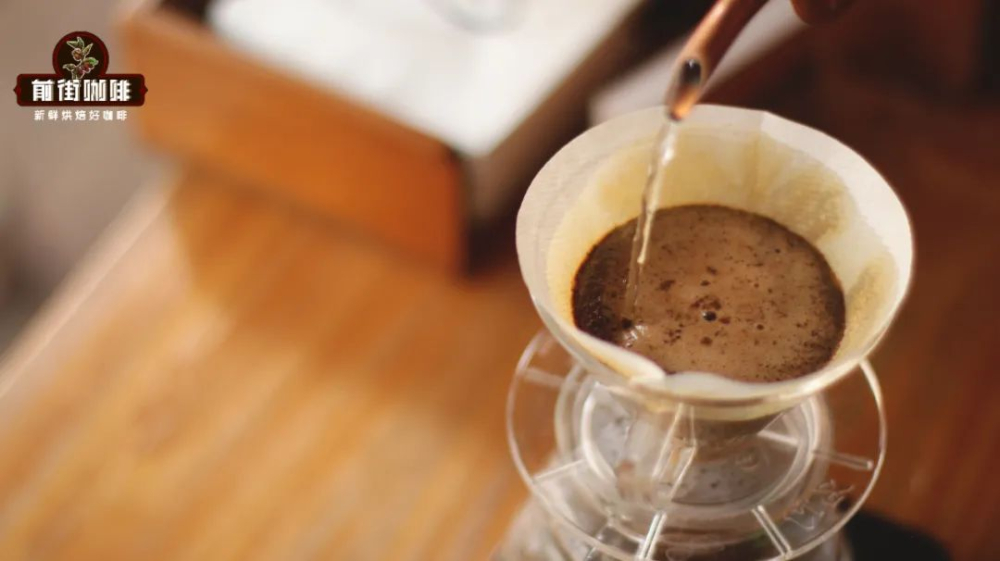
Additionally, using a center pour combined with small spiral movements helps distribute water more evenly across the entire coffee bed, minimizing both over- and under-extraction in localized areas. Controlling pour speed and rhythm to maintain a steady flow is another key technique for ensuring even extraction.
In summary, although pour over coffee is less sensitive to channeling compared to espresso, improper pouring techniques can still lead to uneven extraction and negatively affect flavor. By observing the state of the coffee bed, adjusting your pour path, and managing water impact, you can significantly reduce the occurrence of channeling and brew more balanced, layered cups of coffee.
The above content is compiled by CoffeeHunters, a coffee news website.


