







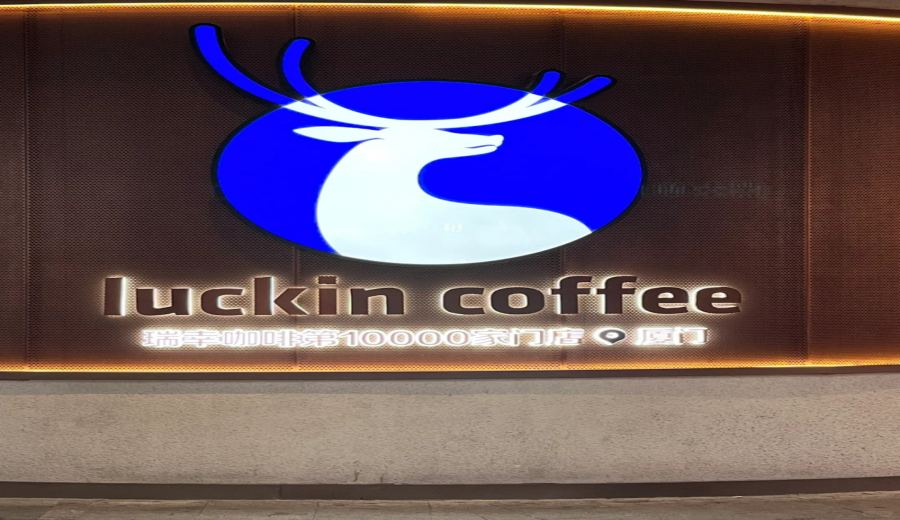
Introduction:As its 10,000th store and flagship location, Luckin Coffee launched a pour over coffee option for the first time, but it stirred discussion by using a machine to simulate the techniques of a champion barista. Priced at 20 RMB, using 23 grams of coffee beans and water at 88°C, this coffee sparked heated online debate due to its “untouched manual pouring” and relatively light flavor. This article breaks down the brewing process, parameter settings, and market feedback to help you assess the actual performance of machine pour over and the definition of specialty coffee.
When Luckin Coffee’s store count surpassed 10,000, its first flagship store chose “pour over coffee” as the entry point for brand upgrading. This product, currently only available at that location, quickly became a hot topic among consumers — the key being that the so-called “pour over” is entirely done by machine, with no manual operation from a barista from grinding to pouring.
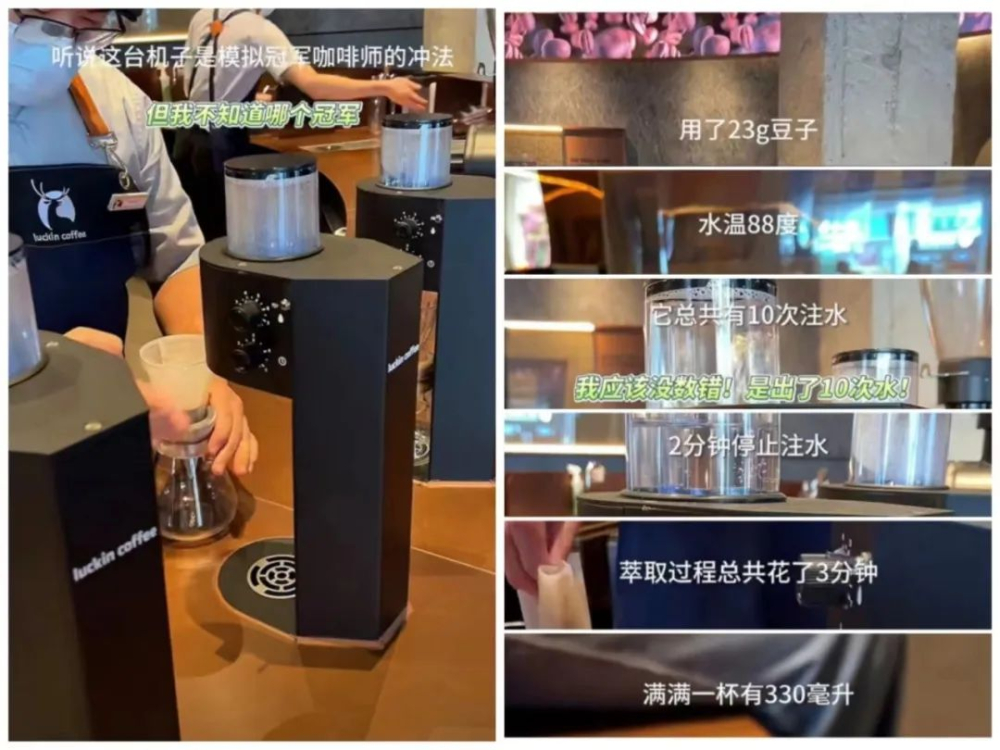
According to on-site observations, staff first weighed out 23 grams of coffee beans and ground them, then placed the grounds into a dedicated pour over dripper positioned under the machine’s water outlet. The machine simulated the technique of a champion barista, dispensing 88°C hot water in ten pours, with the total extraction time around three minutes, ultimately producing 330 milliliters of coffee. Notably, there was an issue with the coffee grounds layer becoming clogged, but the machine continued operating as programmed, and staff did not intervene promptly.

Based on actual consumer feedback, the color of this pour over coffee was noticeably lighter, with an indistinct flavor profile, and the overall taste was mainly mild. When customers asked about the reason, staff responded that “the hot one is slightly lighter,” without further explanation. This presentation fell short of the public’s expectation of pour over coffee as having “rich layers and distinct flavors.”
In online discussions, opposition centered on the core definitional controversy of “how can a machine-made coffee be called pour over?” Common criticisms included “it’s basically automated brewing, with no relation to manual skill,” “is a 20 RMB pour over too cheap?” and some even suggested Luckin stick to its core business and “stop playing with pour over.” Supporters, however, argued that light roasts are naturally lighter in color and that “affordable options have their market demand,” with some tasters stating that it “met everyday drinking needs.”
A deeper analysis of the brewing parameters shows that 88°C is within the common range for pour over (typically recommended at 85–92°C), but the ratio of 23 grams of coffee to 330 milliliters of water — roughly 1:14 — is lower than the 1:15–1:16 range often recommended for specialty coffee, which may affect flavor intensity. Additionally, while the machine’s design of ten separate pours mimics manual pulse pouring, it lacks the flexibility to adjust flow rate based on the state of the coffee bed — a key element that manual pour over brewers use to control flavor.
Regarding the quality debate, beyond the fundamental issue of machines replacing human labor, on-site service details were also mentioned. Observers pointed out that staff did not promptly address the clogging issue and gave rather scripted responses to customer inquiries, which further impacted overall evaluations. In a professional pour over process, the brewer needs to continuously observe the expansion of the coffee bed and the speed of water penetration, adjusting pouring techniques or intervening when abnormalities occur.
This incident reflects the diverse perceptions consumers have about the definition of “specialty coffee.” Some users believe that price and convenience matter more than strict definitions, while others insist that the core value of pour over coffee lies in “human technique and sensory judgment.” For Luckin, this brand upgrade attempt at the 10,000-store milestone shows both a strategic market adjustment and exposes the gap between mass-market expectations and the demands of specialty coffee.
In summary, while this machine-made “pour over coffee” meets the basic framework in terms of parameter settings, it lacks the flexibility of manual adjustments and professional judgment, making its final flavor profile naturally hard to satisfy all expectations. For beginners looking to try pour over, it’s recommended to first understand basic elements such as brew ratio, water temperature, and pouring techniques, then choose suitable equipment based on personal taste preferences — whether manual or machine-assisted, understanding the principles is key to finding your own ideal flavor.
The above content is compiled by CoffeeHunters, a coffee news website.


