







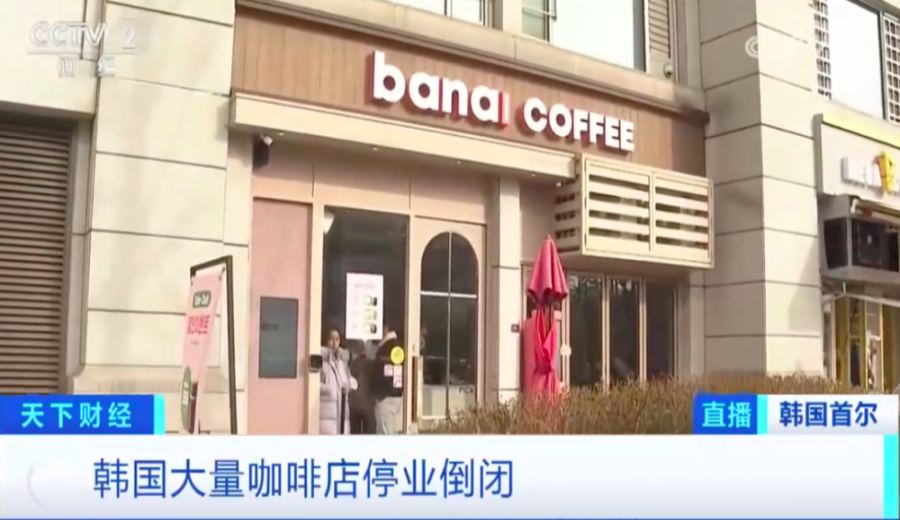
Introduction:South Korea, one of the world’s top markets in per capita coffee consumption, has seen an unprecedented wave of closures in recent years, with over 10,000 coffee shops shutting down. What is behind this dramatic upheaval? This article delves into the intensifying internal competition, growing polarization, and shifting consumer preferences within the South Korean coffee market, helping readers grasp market trends and operational challenges.
The South Korean coffee market was once considered a goldmine for entrepreneurs, with chain brands expanding rapidly and specialty cafes attracting customers through unique styles and innovative drinks. However, as the overall economic environment slowed down, this once-booming market is undergoing an unprecedented reshuffle. According to official statistics, the number of coffee shops that closed last year exceeded 10,000, averaging nearly 1,000 closures per month, setting a historical record.
Notably, South Korea is one of the countries with the highest per capita coffee consumption in the world. Data shows that last year, per capita consumption reached 405 cups, more than double the global average. Even so, despite strong demand, the worsening business environment has proven too much to overcome.
Many individual operators in South Korea originally believed that opening a coffee shop had low barriers to entry, requiring only modest capital and basic decoration. However, in reality, as more competitors entered the market and the costs of rent, labor, and ingredients continued to rise, the survival space for small independent cafes was significantly compressed. Especially during the economic downturn, many shop owners were forced to cease operations.
Currently, the South Korean coffee market is showing a clear trend of polarization. On one hand, chain brands that focus on affordability and take-away services are favored by a broad young consumer base due to their competitive pricing and convenience. Statistics indicate that four out of the top five coffee brands in South Korea adopt a low-price strategy and have rapidly expanded their market share through a high volume of take-away and delivery orders. On the other hand, high-end specialty coffee shops that emphasize spatial design and service quality target high-income customers, solidifying their position in the market.
Mid-tier coffee shops, which fall between these two extremes, often lack distinctive features and struggle to gain an edge in cost control or brand differentiation. As a result, they are becoming the primary targets of market elimination. Many such shops, after struggling amid fierce competition for some time, eventually choose to exit the market.
Adding to the pressure on local businesses is the fact that as South Korea’s coffee consumption market flourishes, well-known specialty coffee brands from regions such as North America are also entering the market, bringing even fiercer international competition. These overseas brands, with mature operational models and strong brand influence, further intensify market rivalry, making life even harder for already disadvantaged small and medium-sized shops.
At the same time, consumer purchasing habits are quietly changing. Against the backdrop of economic hardship, an increasing number of South Koreans are opting to buy relatively inexpensive instant coffee or canned ready-to-drink coffee from supermarkets and brew it at home to save money. As a result, freshly ground coffee, which typically falls within the price range of 20–30 RMB, is gradually losing favor among mainstream young consumers, leading to a notable decline in market demand.
In response to the shrinking market for freshly brewed coffee, some South Korean coffee shops have begun adjusting their business strategies, experimenting with packaged coffee products such as capsule coffee and cold brew concentrates. They hope to find new revenue streams and stabilize their operations through a diversified product lineup.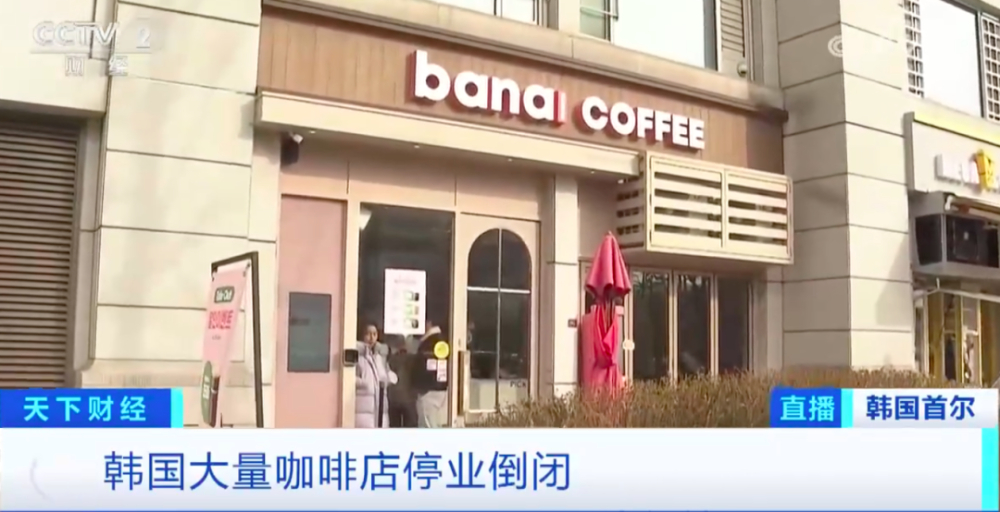
Overall, the wave of closures in the South Korean coffee market is not just the result of economic changes, but also a product of structural issues within the industry and shifts in consumer trends. For those looking to enter or already operating in the South Korean market, understanding these deeper factors will help develop more effective business strategies to navigate future challenges.
The above content is compiled by CoffeeHunters, a coffee news website.


