







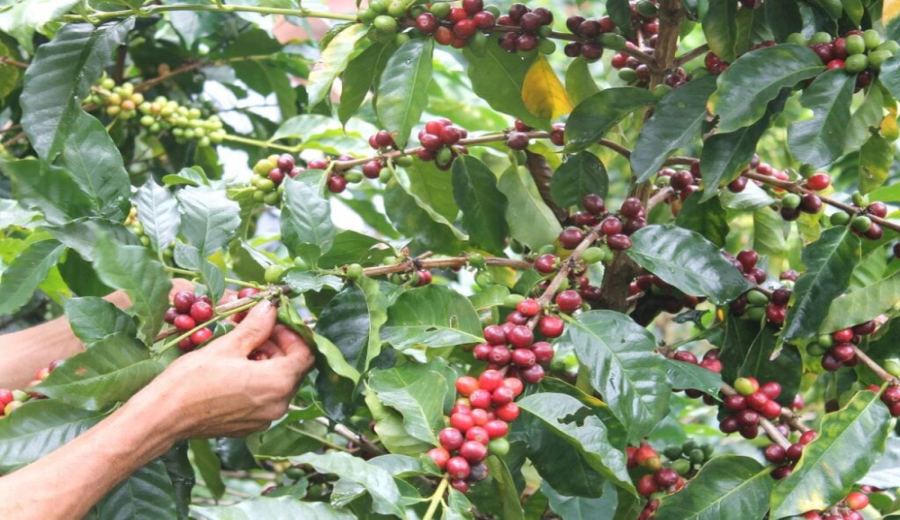
Introduction:Vietnam is the world’s second-largest coffee producer. Its coffee industry began during the French colonial period, evolved through wars and reforms, and has shaped today’s landscape dominated by Robusta. This article will take you on an in-depth exploration of the terrain, climate, and bean variety characteristics of Vietnam’s three major coffee-growing regions, examine the reasons behind its high production volume, and analyze the unique performance of Vietnamese Robusta in classic espresso blends—helping you gain a comprehensive understanding of this major Asian coffee-producing nation.
Vietnam is located in the southeastern part of the Indochinese Peninsula in Southeast Asia, bordering China, Laos, and Cambodia to the north and west, and facing the South China Sea to the east. The country has a distinct north-south longitudinal distribution, with a terrain primarily composed of mountains and plateaus, accounting for about three-quarters of its land area. The Truong Son Mountain Range stretches from north to south, and most of the country features a tropical monsoon climate. The north has four distinct seasons, with an average temperature ranging between 23°C and 25°C; the south is distinctly divided into a rainy season (May to September) and a dry season (October to April of the following year), with an average annual temperature of about 26°C to 27°C and rainfall generally ranging from 1,500 to 2,000 millimeters, providing diverse environmental conditions for coffee cultivation.
Vietnam’s coffee cultivation history began in 1867 when it was introduced by French colonists. Initially, it mainly consisted of small-scale plantations, and it wasn’t until around 1910 that a commercial-scale industry began to take shape. However, the Vietnam War severely impacted coffee production, which only gradually recovered and moved toward intensification and scale after the war. In 1986, Vietnam implemented the Doi Moi (Renovation) policy, relaxing restrictions on private agriculture, leading to a rapid expansion of coffee planting areas—an increase of 25 times within just 25 years, and total output surged nearly a hundredfold, propelling Vietnam to become a globally significant coffee-exporting country.
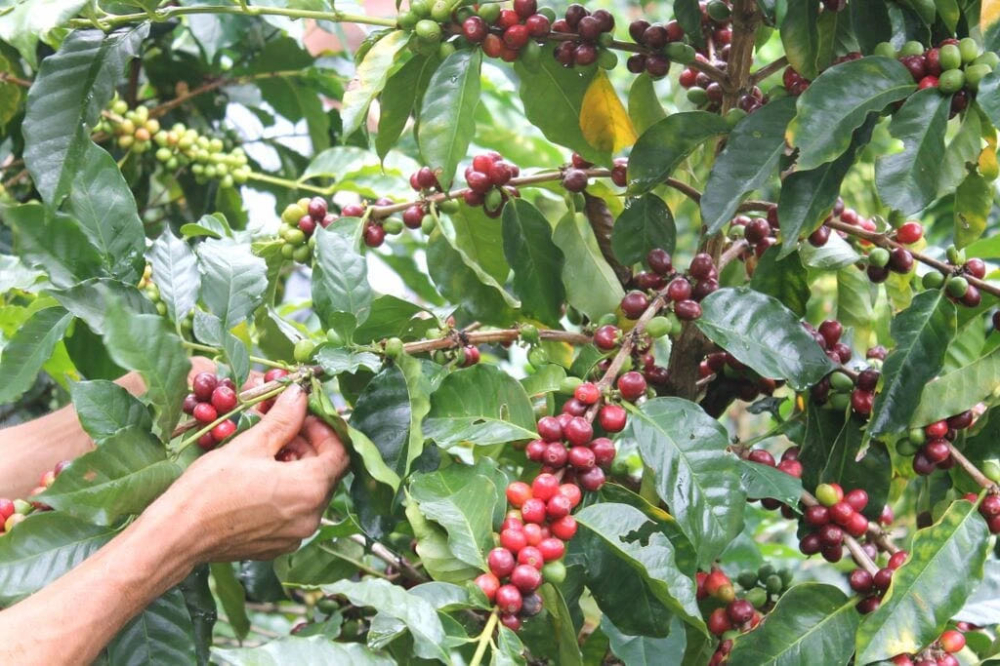
Especially in the early 1990s, many emerging enterprises entered coffee production, and with international coffee prices rising between 1994 and 1998, Vietnamese growers focused on increasing yield per unit, resulting in a significant surge in total coffee production between 1996 and 2000. This briefly impacted global market supply and triggered a sharp decline in prices. Although international market supply and demand have recently become tighter, Vietnam continues to assess the possibility of expanding planting areas to meet global demand.
For a long time, Vietnam’s coffee production has been driven by yield-focused objectives, so its growing regions mainly cultivate disease-resistant, high-yield Robusta varieties, with only a few areas growing Arabica. The country’s coffee-growing regions can be broadly divided into three major geographic zones, each with unique climates, altitudes, and bean variety distributions.
The Central Highlands is one of Vietnam’s core coffee-producing regions, encompassing provinces such as Dak Lak, Lam Dong, Gia Lai, and Kon Tum. The terrain is mostly plateau, with elevations generally ranging between 600 and 1,000 meters, making it suitable for Robusta (locally called Xanh Lun) growth, along with some Arabica cultivation. This region accounts for approximately 70% of the country’s Robusta production, with a harvesting period as long as five months, from November each year to March of the following year. The climate is cool and stable, aiding in the even ripening of coffee cherries.
Southern Vietnam is another major producing region, concentrated in Dong Nai Province northeast of Ho Chi Minh City. It also primarily grows the Robusta TR series and attracts several international coffee brands to set up processing plants—for example, the well-known food company Nestlé has a production base here. This area has lower elevations, ranging between 200 and 800 meters, with a harvest season similar to the Central Highlands, from November to March of the following year. The climate is dry and hot, conducive to high-yield cultivation.
As for Arabica, it is mainly found in northern Vietnamese provinces such as Son La, Thanh Hoa, and Quang Tri. These regions are close to Hanoi, at higher elevations, mostly between 800 and 1,600 meters, with a cool climate and large day-night temperature variations—ideal conditions for Arabica growth. The area mainly cultivates Bourbon, Catimor, and a small amount of the Robusta TR series. Although Arabica accounts for only 3% to 5% of Vietnam’s total output, the country’s massive overall production still places it as the world’s 15th-largest Arabica producer.
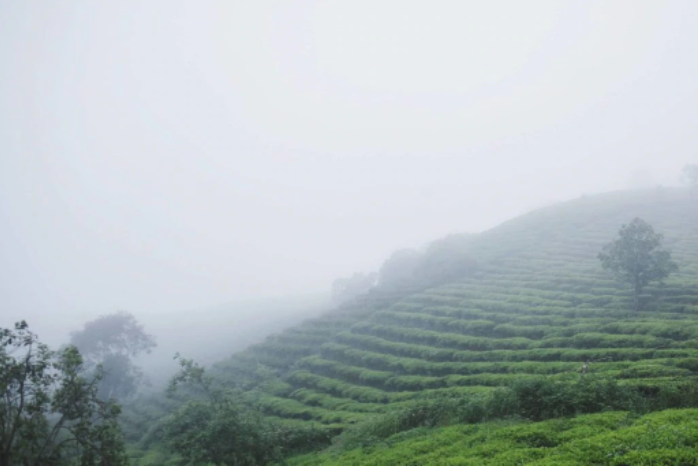
Vietnam’s coffee bean grading system is relatively straightforward, primarily based on the number of defective beans per 300 grams of green coffee, with fewer defects indicating a higher grade. This standard helps buyers quickly assess bean quality and serves as a common quality control reference in international trade.
In terms of coffee blend applications, Vietnamese Robusta is often used in espresso recipes due to its bold flavor and high oil content. For instance, some classic espresso blends combine Vietnamese Robusta with beans from regions like Indonesia’s Mandheling and Brazil’s Cerrado. Through medium-to-dark roasting, they bring out rich chocolate and nutty notes. Not only does the espresso itself deliver a full-bodied flavor, but when milk is added, it further highlights sweetness and a silky texture—making it a classic combination favored by many baristas.
The above content is compiled by CoffeeHunters, a coffee news website.


