







Introduction:Understand the origins, characteristics, and applications of Robusta-Arabica hybrid varieties, from Timor Hybrid to Yunnan Small-Leaf Catimor. Grasp how these varieties balance disease resistance with flavor potential, enhancing both cultivation and brewing choices and understanding.
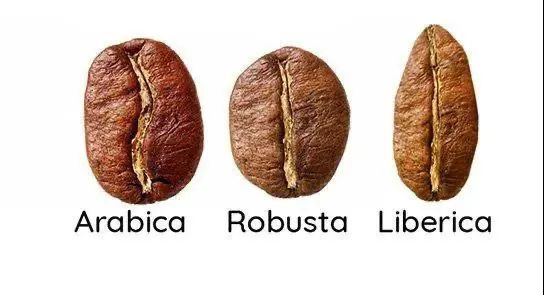
Global coffee varieties are broadly divided into three main categories: Arabica, Robusta, and Liberica, with Arabica and Robusta being the commercial mainstream. Robusta originates from the Congo region in West Africa, and its genetics are fundamentally different from those of Arabica. Although both belong to the genus Coffea, Robusta stands apart as a distinct lineage. This type of coffee possesses stronger disease resistance and environmental adaptability, making it particularly suitable for cultivation in low-altitude, hot-climate regions. As a result, it is commonly found in countries such as Vietnam, Brazil, and India.
Robusta contains a caffeine content as high as 2.7% to 4%, nearly double that of Arabica. This high concentration of natural insecticide gives it stronger resistance to pests and diseases. Additionally, Robusta is an allogamous plant with significantly higher genetic diversity compared to the self-pollinating Arabica, granting it greater advantages in mutation and adaptation. However, the high caffeine content also results in a bolder, deeper flavor profile, often accompanied by notes of nuts and grains, as well as exceptionally rich crema, making it suitable for use in espresso blends or for making instant coffee.
To achieve a balance between flavor and disease resistance, coffee breeding experts have crossed Robusta with Arabica, successfully cultivating varieties such as Timor Hybrid, Catimor, and Castillo, which possess dual advantages. These hybrids are not only resistant to common diseases like leaf rust but also retain some of the flavor potential of Arabica to a certain extent.
One of the earliest hybrid varieties to emerge was Timor Hybrid, which naturally occurred in East Timor (locally known as Tim Tim) in 1920 as a natural cross between Arabica and Robusta. Although classified as an Arabica plant, it carries strong disease-resistant genes inherited from Robusta. Later, breeding experts artificially crossed Timor Hybrid with Caturra to further enhance its flavor performance and yield, giving rise to the first generation of F1 hybrid variety — Catimor. This variety quickly gained widespread global cultivation due to its high yield, disease resistance, and relatively good cup quality potential.
Another significant hybrid achievement is Castillo, developed through a research program initiated in 1961 by the Colombian Coffee Research Center. After 23 years of research, it was officially introduced in 2005. The program focused on improving varieties to combat diseases such as leaf rust. Through multiple generations of selection, several disease-resistant varieties were successfully cultivated, including Castillo. These varieties demonstrate stronger adaptability, particularly excelling in the Latin American region.

In Taiwan and certain Chinese markets, the small-leaf Catimor variety grown in the Yunnan production area has gradually garnered attention. This type of coffee is typically processed using the washed method, and when medium-roasted, it can exhibit fruity and melon-like aromas, along with subtle plum acidity and soft cocoa notes. Its overall mouthfeel is round and smooth, resembling black tea flavors, making it suitable for consumers seeking balanced taste profiles. The Yunnan Small-Leaf Catimor produced in this region is a representative example, showcasing clear and layered flavor expression.
This small-leaf Catimor is not only suitable for single-origin pour over brewing but can also serve as one of the base beans in espresso blends. For instance, some blends combine the creamy and nutty aromas of Brazilian beans with the mild acidity and tea-like qualities of Yunnan Small-Leaf, creating a balanced overall profile with a clean aftertaste. For newcomers to coffee, such mixed flavors serve as an excellent starting point for understanding the unique characteristics of different regions and varieties.
The above content is compiled by CoffeeHunters, a coffee news website.


