







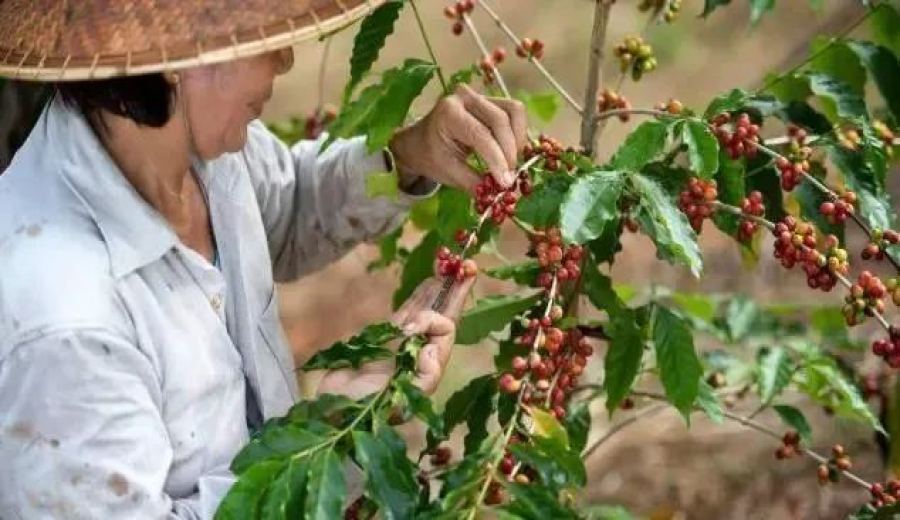
Introduction:Global coffee market demand is rebounding. As a major producing region, Vietnam has seen a slight dip in green bean prices, but overall prices remain high. In 2023, Vietnam’s coffee export revenue hit a historic high, although export volumes declined. To adapt to market changes, Nestlé announced a $100 million investment to expand production capacity at its Tri An factory in Vietnam, aiming to stabilize the supply chain and meet international demand for high-quality coffee. This article provides an in-depth analysis of current coffee price trends, Vietnam’s export performance, Nestlé’s strategic layout in the region, and key factors influencing market supply and demand.
Global coffee prices continue to rise. As a globally significant producer of both Arabica and Robusta coffee, Vietnam’s domestic green bean prices have retreated from previous highs but remain in a high-price range. Meanwhile, although Vietnam’s coffee export volume in 2023 decreased compared to the previous year, total export value reached a record high, indicating that higher unit prices and strong market demand persist. To address growing market demand, Nestlé announced a $100 million additional investment in its Tri An coffee factory in Vietnam’s Đồng Nai Province to expand production capacity and ensure stable global supply.
According to the latest data from the Vietnam Coffee - Cocoa Association (Vicofa), the estimated price of green coffee beans in the Central Highlands region currently ranges between 6.85 million and 6.95 million Vietnamese dong per ton. Although this is significantly lower than the previous peak of 70 million Vietnamese dong per ton, such prices still fall within a relatively high range, reflecting continued tightness in market supply and demand.
In 2023, Vietnam’s total coffee exports exceeded 1.62 million tons, an 8.7% decline compared to 2022. However, total export revenue grew against the trend, surpassing $4.24 billion, with a year-on-year increase of 4.6%. This “volume decrease, value increase” trend is mainly driven by rising average export unit prices — in 2023, Vietnam’s average coffee export price was about $2,614 per ton, up 14.5% from 2022. Notably, in December 2023, monthly exports reached 207,613 tons, a sharp 74% increase from November, indicating a significant surge in market demand toward the end of the year.
In response to continued market expansion, Nestlé Vietnam recently officially announced a $100 million investment to enhance production efficiency at its Tri An factory in Đồng Nai Province. This move not only helps meet the growing global demand for high-quality coffee products but also further strengthens Nestlé’s supply chain stability in Vietnam and international markets. Currently, the Tri An factory primarily produces coffee products for well-known brands including Nescafé, Nescafé Dolce Gusto, and Starbucks, exporting finished products to over 29 countries worldwide. Since its launch in 2011, Nestlé’s cumulative investment in the factory has exceeded $500 million.
Nestlé’s presence in Vietnam is not limited to the coffee sector. The company operates six production bases in the country, covering a diverse product line including coffee, cocoa, malt beverages, cooking ingredients, and bottled water. Since entering the Vietnamese market in the mid-1990s, Nestlé has been deeply rooted in the region for nearly 30 years and has gradually become a key player in Vietnam’s food and beverage industry.
Exploring the reasons behind the recent rise in coffee prices, three main factors stand out: First, the recovery in global consumption demand, especially in the post-pandemic period, where consumer interest in home brewing and ready-to-drink coffee has significantly increased; second, weather conditions have played a critical role, with major producing regions such as Brazil, Vietnam, and Colombia experiencing consecutive droughts and abnormal rainfall due to the El Niño phenomenon in recent years, leading to hindered coffee tree growth and reduced yields; third, supply chain bottlenecks caused by the Red Sea shipping crisis — attacks by Houthi militants on commercial vessels in the Red Sea have prompted many international shipping companies to reroute around the Cape of Good Hope in Africa, increasing transit times and driving up overall logistics costs.
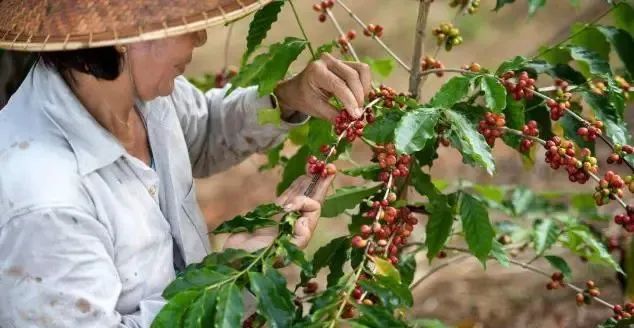
The International Coffee Organization (ICO) previously pointed out that in the 2022/23 season, due to the lingering effects of the pandemic — including rising living costs and reduced disposable income — global coffee consumption declined by 2%, with total demand falling to 173.1 million bags. However, the organization predicts that in the 2023/24 season, as the economy gradually stabilizes, global coffee consumption is expected to rebound by 2.2%, reaching a new level of 177 million bags.
Notably, the international community has recently taken action to address Red Sea shipping safety concerns. More than 20 countries, including the United States and the United Kingdom, have launched Operation Prosperity Guardian, aimed at enhancing maritime safety in the region and preventing threats to commercial vessels from armed conflicts. Once shipping risks are reduced, transportation costs and times are expected to return to normal, which may help alleviate price pressures in the international coffee market and further stabilize the global supply chain.
The above content is compiled by CoffeeHunters, a coffee news website.


