







Introduction:Decaf coffee is not a special variety, but rather coffee with reduced caffeine content achieved through specific processes. This article delves into the natural caffeine differences between Arabica and Robusta, explores the impact of altitude on caffeine levels, and provides a detailed look at the two sources of decaf coffee—naturally low-caffeine beans and mainstream decaffeination techniques—focusing particularly on the principles and flavor trade-offs of the Swiss Water Process. It also analyzes why decaf coffee often has a milder flavor profile, helping you make a smarter choice based on your needs.
So-called decaf coffee does not refer to any particular coffee variety, but generally denotes products with significantly lower caffeine content than regular coffee beans. In the market, the most commonly encountered coffee varieties are Arabica and Robusta, which have notably different caffeine contents.
Generally speaking,Arabica contains about 0.9% to 1.4% caffeine, averaging around 1.2%; whileRobusta has a much higher caffeine content, ranging from 1.8% to 4%, averaging about 2.2%—almost more than double that of Arabica. Additionally, a Bourbon variety known as "Laurina" or "Puny Bourbon," grown on Réunion Island, has been found to contain only about half the caffeine of regular Arabica, representing one of the early concepts of low-caffeine coffee.
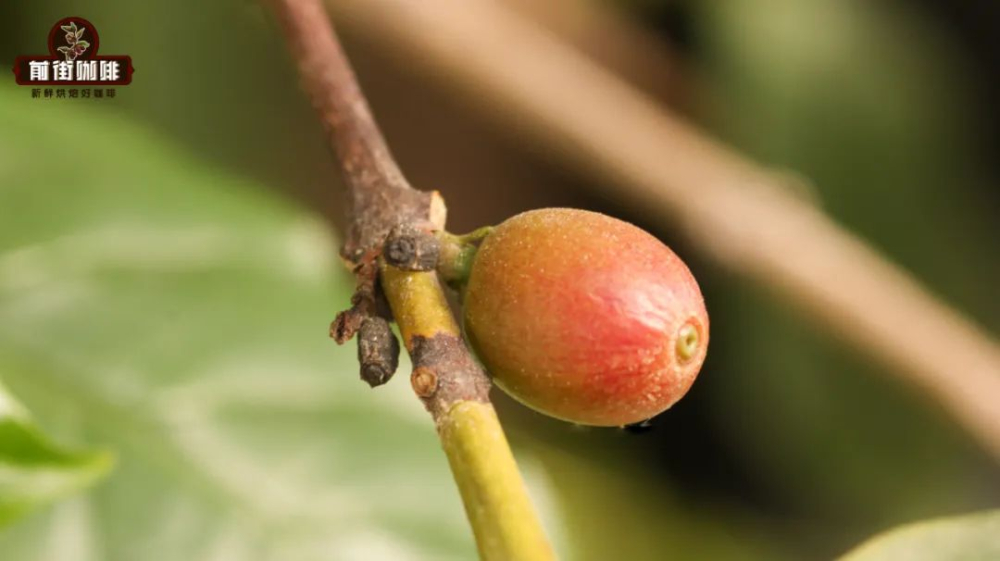
Caffeine not only serves to energize people but also plays an important role for the coffee plant itself. During the growth of coffee cherries, caffeine acts as a "defense mechanism" that helps fend off pest attacks. Therefore, the number of pests in the growing environment directly influences how much caffeine the coffee plant produces. Typically,the higher the altitude, the cooler the climate, and the less active the pests, the less caffeine the coffee plant needs to produce; conversely,in low-altitude areas where pests are more prevalent, the caffeine content is naturally higher. This is also one of the reasons why Robusta is commonly grown at low altitudes and has a caffeine content far exceeding that of Arabica.
So, where does decaf coffee come from? There are mainly two methods: naturally low-caffeine beans and regular coffee beans that have undergone artificial decaffeination. You might wonder, if there are naturally low-caffeine varieties, why is artificial processing still needed?
The reason is quite practical: naturally low-caffeine coffee beans, due to their low caffeine content, are also relatively weaker in resisting pests and diseases, making them more susceptible to damage during cultivation, especially in low-altitude regions where survival is nearly impossible. Although high-altitude environments have fewer pests, there is still some risk, so cultivating such low-caffeine coffee is extremely challenging and at one point faced the threat of extinction. Moreover, even when successfully grown, the yield is extremely limited and cannot meet the growing global demand for decaf coffee. Therefore, the "decaf coffee" sold in the market today mostly refers toproducts made by removing most of the caffeine from regular coffee beans using artificial techniques.
Currently, mainstream decaffeination methods can be divided into three categories: supercritical CO₂ process, Swiss Water Process, and indirect or direct solvent-based methods. Among these,the Swiss Water Process is the most widely used and is considered a more natural and eco-friendly method. The following explains its working principle in more detail.
The Swiss Water Process was first developed in the late 1970s by the Swiss company Coffex. The process generally works as follows: First, green coffee beans are soaked in hot water, during which the caffeine gradually dissolves into the water along with many flavor compounds. Next, this caffeine- and flavor-rich liquid is passed through an activated carbon filter, which selectively adsorbs the caffeine molecules, effectively filtering out the caffeine while retaining most of the flavor compounds. Finally, this caffeine-free but flavor-rich "processing water" is reused to soak new green beans. Since the water already contains various flavor components, the flavor substances released by the new beans are suppressed by the existing elements in the water, and only the caffeine is released and subsequently filtered out by the activated carbon. Repeating this process effectively reduces caffeine content while relatively preserving more of the original flavors.
However, even though the Swiss Water Process is relatively gentle, it still cannot completely avoid slight flavor loss. After all, during the process, the contact time and conditions between the coffee beans and certain volatile aromatic compounds are limited, which explains why many consumers perceive decaf coffee as generally having a more "muted" flavor profile.
Whether naturally low-caffeine or artificially decaffeinated, the caffeine content in decaf coffee is indeed significantly reduced. According to EU standards, decaf coffee must contain no more than 1% of the original caffeine content in the green beans; whereas the U.S. FDA requires that caffeine content be reduced to below 3% of the original level. In practice, the results of these two standards are not vastly different, and the decaf coffee ultimately presented to consumers typically contains only 1% to 3% of the caffeine found in regular coffee.
However, a more one-dimensional flavor profile is a common issue mentioned regarding many decaf coffees. One reason is that the decaffeination process, while removing caffeine, also takes away some aromatic and flavor compounds. Additionally,caffeine itself is also one of the important contributors to the bitterness of coffee, and an appropriate level of bitterness helps balance the overall flavor and enhances the taste's dimensionality. Once this element is missing, the overall drinking experience can become flat, lacking depth and variation.
In summary, decaf coffee offers a compromise for consumers who wish to reduce their caffeine intake but do not want to give up the coffee drinking experience. Whether for health considerations, doctor’s advice, or bedtime consumption needs, understanding the sources, process differences, and flavor characteristics of decaf coffee can help you make a choice that better suits your needs.

The above content is compiled by CoffeeHunters, a coffee news website.


