








Introduction:Did you know that over 98% of a pour over coffee is water? Water quality not only affects extraction efficiency but also directly determines the final flavor profile of the coffee. This article delves into how key components such as pH, calcium & magnesium ions, and bicarbonates in water influence the balance of acidity and sweetness as well as the release of aroma in coffee. Through practical tests comparing pure water, spring water, and mineral water in brewing, it helps you choose the most suitable water for your brew.
In a cup of pour over coffee, water accounts for over 98% of the total composition. The choice of water directly shapes the overall flavor profile of the coffee. That’s why, although often overlooked, water is actually the second most important factor affecting coffee taste, right after the coffee beans themselves.
There are many types of water available on the market, from tap water and purified water to various bottled waters. Which one is actually suitable for brewing coffee? This article will explore how factors such as pH level and mineral composition affect coffee extraction, and provide actual comparative data to help you find the best brewing water solution tailored to your preferred flavor.

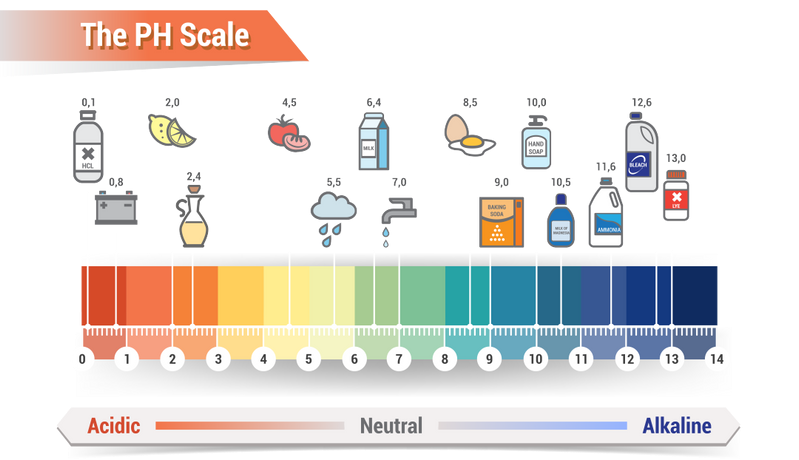
When it comes to brewing water, it's essential to first understand several core concepts: pH value (acidity or alkalinity), hardness (primarily determined by calcium and magnesium ions), and bicarbonate content. Among them, pH is an indicator of how acidic or alkaline a water solution is, ranging from 0 to 14, with 7 being neutral. Coffee typically has a pH between 5 and 6, making it a weakly acidic beverage. If you use water with a higher pH (alkaline, pH >7) for brewing, it may neutralize some of the coffee's acidity, resulting in a smoother and more balanced overall taste. The industry generally recommends keeping the brewing water’s pH between 6.5 and 7.
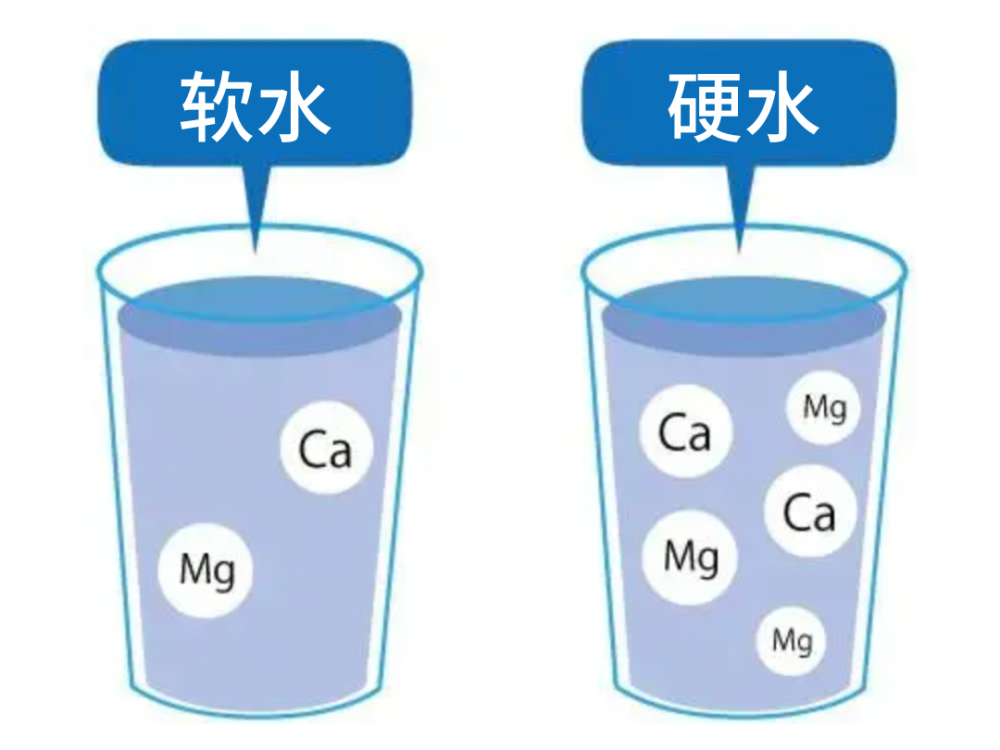
Water that looks clear and colorless actually contains various dissolved substances, just in varying concentrations. For example, seawater is rich in ions such as sodium, potassium, calcium, magnesium, and strontium — which is also why seawater looks "impure." Although the mineral content in everyday water is low, it is enough to alter the water’s “hardness,” thereby influencing coffee flavor.
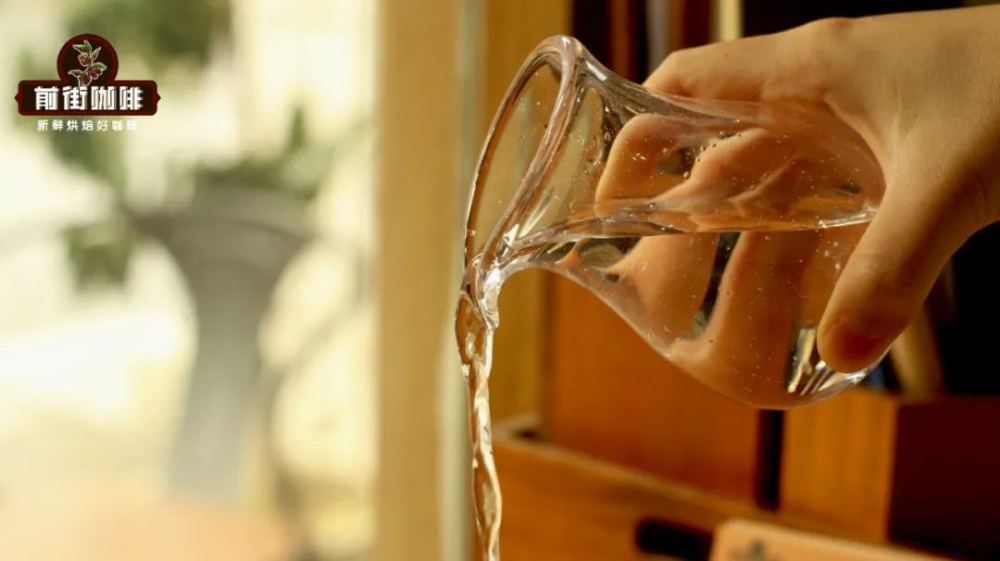
Among the many water quality factors that affect coffee extraction, magnesium, calcium, and bicarbonates are the three most crucial elements. Calcium ions in water help improve the extraction efficiency of acidity, making the coffee’s sour notes clearer; magnesium ions, on the other hand, promote the release of sweetness and aroma, making the overall flavor more multidimensional. Therefore, brewing water should contain an appropriate amount of both calcium and magnesium to fully bring out the layered tastes of coffee.
Many people wonder: can tap water at home be used to brew coffee? In most common scenarios, tap water is usually not the first choice. For instance, in certain regions, the hardness of tap water may be in the range of 150–180 ppm, which is considered moderately soft, but it may still contain trace amounts of chlorine. This not only suppresses coffee aroma but can also introduce unpleasant bitterness or astringency, and may even lead to noticeable limescale buildup inside kettles.
Since tap water has so many limitations, which type of bottled water performs better? We’re talking about purified water, spring water, and mineral water. To find out, we used the same brewing parameters and brewed two representative coffee beans with each of these three types of water — one with a dark roast profile featuring strong bitter notes, and another with a light roast highlighting bright acidity.
According to packaging labels, the purified water used in this test had a pH of 7.1±0.5 and a total dissolved solids (TDS) level of 0 ppm; the spring water had a pH of 7.3±0.5 and a TDS of 37 ppm; the mineral water had higher mineral content and a slightly alkaline pH. Both the spring and mineral waters fall within the neutral to weakly alkaline range, but their TDS values differ significantly.
The experimental parameters were as follows: 15 grams of coffee grounds, a brew ratio of 1:15, using both Jamaican Blue Mountain No.1 and Kenyan AA as representative beans. Water temperature was adjusted based on roast level (around 88°C for dark roast, around 91°C for light roast). Grind size was set to between 75%–80% passing rate through the coffee machine’s filter, using a three-stage pouring method with 30g, 95g, and 100g of water poured in sequence. Total brew time was controlled between 2 minutes and 2 minutes 10 seconds.
Experimental results showed: when using purified water (TDS 0 ppm), the Blue Mountain coffee exhibited a round, sweet profile dominated by hazelnut notes, with a smooth taste but relatively weak aroma layers and body. The Kenyan coffee featured plum and black plum acidity with a hint of pear sweetness, though the acidity felt somewhat hollow and the overall aroma was not very focused. In comparison, the spring water with 37 ppm TDS delivered a more balanced and layered extraction — whether in terms of acid-sweet balance, aroma release, or overall mouthfeel, its performance was more stable.
Based on both experimental findings and daily experience, while there are many bottled water options on the market, not all are suitable for coffee brewing. If you’re aiming for a stable brewing water that also delivers good flavor, it’s recommended to choose a water source with moderate TDS and a pH close to neutral. As many coffee enthusiasts have summarized: if you’re not sure what to pick, you might as well start with Nongfu Spring.
The above content is compiled by CoffeeHunters, a coffee news website.


