








Introduction:Many coffee enthusiasts who are new to iced pour over often wonder: since iced americano is made with cold water, can iced pour over also be brewed directly with ice water? This article delves into the extraction principles of iced pour over, explores the feasibility and challenges of brewing with ice water, and compares the similarities and differences between Japanese-style iced pour over and hot pour over. It also provides detailed parameter settings for both hot and iced pour over, and shares the results of an actual ice water brewing test to help you master the core techniques and flavor characteristics of iced pour over.
When trying iced pour over for the first time, many people may have the following thought: since hot americano uses hot water and iced americano uses ice water, then if hot pour over uses hot water, can iced pour over also be extracted directly with ice water? At first glance, this reasoning seems logical, but the extraction principles behind pour over coffee are actually more complex than they appear—it’s not as simple as just replacing the water temperature.
The essence of extraction is using water to draw out approximately 30% of the soluble flavor compounds from coffee beans. However, not all of these soluble components are ideal for dissolving into the coffee liquid—if all of them were extracted, it could easily lead to excessive bitterness and astringency, negatively affecting the overall flavor balance. On the other hand, under-extraction will result in a coffee that tastes weak and dull, lacking depth. Therefore, precisely controlling the extraction yield is key to making good pour over coffee.

In practical operation, the main variables that affect extraction quality include: time, grind size, brew ratio (coffee to water), and water temperature. These four factors are interconnected, and adjusting any one of them may require fine-tuning the others to maintain overall stability and balance in the extraction.
So, is it really not feasible to use ice water for iced pour over in theory? It’s not entirely impossible. With significant adjustments to various parameters—such as extending the extraction time or altering the grind size—it is still possible to produce a cup of coffee with decent concentration. However, this approach is not only time-consuming but also extremely taxing on one’s patience—imagine extracting a 200ml cup of coffee drop by drop using near 0°C ice water; the entire process could take nearly two hours, which is highly impractical for most coffee lovers.
Moreover, even if you manage to complete the process, the extremely low water temperature severely hampers extraction efficiency, preventing many important flavor compounds from being effectively released. As a result, although the final product might barely meet the desired concentration, its overall flavor performance is often greatly compromised—possibly ending up as nothing more than “ice water with a hint of coffee flavor.”
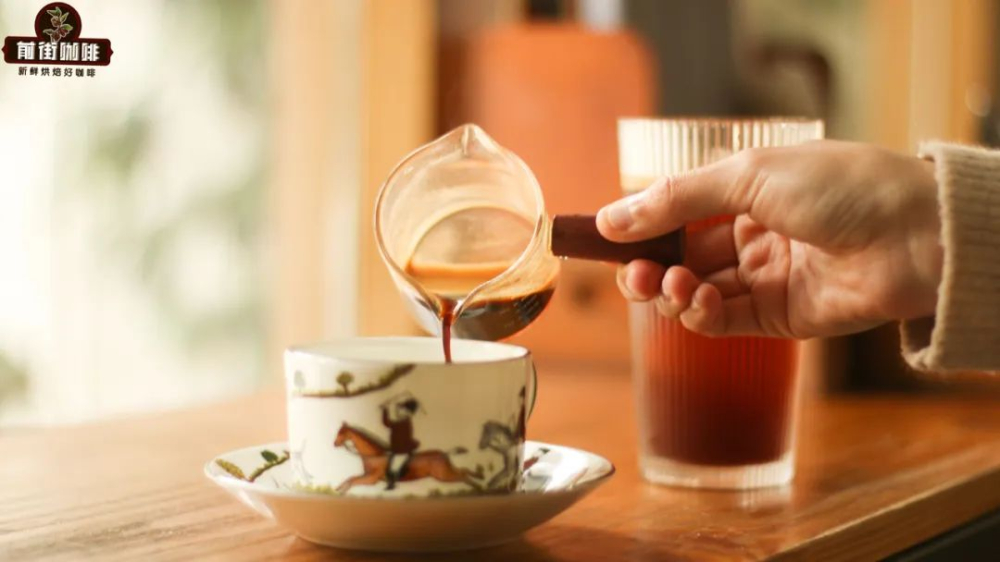
In short, while ice water extraction is not entirely unfeasible, it is highly impractical and typically delivers subpar flavor. Therefore, the common method for making iced pour over is still to perform the primary extraction with hot water, followed by cooling it down with ice cubes. This approach balances extraction efficiency and delivers a refreshing cold taste.
To brew a cup of iced pour over with excellent flavor, one must first understand the basic principles of hot pour over. The most common method of iced pour over on the market today—Japanese-style iced pour over—is actually evolved from traditional hot pour over. The standard hot pour over process already extracts a wide range of flavor compounds effectively, laying a solid foundation for the coffee’s taste.
The key difference in Japanese-style iced pour over lies in reducing the proportion of hot water used for immediate extraction and replacing it with ice. By lowering the extraction temperature, it adjusts the final flavor profile. However, since less hot water is poured in, maintaining the original grind size and extraction parameters could easily lead to under-extraction. Therefore, adjustments must be made to the grind size, brew ratio, and pouring strategy to enhance the extraction intensity per unit of liquid, ensuring that each drop of coffee carries sufficient flavor concentration. This concentrated coffee is then diluted by ice, ultimately achieving a flavor profile similar to that of hot pour over.
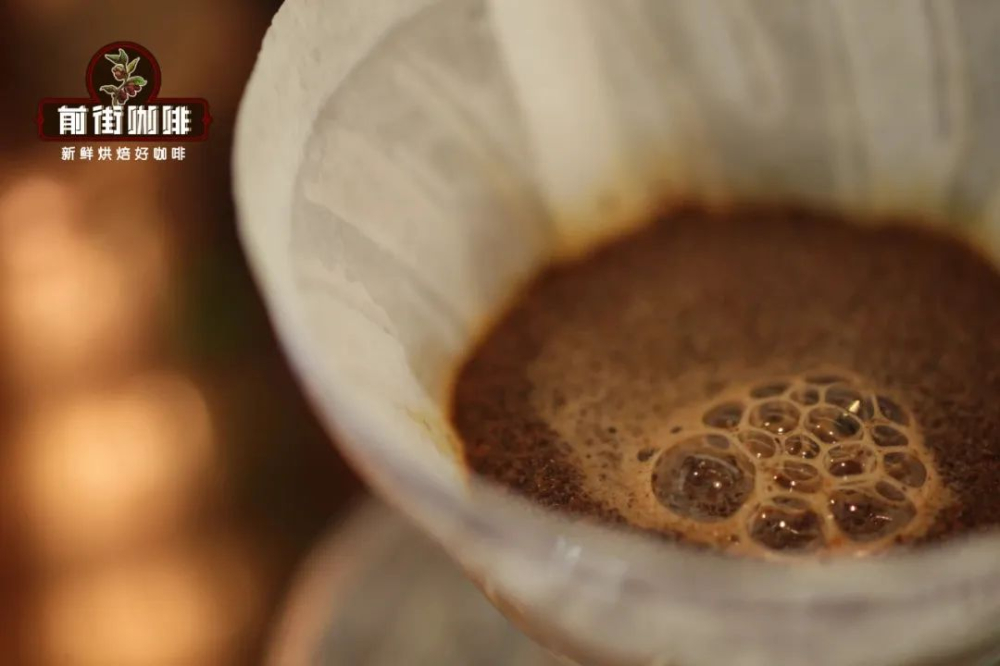
Below are the reference parameters for hot pour over and iced pour over provided by a coffee brand, for readers to use as a guide during actual brewing:
Hot Pour Over Parameters:
Coffee Grounds: 15g
Brew Ratio: 1:15
Grind Size (using EK43 grinder):
- Light roast beans: 10 setting (approximately 75% extraction through a #20 sieve)
- Dark roast beans: 10.5 setting (approximately 70% extraction through a #20 sieve)
Water Temperature:
- Light roast beans: 92°C
- Dark roast beans: 88°C
Brewing Method: Three-pour technique
Iced Pour Over Parameters:
Coffee Grounds: 15g
Brew Ice Ratio: 1:10:6
Grind Size (using EK43 grinder):
- Light roast beans: 9.5 setting (approximately 80% extraction through a #20 sieve)
- Dark roast beans: 10 setting (approximately 75% extraction through a #20 sieve)
Water Temperature:
- Light roast beans: 92°C
- Dark roast beans: 88°C
Brewing Method: Three-pour technique
For a deeper understanding of how water is distributed across the three stages in the three-pour technique, please refer to advanced brewing guides.

To test the feasibility of direct ice water extraction, a coffee brand also conducted an actual ice water pour over experiment under the following conditions (strongly not recommended for general readers to replicate): using an easily extracted dark roast bean—Golden Mandheling—along with an extremely fine grind (similar to espresso grind size), 20g of coffee grounds, a brew ratio of 1:15, water temperature at 0°C, and a three-pour technique for extraction.
The entire extraction process took 2 minutes and 15 seconds. The resulting coffee had a flavor profile resembling “ice water with a hint of coffee,” with almost no noticeable layers or aroma. Only a faint bitterness and cool sensation remained, failing to showcase the complex flavors that iced pour over should deliver.

In summary, although iced pour over might seem like it could be done with ice water alone, the reality is that the extremely low water temperature leads to very poor extraction efficiency. The process is difficult, time-consuming, and yields suboptimal flavor. Therefore, the most practical and flavor-rich method remains the Japanese-style iced pour over, where hot water is used for the main extraction and ice is added for cooling. By carefully adjusting grind size, brew ratio, and pouring strategy, you can still enjoy a refreshing and layered iced pour over coffee.
The above content is compiled by CoffeeHunters, a coffee news website.


