







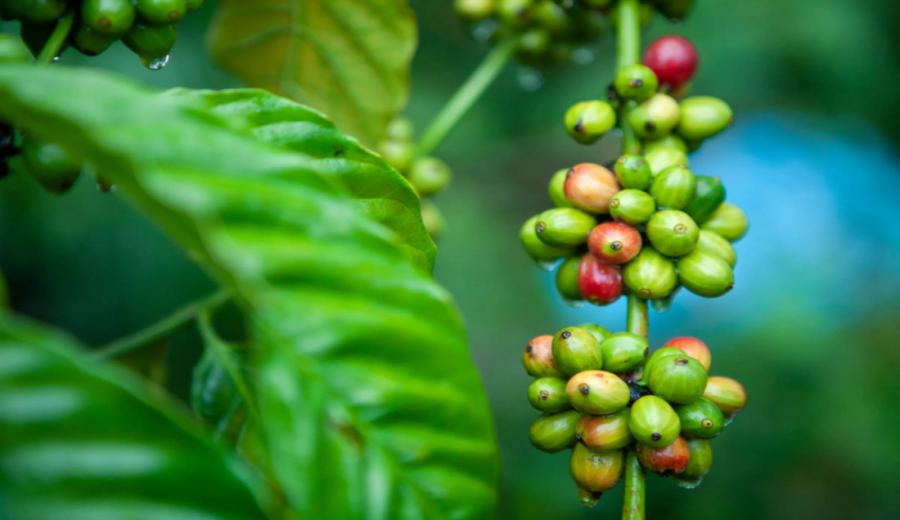
Introduction:Faced with the dual challenges of rising global coffee demand and climate change, the breeding and upgrading of Robusta varieties has become an urgent priority. The international coffee organization WCR has launched a new breeding network and initiated the trial planting of the disease-resistant KR series in Uganda, delivering nearly 50,000 healthy seedlings to local farmers. This article delves into the current state of the Robusta industry, the challenges in its breeding, and the key progress and practical insights from the Ugandan trial project.
Robusta’s share of global coffee production has steadily increased from around 25% in the early 1990s to 40% today, reflecting a continuous expansion in market demand. However, compared to the growth in consumer markets, the progress in Robusta variety breeding and improvement has long lagged behind, becoming a hidden concern in the supply chain. According to forecasts by the World Coffee Research (WCR), if consumption demand continues to rise—coupled with the impact of the climate crisis—global coffee supply could face a severe shortage in 2024.
Over the past few decades, Robusta has emerged as a crucial pillar of the coffee market, with its production share growing from 25% to 40%, and future demand still showing potential for further growth. Nevertheless, although Robusta generally outperforms Arabica in terms of resistance to pests, diseases, and environmental adaptability, it is not entirely immune to the threats posed by climate change, diseases, and pests. More critically, many major Robusta-producing regions have long lacked systematic breeding and variety improvement programs, leading to insufficient resilience. As a result, WCR has decided to strengthen research on Robusta breeding and establish a global breeding network through international collaboration.
WCR points out that if coffee consumption continues to rise along with the impacts of the climate crisis, the world may very well face a Robusta supply shortage in 2024. Currently, global Robusta production is highly concentrated in six major countries, which together account for 95% of the world’s total output. However, these regions are also vulnerable to climate fluctuations, which can lead to yield declines and market supply-demand imbalances.
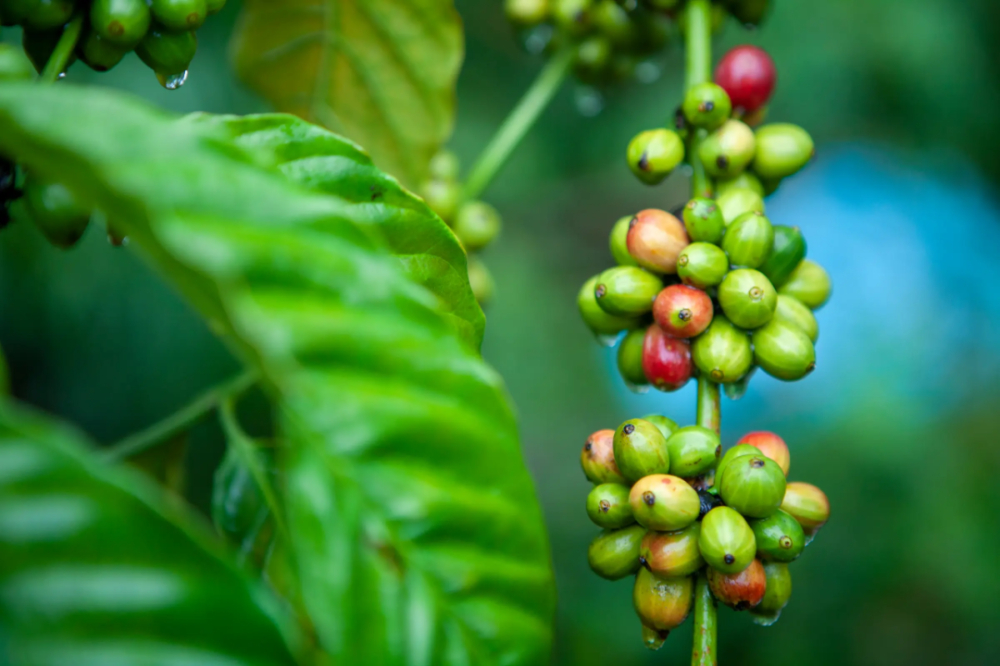
To break the current deadlock, WCR has obtained a large amount of Robusta genetic material from the International Center for Agriculture Research in the Dry Areas (CIRAD) and has completed preliminary analysis and research. These valuable genetic resources will be used in the upcoming Robusta breeding program, aiming to develop new varieties with stronger disease resistance, adaptability, and higher yields. The program will collaborate with major producing countries to build a global breeding network, enabling partners to utilize this material for hybrid breeding and further drive commercial application.
Notably, WCR has already launched a Robusta planting trial project in Uganda, with the goal of improving local supply stability and variety improvement capacity. In the initial phase, WCR provided Uganda with the Robusta (KR) 1–10 series of coffee tree varieties, which exhibit significant resistance to Coffee Wilt Disease (CWD) and leaf rust, helping farmers reduce losses and increase income. The long-term goal of the project is to deliver 100,000 healthy Robusta (KR) seedlings to farmers while simultaneously strengthening local nursery management, cultivation techniques, and the dissemination of disease resistance knowledge.
To ensure the successful implementation of the technology, WCR has also partnered with the Uganda Coffee Development Authority (UCDA) to provide professional training on Robusta grafting techniques for UCDA extension officers across the country. To date, nearly 50,000 Robusta (KR) seedlings have been successfully delivered to farmers, accompanied by detailed variety management recommendations to help them master key cultivation techniques, ensuring the healthy growth of the seedlings and stable future yields.
The above content is compiled by CoffeeHunters, a coffee news website.


