








Introduction:With its classic design and versatile brewing capabilities, the V60 dripper has become an essential tool for home and professional pour over enthusiasts around the world. What are the advantages of its 60° cone angle and spiral ridges? Why is it particularly well-suited for highlighting the nuanced flavors of light roast coffee? This article delves into the design philosophy and practical techniques behind the V60, and teaches you how to choose the most suitable material version based on your needs.
In the world of pour over coffee, the V60 dripper is undoubtedly a top choice for many beginners and one of the classic tools frequently used by seasoned enthusiasts. Designed by Japan’s Hario company, this dripper stands out with its unique 60° conical angle and spiral rib structure, effectively balancing brew flow rate and flavor extraction. Since its redesign and launch in 2004, it has not only become a key tool in the third wave coffee movement for pursuing delicate flavors, but also won the hearts of baristas and coffee lovers globally for its ability to quickly extract and accentuate the bright acidity and refreshing floral and fruity notes of light roast beans.

If you’re just getting into pour over coffee, asking an experienced friend which dripper to start with will likely yield one answer: “V60.” This dripper isn’t just practical and easy to use—it also boasts a minimalist yet stylish design, making it a staple in many specialty coffee shops. For shops that specialize in pour over, the V60 is often used thousands of times per year, a testament to its consistent performance and reliable extraction quality. But among so many dripper options, what makes the V60 stand out as the “crowd favorite” in the pour over community? We’ll explore everything from its history and design principles to material choices.
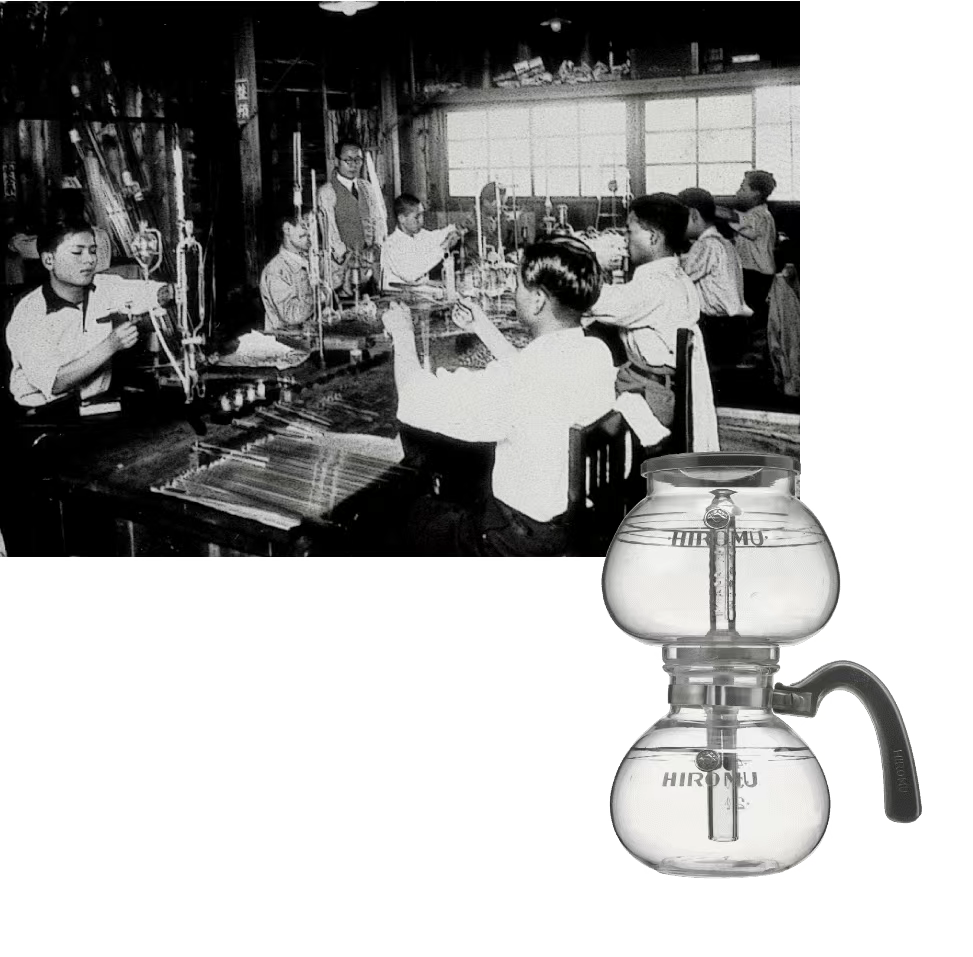
The birth of the V60 stems from the technical expertise of Hario, a major Japanese glassware manufacturer. Founded in 1921, Hario initially produced heat-resistant laboratory glassware, such as beakers and test tubes. By the mid-20th century, Hario began expanding into the home coffee equipment market, and one of its earliest products was the siphon coffee maker. At the time, mainstream brewing tools like the Melitta dripper, French press, or siphon brewers were either too time-consuming or overly complicated, failing to meet the needs of users looking for efficiency. As a result, Hario set out to develop a faster and more user-friendly dripper.
As early as 1964, Hario engineers experimented with using lab funnels for coffee extraction testing, but these efforts were never commercialized and lacked detailed records. It wasn’t until the 1980s that Hario released a drip brewer similar to the Chemex, though it received limited market response. The real turning point came in 2004 when Hario redesigned the dripper’s structure, adopting a 60° cone angle and a distinctive “V” shape, resulting in the now-familiar V60 dripper, which officially hit the market the following year. If you browse HARIO’s official historical overview, you can still see the prototype of the first-generation V60—a conical ceramic dripper with twelve toothpicks attached inside to simulate flow channels.
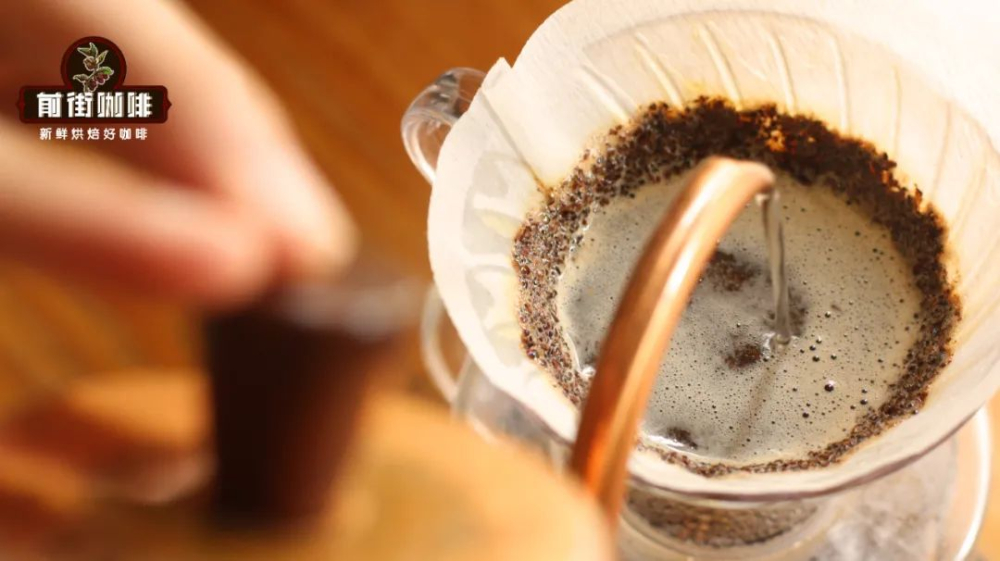
So, how does the V60 achieve excellent extraction through its structural design? First, its 60° conical shape, combined with a single central outlet hole, directs the water flow inward toward the center of the dripper before it slowly drips downward. This allows the coffee grounds to be evenly saturated, extending the contact time between water and coffee and helping to fully release aroma and flavor. Second, the large diameter of the central outlet means the flow rate is almost entirely determined by the brewer’s pouring technique. This is both an advantage and a challenge—if poured too quickly or forcefully, it can lead to under-extraction, resulting in a thin and one-dimensional cup. Therefore, mastering the flow rate and pouring rhythm is crucial for brewing a balanced, vibrant, and multi-dimensional cup with the V60.
Additionally, the spiral ridges inside the dripper are another standout feature. These unevenly spaced ribs line the inner wall of the dripper, preventing the filter paper from completely adhering to the dripper wall, which could otherwise impede proper blooming. They also allow air to circulate, enabling the coffee grounds to absorb water evenly and expand. Furthermore, this design gently compresses the coffee bed as the water flows down, enhancing the richness and complexity of the flavors while avoiding the risk of over-rapid extraction due to the large hole—thus preserving the coffee’s full character.
With the rise of the third wave coffee movement, consumers have shifted from seeking only bold, heavy dark roast profiles to exploring the unique “terroir” characteristics of different origins—like the citrusy floral notes of Ethiopian beans or the berry-like acidity of Kenyan beans. The delicate floral aromas, bright acidity, and complex fruitiness of these light roast beans are more fully expressed through the V60’s fast extraction method. In contrast, traditional slow drippers like the Melitta or KONO emphasize body and balance but may fall short in showcasing subtle acidity and fruity notes. The V60 fills this gap in the market, becoming the go-to choice for coffee lovers who crave bright and vibrant flavors.
Currently, the V60 dripper comes in various material versions, including resin, ceramic, glass, and metal (such as copper and stainless steel). Each material not only offers distinct aesthetics and tactile qualities, but also affects heat retention and overall extraction performance. Resin, for instance, is favored for its excellent heat resistance and structural stability, making it easy to maintain precise dimensions during mass production and resistant to damage from impacts—making it a top choice for many professional shops and frequent users. While resin drippers don’t retain heat as well as ceramic or glass, they do reduce the rate of heat loss, helping to maintain the ideal brewing temperature—a critical factor for achieving consistency in manual brewing.
In summary, the V60 dripper has become a classic in the global pour over community not just because of its aesthetic design, but also due to its scientifically informed structure and high degree of versatility. Whether you’re a beginner or an experienced coffee enthusiast, choosing the right V60 material and mastering the correct brewing techniques will allow you to uncover deeper layers of flavor in every cup.
The above content is compiled by CoffeeHunters, a coffee news website.


