







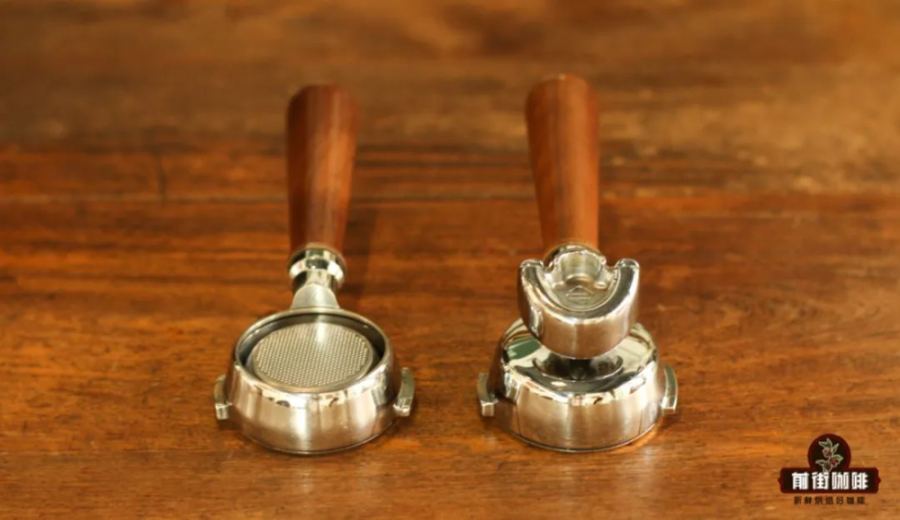
Introduction:In the production of espresso, the choice of portafilter is often a key factor affecting extraction quality. The difference between bottomless and spouted portafilters lies not only in appearance but also in extraction stability, ease of visual observation, and cleaning convenience. This article provides an analysis of the extraction performance of both designs under the same conditions through practical parameter comparisons, and delves into their respective advantages and disadvantages in application scenarios and operation, helping you make the most suitable choice based on your needs.
In daily espresso extraction, the design of the portafilter is often overlooked, yet it is actually one of the crucial elements that influence extraction uniformity and final flavor. Bottomless and spouted portafilters are two of the most common designs, but what are the real differences between them? Can a bottomless portafilter truly enhance extraction quality? Through practical test data and usage scenario comparisons, this article will take you in-depth to understand the characteristics of these two types of portafilters and provide practical advice to give you more direction in selection and use.
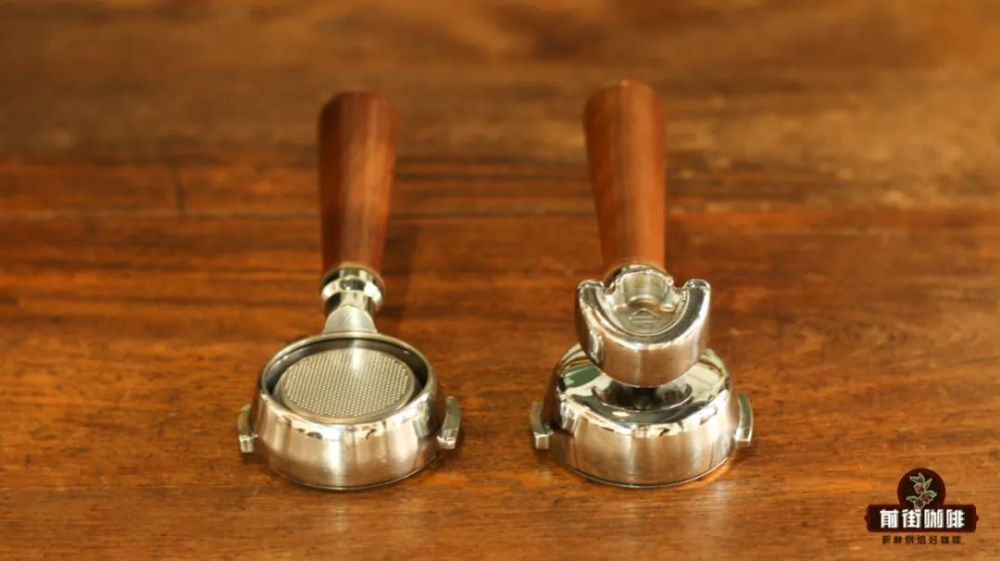
The spouted portafilter is the most traditional and common form found in espresso machines. In earlier models, most machines would come with two types: one designed for single-shot baskets with a single spout, and the other for double-shot baskets featuring a dual-spout structure. This setup originated from the past when a “single cup” of coffee typically referred to the result of a single-shot extraction; if a customer wanted a double portion, the barista would switch to a double-spout portafilter and place two cups underneath.
However, with the rise of specialty coffee concepts, most users now prefer to use a higher dose of coffee grounds, combined with shorter extraction times and less liquid output to produce espresso. As a result, the single-spout portafilter has gradually fallen out of the mainstream. Many modern espresso machines still come with both types of portafilters, but the common combination is now a bottomless portafilter paired with a spouted one, rather than the previous dual-spout setup.
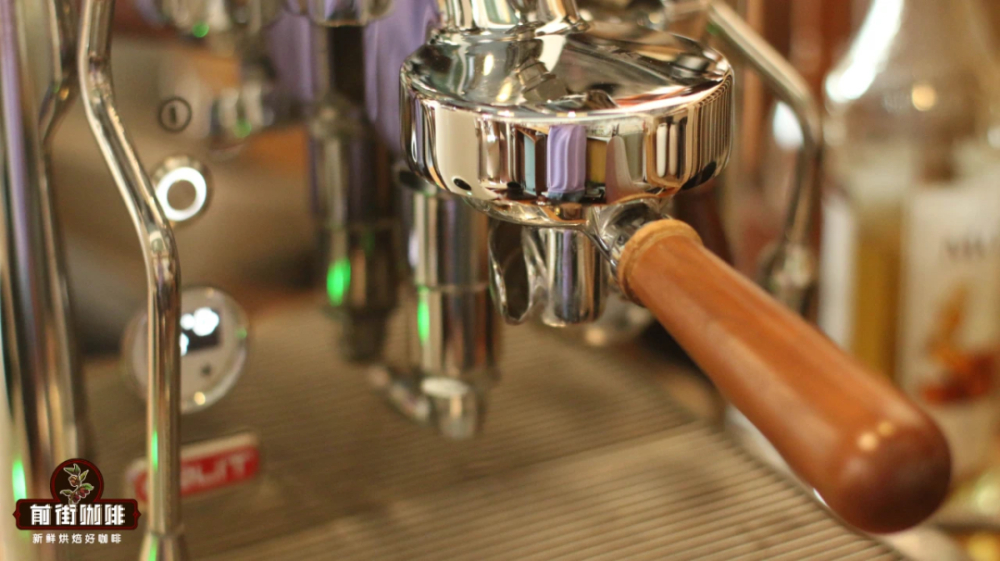
As the name suggests, a bottomless portafilter features no base plate—its overall structure is ring-shaped, with the coffee basket suspended directly in place. This design allows baristas to visually observe the extraction process, which is its most distinctive feature. So, what specific differences arise when these two types of portafilters are used under the same parameters?
This experiment used the “Sunshine Blend” beans, employing a standard 20g basket filled with 20g of coffee grounds. The grind size was set to 1.4 on the Galileo Q18, water temperature was controlled at 94°C, and the target yield was 40ml. After dosing and tamping the coffee, extraction was initiated. Since the liquid from a bottomless portafilter does not drip directly but hovers for a moment during extraction, the electronic scale cannot record all the weight in real time. In practice, we ended the extraction slightly earlier: around 38.5ml for the bottomless portafilter and 38ml for the spouted portafilter.
Both extractions maintained an extraction time of about 30 seconds, and there were no significant differences in flavor expression. Therefore, we turned our focus to other more nuanced differences. If the flavors are similar, why do some baristas and enthusiasts prefer different types of portafilters? To answer this, we need to go back to the original intent behind the design of the bottomless portafilter.
The bottomless portafilter was first developed in 2004 by Chris Davison, co-founder of the Barista Guild of America, along with his team. At that time, even when all parameters were kept consistent, some batches of extraction would yield inconsistent flavor results, and occasionally unpleasant off-flavors would appear. To address this issue, they proposed the idea of removing the base plate so that the extraction process could be directly observed, helping identify potential variables.
With this change, baristas could clearly see the flow rate, color changes, and fluid distribution of the espresso during extraction, allowing for more precise adjustments to tamping, grinding, and distribution. However, it was also observed that because the liquid flows directly out from the bottom of the basket, splashing could occur due to the height and speed of the liquid, which affected the taste and crema appearance. This also led to the first widespread discussion of the “channeling” effect.
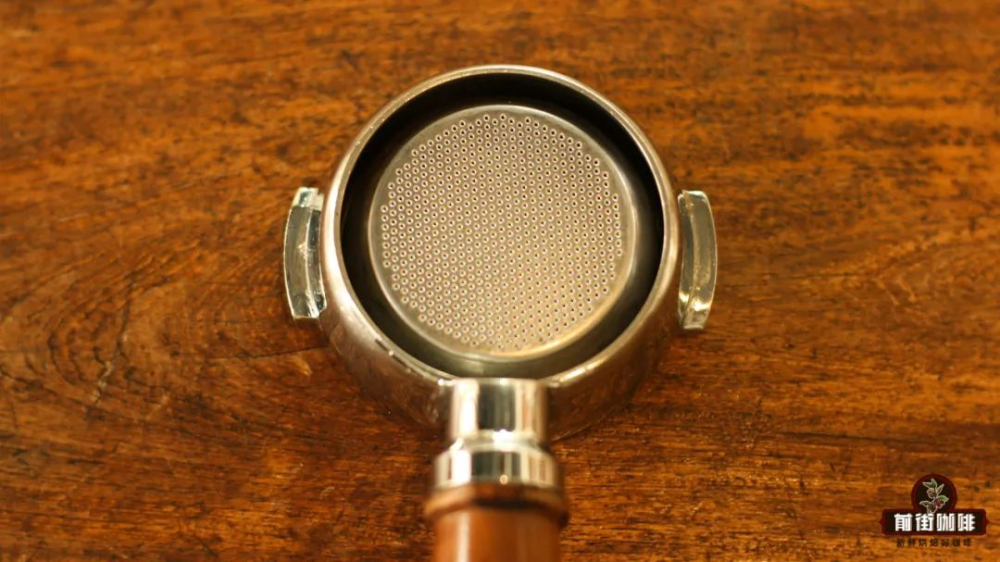
Overall, the main advantage of a bottomless portafilter is its visual transparency, which helps baristas monitor the extraction status in real time, thereby improving stability. In addition, its structure is relatively simple, not only saving workspace but also being easier to clean—making it a good choice for users who value efficiency and intuitive operation. It is especially convenient when preparing drinks like Dirty coffee, which involves direct brewing into the cup.
However, the bottomless portafilter is not without flaws. Even with standardized operation, splashing can still occur due to liquid height and speed, potentially dirtying the cup’s exterior and even affecting the final taste. Therefore, in formal service or situations where a clean rim is essential, some professionals still prefer using a spouted portafilter.
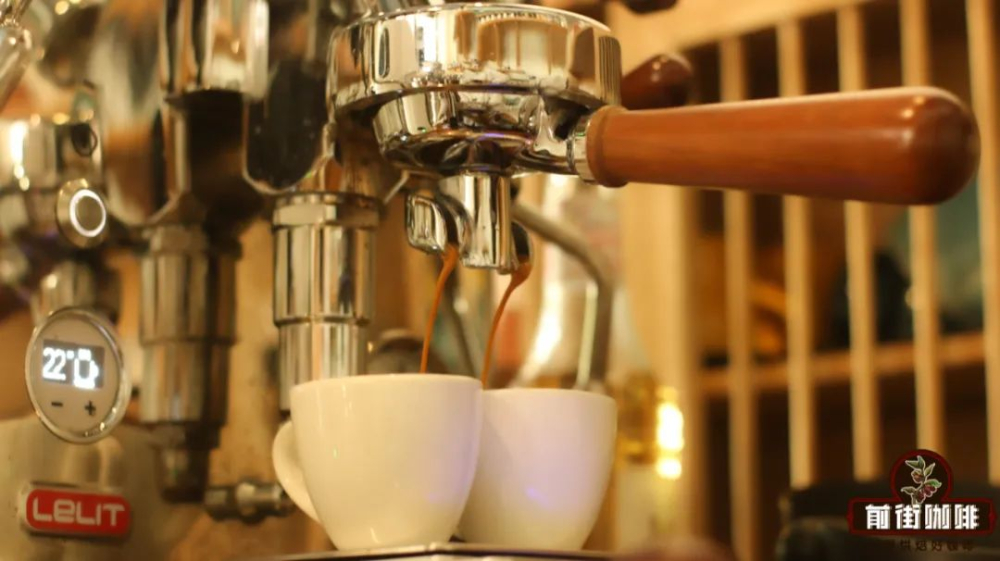
The biggest advantage of a spouted portafilter is its bottom spout design, which effectively guides the liquid’s flow, reducing the risk of splashing and ensuring the extracted coffee lands smoothly in the cup, maintaining a neat appearance. However, its downside is the more complex structure, requiring attention to residual coffee grounds and water accumulation in multiple spouts during cleaning, making it relatively more labor-intensive. Additionally, since the liquid isn’t directly visible, it offers slightly weaker capability for observing the extraction state, relying more on experience and auxiliary tools.
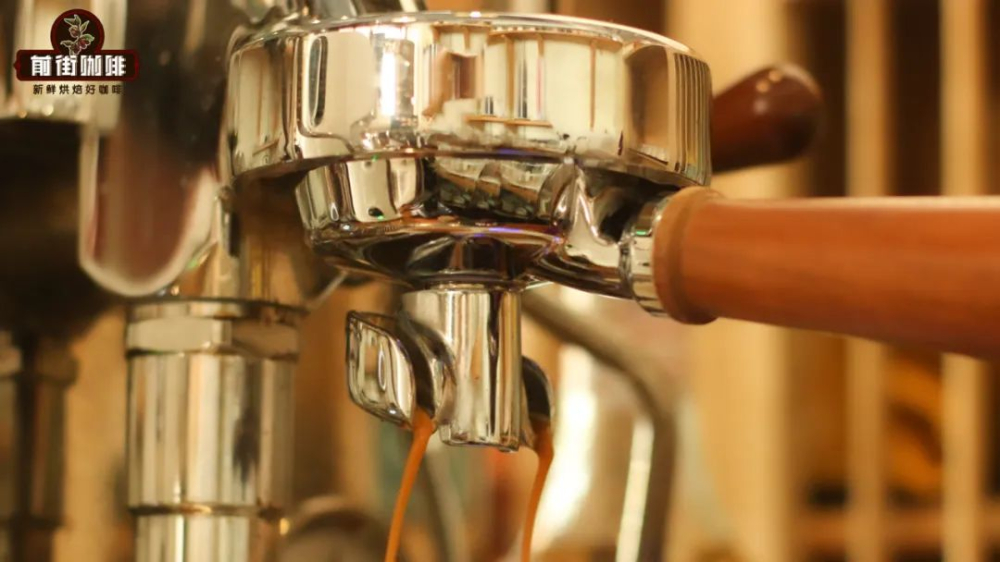
In summary, bottomless and spouted portafilters each have their strengths. The former suits users who value visual monitoring, space efficiency, and cleaning convenience; the latter is better for those seeking stable output and minimal splashing. Whichever you choose, it’s recommended to decide based on your working environment, the types of drinks you commonly prepare, and personal preference. In practice, both types are used, adjusted flexibly according to different needs.
The above content is compiled by CoffeeHunters, a coffee news website.


