







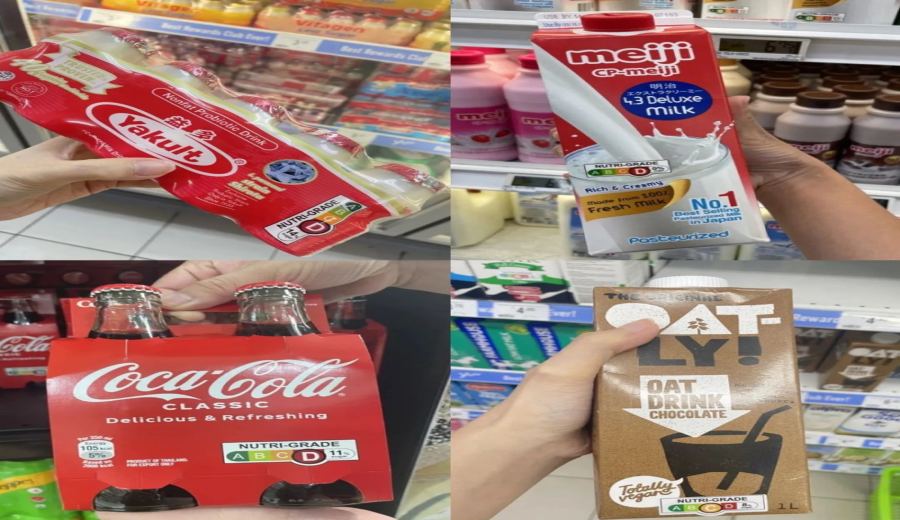
Introduction:Singapore has fully implemented the ABCD Nutri-Grade labelling system for freshly prepared beverages, requiring even ingredients like tapioca pearls and coconut jelly to display their sugar content. Luckin Coffee’s popular original coconut latte, due to its high sugar and fat content, has been classified as Grade D, while some Starbucks drinks can be downgraded by adjusting sweetness levels. This article breaks down the details of the latest regulations, explains the grading criteria, and offers expert purchasing advice to help coffee lovers strike a balance between health and flavor.
Since implementing its beverage sugar-limiting policy in late 2022, Singapore has introduced another major measure this year — extending the Nutri-Grade nutrition labels to all freshly prepared beverages. From pour over coffee and fresh milk tea to freshly blended juices, even ingredients such as tapioca pearls and coconut jelly must clearly indicate their sugar content. Chain brands like Starbucks and KOI Thé have successively updated their menus, with Luckin’s best-selling original coconut latte being rated Grade D due to excessive sugar and saturated fat. How does this scoring system work? What impact does it have on everyday lattes and black coffee? Below is a detailed breakdown of the key points of the new regulations and practical tips.
According to Singapore government regulations, starting immediately, all freshly prepared beverages must display ABCD four-tier grading labels. This includes freshly brewed coffee, milk tea, freshly squeezed juice, and other made-to-order drinks, as well as added ingredients such as ice cream and grass jelly, which must also indicate their sugar content. This policy makes Singapore the first country in the world to strictly regulate the advertising of high-sugar beverages, with restrictions even placed on the advertising of packaged and freshly prepared drinks.
Major brands currently on the market have responded quickly; for example, chains like LiHO, KOI Thé, and Ya Kun have already started displaying the corresponding grades next to their drinks. Starbucks outlets in Singapore have also recently updated their ordering systems, allowing customers to check the nutritional grade of each drink. Although most freshly prepared beverages fall into Grade C, Starbucks stated that customers can request recipe adjustments — for instance, changing a caramel macchiato to low-fat milk and reducing sweetness can downgrade it to Grade B.
Luckin’s original coconut latte has been directly classified as Grade D because it contains more than 10 grams of sugar per 100 milliliters and saturated fat exceeding 2.8 grams.. The medium thick latte, also rated Grade C, is also worth noting due to its relatively high sugar content. The ABCD grading is based on the sugar and saturated fat content per 100 milliliters of beverage:Grade A (the healthiest) contains less than 5 grams of sugar and less than 1.2 grams of saturated fat, Grade B is slightly higher but still within safe limits; Grade C exceeds 5 grams of sugar or 1.2 grams of saturated fat; Grade D contains more than 10 grams of sugar or more than 2.8 grams of saturated fat.
It is worth noting that the grading system treats the natural lactose in whole milk the same as added sugar, which means that many drinks using whole milk may still be classified as Grade C or D even without extra sugar added. The background behind Singapore’s mandatory implementation of this system is that the average daily sugar intake per person in the country is as high as 60 grams, nearly half of which comes from sweetened drinks, contributing to a diabetes prevalence rate of about 8%, with projections estimating over one million patients by 2050.
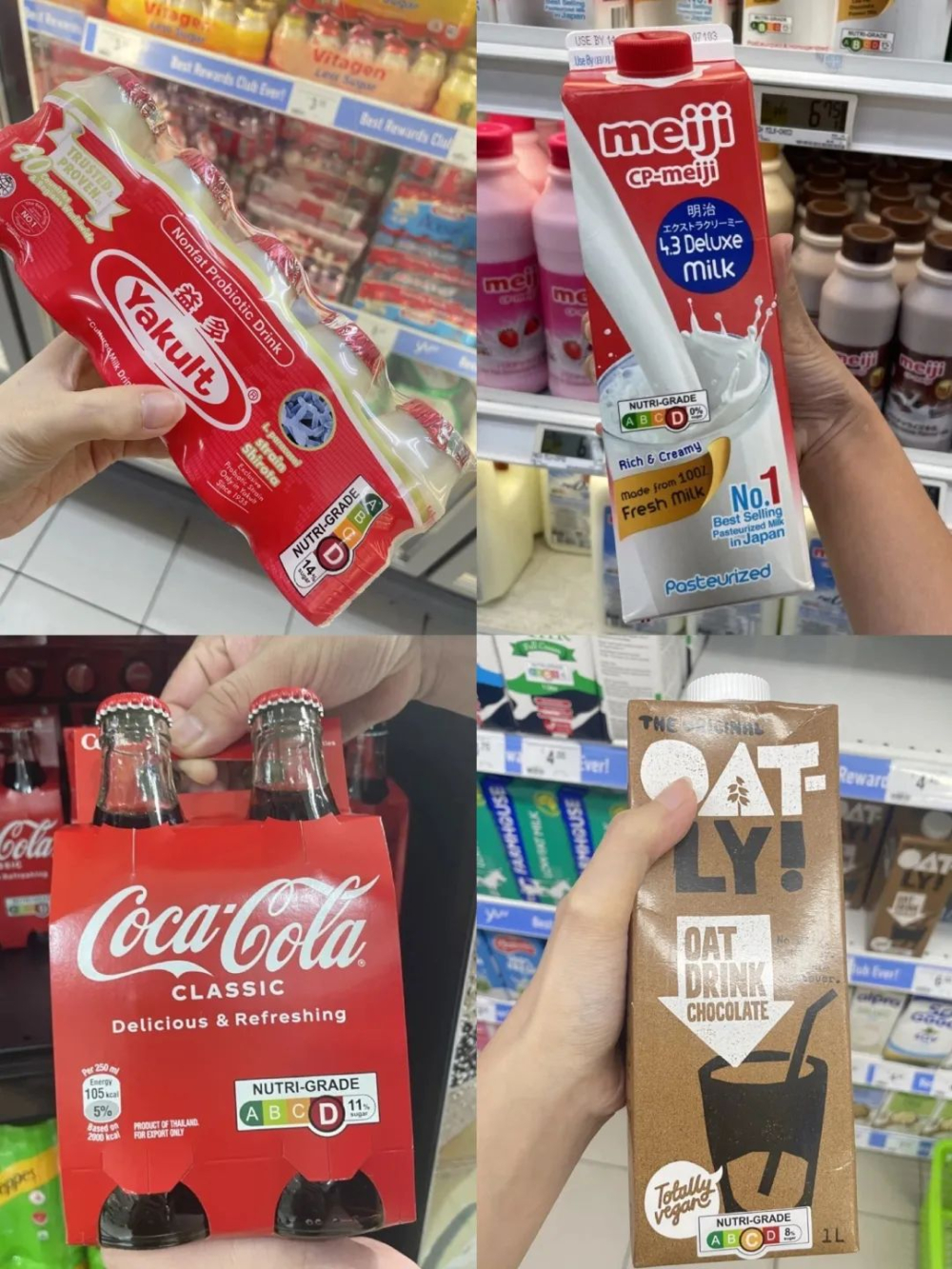
Although the grading system helps consumers identify healthier drinks, attention to detail is still needed when making actual choices. For example, unsweetened black coffee usually falls under Grade A and is the healthiest option; if you prefer milk coffee, you can follow Starbucks’ approach by proactively asking for reduced syrup or switching to low-fat milk. Professional advice suggests avoiding adding extra syrups to your daily latte — not only does this preserve the original flavor of the coffee, it also effectively controls sugar intake.
In terms of penalties for non-compliance, businesses that fail to display the grading label for the first time face a maximum fine of 1,000 Singapore dollars, with the fine increasing to 2,000 Singapore dollars for repeat violations. Grade D beverages are also prohibited from any form of advertising, while Grade A and B beverages are at the discretion of the manufacturer to display the grade. This policy demonstrates the Singapore government’s determination to combat high-sugar diets and provides a reference model for other regions around the world.
The above content is compiled by CoffeeHunters, a coffee news website.


