







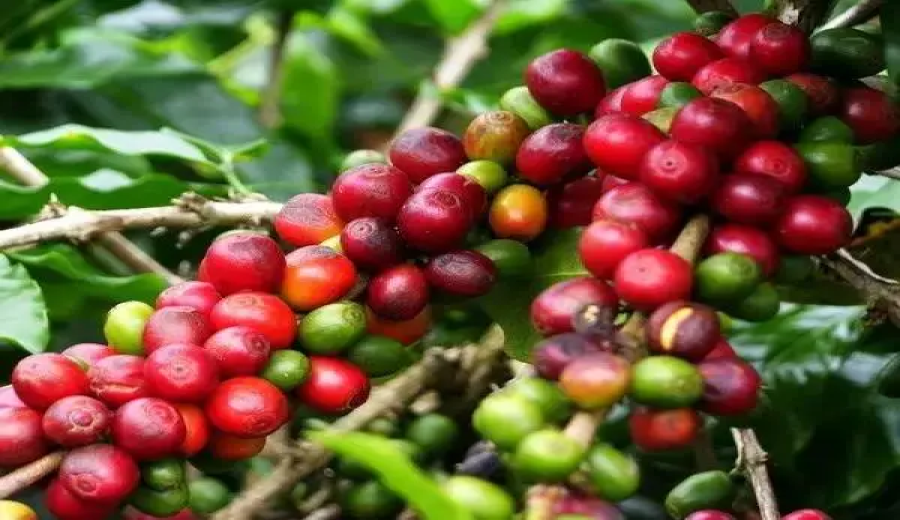
Introduction:The Ethiopian government, in collaboration with the United Nations Development Programme (UNDP), has launched a long-term initiative with an investment of $20.8 million. The program aims to promote sustainable coffee cultivation between 2024 and 2031, while also helping local producers meet the stringent deforestation regulations of the European Union (EUDR). This special feature delves into the background, scope, objectives, and benefits of the project, as well as how it facilitates the transformation of the coffee industry and maintains its competitiveness in the global market.
Ethiopia and the United Nations Development Programme (UNDP) recently announced the launch of the FOLUR project, with a total budget of $20.8 million. Scheduled from 2024 to 2031, the initiative seeks to slow down deforestation through sustainable land use strategies and enhance the sustainability of the country’s coffee sector. Beyond environmental protection, the project directly addresses the upcoming EU Deforestation Regulation (EUDR), assisting local coffee products in meeting new international market requirements.
Known as FOLUR (Food Systems, Land Use and Restoration), this project is part of a $345 million global initiative funded by the Global Environment Facility (GEF) and led by the World Bank, spanning seven years. The FOLUR program is being implemented in 27 countries, each focusing on value chain optimization and sustainable management of eight key commodities, including coffee. As a globally significant origin of coffee, Ethiopia is receiving dedicated support under this framework.
The project will run for seven years, from 2024 to 2031, with key areas covering 22 districts across four major regions: Oromia, Sidama, central Ethiopia, and the southwest. The goals include restoring10,500 hectaresof unproductive coffee-growing forest land, as well as rehabilitating and managing60,000 hectaresof critical forest areas to reduce deforestation caused by land conversion and improve the livelihoods of approximately 440,000 local residents.
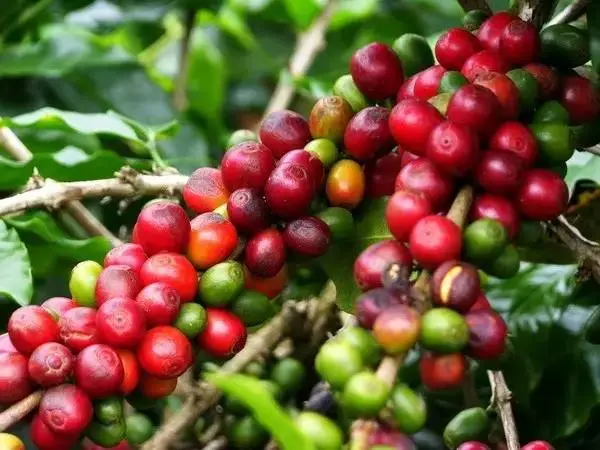
The implementation of the FOLUR project not only helps preserve Ethiopia’s precious forest resources but also has profound economic implications. Coffee is one of the country’s main sources of export revenue, accounting for about30% to 35%of total exports. With the EU’s upcoming Deforestation Regulation (EUDR), which imposes increasingly strict environmental compliance requirements on the origin of imported goods, this project provides a timely opportunity for transformation.
The EU Deforestation Regulation (EUDR) was officially enacted in recent years, explicitly prohibiting the sale in the EU market of any agricultural products linked to deforestation or forest degradation, including various tropical crops such as coffee and cocoa. The regulation includes an 18 to 24-month transition period, with full enforcement expected by the end of 2024 at the earliest. The new rules require all coffee products entering the EU market to be traceable to their origin and demonstrate that their production did not involve deforestation.
As many African coffee-producing countries are still in the developmental stages of land management and environmental traceability systems, meeting EUDR compliance standards poses challenges for numerous producers and exporters. Industry insiders note that compliance not only requires additional resources to establish tracking systems but also demands full supply chain traceability and transparency—particularly difficult for small and medium-sized coffee farmers. Ethiopia’s FOLUR initiative aims to help local coffee successfully enter high-standard markets like the EU through systematic forest rehabilitation, adjustments in production models, and market linkage support.
Notably, coffee that meets sustainable and environmental standards is gaining increasing attention from global consumers and specialty roasters. For example, many coffee brands that emphasize “pure flavor” and “origin transparency” are prioritizing beans sourced from protected ecological zones or those produced using sustainable farming methods. Classic Ethiopian origins such as washed Yirgacheffe and Aricha, known for their distinctive citrus and floral profiles, are now also favored in the market for their environmentally friendly production processes.
In summary, Ethiopia’s $20.8 million FOLUR project is not just a reforestation and environmental initiative, but also a crucial step in transforming and upgrading its coffee industry to meet international market standards. For global consumers, this means the future availability of high-quality Ethiopian coffee that retains traditional flavors while adhering to sustainable practices.
The above content is compiled by CoffeeHunters, a coffee news website.


