







Introduction:As one of the birthplaces of coffee trade, Yemen gave birth to the world-renowned Mocha coffee. This article delves into the historical origins of Yemeni coffee, its unique geographical and climatic conditions, analyzes the characteristics of major producing regions and classic varieties, and shares the distinctive harvesting and processing methods, helping coffee enthusiasts gain a more comprehensive understanding of this flavor-rich and historically significant coffee.
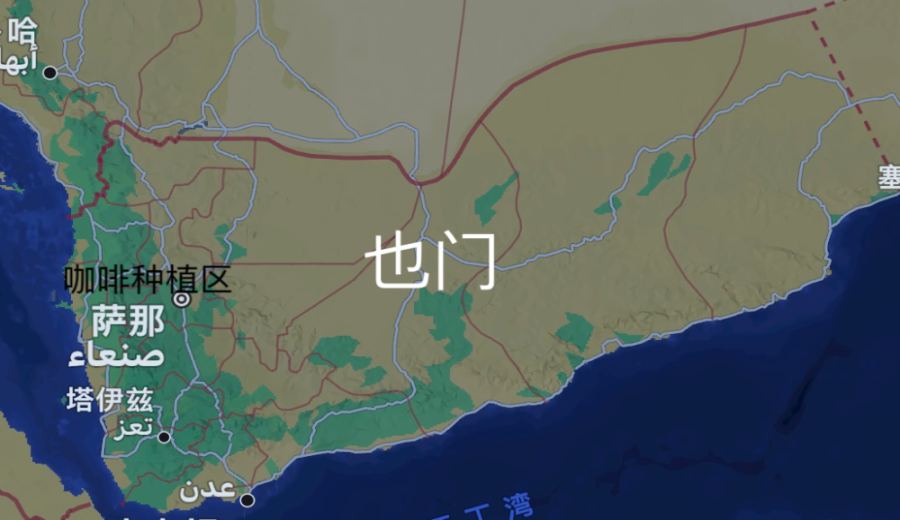
Located in the southwestern corner of the Arabian Peninsula, Yemen borders Saudi Arabia and Oman, faces Ethiopia and Somalia in Africa across the Bab-el-Mandeb Strait, and overlooks the Red Sea, the Gulf of Aden, and the Arabian Sea. The country features a mountainous and plateau terrain with diverse topography and climate, with only about 3% of its land suitable for farming. Coffee is primarily grown on high-altitude terraces, relying on manual harvesting and sun-drying processing. Although the proportion of defective beans is relatively high, the limited supply keeps prices elevated.
As early as the 15th to 16th centuries, coffee quickly flourished after being introduced to Yemen from Ethiopia. At that time, coffee exported through the port of Mocha gained the port international fame. However, due to water scarcity, only a very small portion of Yemen’s land is arable, and coffee is mostly cultivated in high-altitude terrace areas. Harvesting is entirely manual, often mixing unripe and overripe fruits, and most processing is done by sun-drying on farmers’ rooftops, resulting in its unique flavor profile but also accompanied by more defects. Despite this, strong global demand—especially from Saudi Arabia, which accounts for half of exports—has kept Yemeni coffee at a premium price point in the market.
Yemen’s coffee industry once thrived but has faced numerous challenges. The war that broke out in 2015 severely damaged transportation routes, causing freight costs to skyrocket. Coupled with volatile market prices, many coffee farmers turned to growing qat, a more economically stable crop, leading to a reduction in coffee cultivation areas.
Yemen’s terrain is complex, including mountains, plateaus, deserts, islands, and coastal plains, with significant climatic variations. The south has a hot and arid tropical climate, with distinct cool and hot seasons: the hot season runs from April to October, with average highs reaching 37°C; the cool season is from November to March of the following year, with average temperatures around 27°C. The central northern plateau, at elevations of 1,500 to 4,000 meters, enjoys a cool and pleasant climate, while the western Red Sea coast is hot and humid. Desert areas are extremely dry with drastic day-night temperature differences, dropping as low as -8°C and rising up to 39°C.
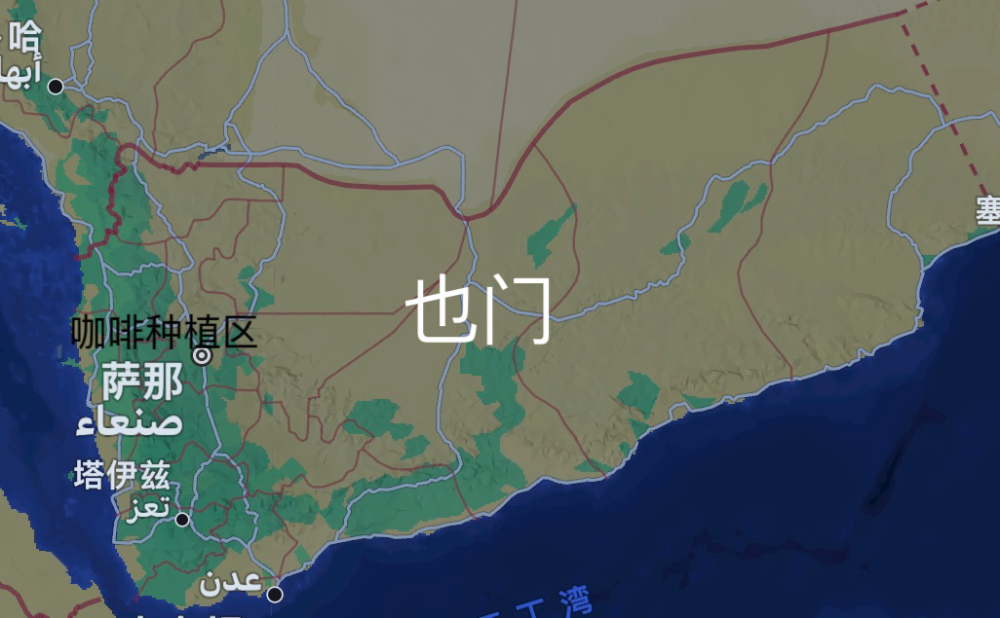
Yemen’s coffee-growing regions are typically named after administrative provinces, with several areas gaining particular market attention. The main cultivated varieties are Typica and Bourbon, along with an historically valuable ancient variety—Udaini, a Typica mutation. The coffee harvest season is concentrated between October and December each year, aligning with the harvest period in high-altitude regions.
Sana’a is a renowned high-altitude city in Yemen, where much of the exported coffee originates. With an elevation of about 2,200 meters, it is one of the highest cities in the world. The local major coffee trading market, Bani Mattar, enjoys an excellent reputation, and coffee plantations are distributed between altitudes of 1,500 and 2,200 meters.This elevation imparts the coffee beans with pronounced acidity and complex aromas..
Raymah Governorate is a recent focus area for water resource management initiatives, aiming to boost coffee production through improved irrigation and management. The region has an average elevation of about 1,850 meters and holds good cultivation potential.
Mahweet Governorate, located south of Sana’a, served as a key hub for coffee export before the 15th to 18th centuries. With elevations ranging from 1,500 to 2,100 meters, it boasts a deep coffee history and cultural heritage.
Sa’dah Governorate, severely impacted by civil war in 2004, has an average elevation of about 1,800 meters and is one of Yemen’s important coffee-producing regions. Production is currently gradually recovering.
In recent years, Yemen’s coffee industry is gradually revitalizing, with many specialty coffee enterprises investing resources to introduce advanced planting and post-harvest processing technologies, further enhancing coffee quality and international visibility. To promote Yemeni specialty coffee,a global Yemeni coffee auction will be held in January 2024, offering coffee enthusiasts worldwide the opportunity to taste these precious beans produced amidst conflict. Understanding the backgrounds of these producing regions and varieties will help consumers make more informed purchasing decisions and experience the unique regional flavors of Yemeni coffee.
The above content is compiled by CoffeeHunters, a coffee news website.


