








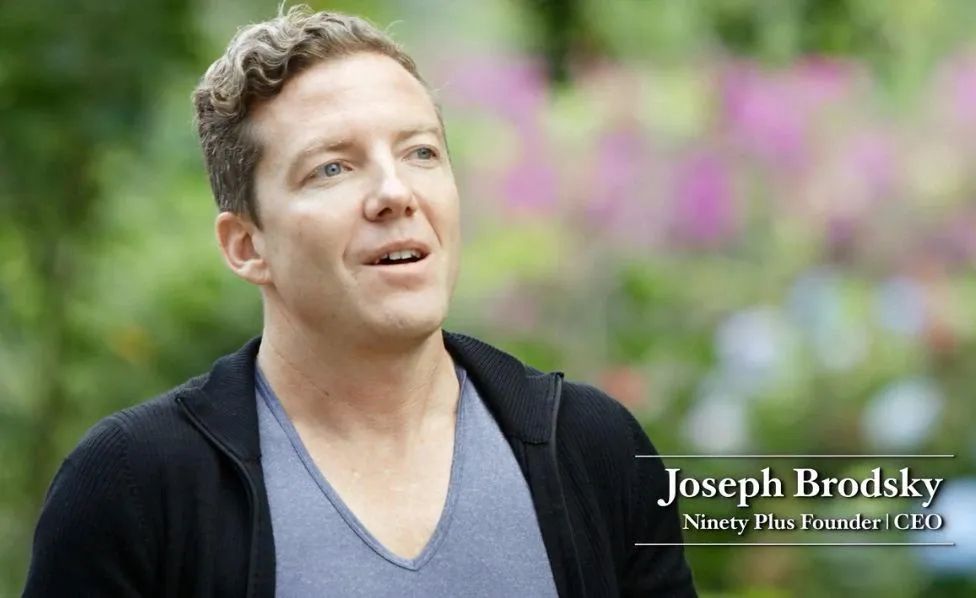
Introduction:90+ (Ninety Plus) has carved out a niche in the global specialty coffee scene with highly distinctive coffee flavor profiles such as Juliette and Eleta. But does its brand name imply that it only sells coffee beans scoring 90 points or above in cupping? This article will delve into the origins and development of the 90+ brand — from how founder Joseph Brodsky became connected to Ethiopia through Geisha, to how he leveraged innovative processing techniques to create classic beans like Ariche and Bourbonia, and eventually established his own Geisha and Barú estates in Panama.
Every coffee bean under the 90+ (Ninety Plus) label often boasts uniquely characteristic flavor profiles — for instance, Juliette with its champagne-like notes, or Eleta exuding spices and longan aromas. These unforgettable flavors stem from the brand’s meticulous processing craftsmanship and strict quality control. What kind of philosophy and techniques have made 90+ a dream brand for many coffee enthusiasts? This article unveils the story behind this U.S.-based specialty coffee company.
First, we need to clarify a common misconception: Ninety Plus is the official name of an American company, translated in Chinese as “90+”. In the coffee industry, “90+” is generally understood to mean coffee beans scoring 90 points or higher in cupping. As a result, many consumers intuitively assume that the brand name means “only selling coffee beans scoring 90 or above”. It must be said, this naming strategy is indeed thought-provoking and easily leads to associations.

Going back to 2004, when the Geisha (Geisha) variety from Panama’s Hacienda La Esmeralda won top honors at the BOP (Best of Panama) competition, showcasing astonishing aroma and complexity, it captured the intense attention of the global specialty coffee community and sparked a “Geisha craze”. Among the many influenced by this trend was Joseph Brodsky. Captivated by Geisha’s charm, he was determined to go to Panama himself in search of coffee varieties that could rival it.
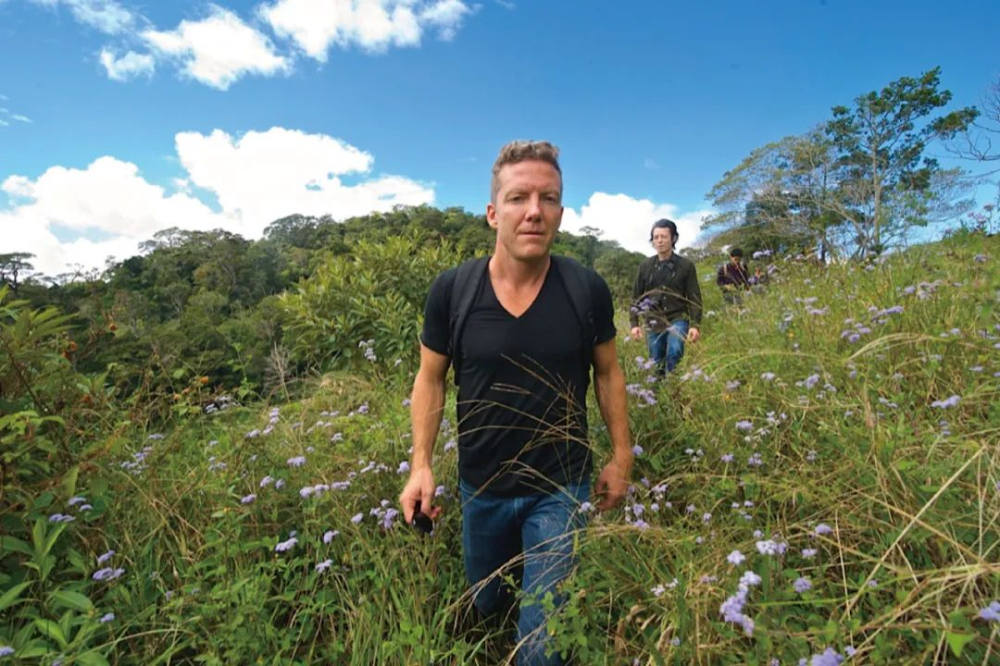
However, this coffee-sourcing trip to Panama did not yield the ideal variety he was hoping for. Faced with this setback, Joseph did not give up easily but instead changed his strategy — turning his attention to Ethiopia, a country known for its extremely high coffee genetic diversity. In 2005, he set foot on this land for the first time and was immediately captivated by its terroir, culture, and coffee potential. He subsequently decided to settle there and gradually shifted the focus of his business to the region.
In 2006, Joseph Brodsky officially founded the Ninety Plus trading company. Unlike most green coffee suppliers at the time, Ninety Plus did not simply seek and purchase already-grown premium coffee. Instead, it proactively intervened throughout the entire production chain — managing flavor profiles and introducing technology starting from the upstream planting and processing stages — to ensure the final coffee met the brand’s strict flavor standards.

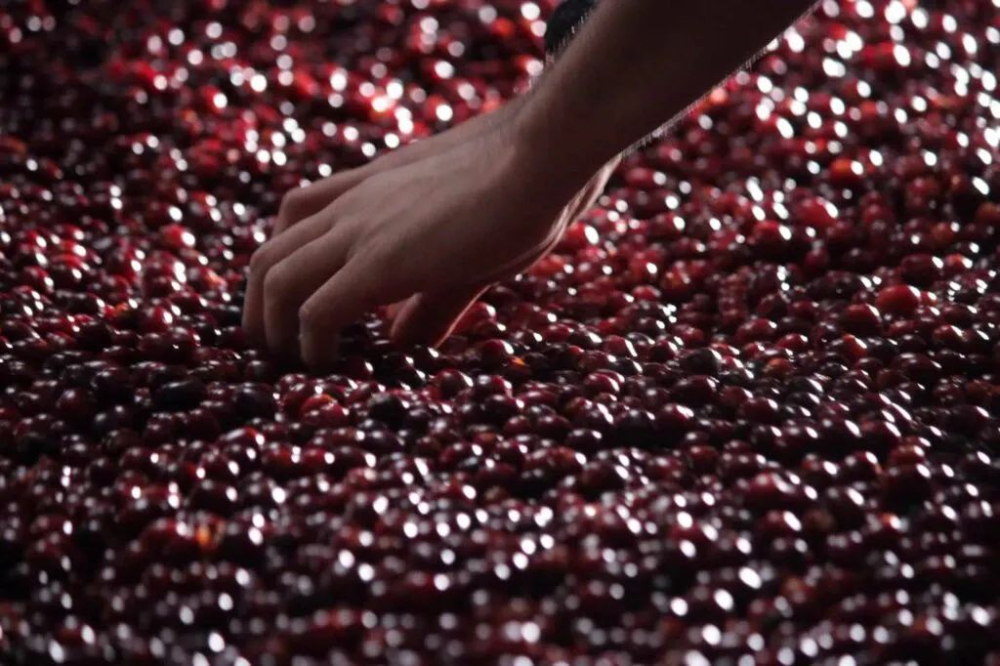
In the early days, as it did not yet own its own planting bases, Ninety Plus chose to start with the processing of coffee cherries. By carefully selecting high-quality coffee fruits and employing precise post-harvest processing techniques, it successfully developed iconic beans such as Ariche and Bourbonia. These coffees, with their rich fruit tones and layered mouthfeel, quickly caused a sensation in the specialty coffee market and established 90+’s innovative position in the industry.
With accumulated experience, Ninety Plus began collaborating with local farmers. Guided by the brand’s predefined flavor profiles, they helped farmers adjust their processing methods. Through repeated testing and selection, they ultimately produced coffee beans that met the brand’s rigorous standards. This approach — defining production strategies in reverse, starting from flavor objectives — enabled every 90+ coffee to exhibit highly consistent and outstanding flavor performance.
It’s worth mentioning that despite Joseph Brodsky’s efforts in Ethiopia, he never found a variety that could surpass Geisha. Faced with this reality, he decided to return to Geisha itself and applied the processing techniques he had honed in Ethiopia to push the potential of Geisha to its limits. In 2009, he returned to Panama with years of expertise and passion, establishing the “90+ Geisha Estate” (Ninety Plus Gesha Estate), and officially launched its first batch of coffee beans in 2014.
Within 90+’s product lineup, each coffee bean has its own unique name — often derived from a coffee professional’s intuitive first impression of that particular bean. This reflects the brand’s strong emphasis on individual flavor character. Such a naming approach not only adds a humanistic touch to the brand, but also allows consumers to more deeply appreciate the uniqueness of each coffee during tasting.
In 2019, Ninety Plus expanded its territory once again by acquiring land near Barú Volcano and establishing the “90+ Barú Estates” (Ninety Plus Barú Estates). The region is rich in volcanic soil, which provides abundant mineral nutrients that aid in the growth of coffee trees and the development of flavors. How this land will nurture new flavor surprises in the future is something all coffee enthusiasts will want to keep an eye on.
In summary, 90+ (Ninety Plus) is not just a coffee brand, but a comprehensive practitioner that starts with flavor ideals and spans the entire journey from planting and processing to brand management. From the champagne notes of Juliette, to the spice and longan flavors of Eleta, to the future potential of the Geisha and Barú estates, 90+ continues to redefine the ultimate expression of specialty coffee through innovation and perseverance.
The above content is compiled by CoffeeHunters, a coffee news website.


