








Introduction:Many coffee enthusiasts believe that extending the extraction time can make the coffee more intense, but in reality, this is a common misconception. This article will delve into the extraction principles of espresso, guide you through the flavor transitions at different extraction stages, and explain why simply extending the time does not increase concentration—instead, it may dilute the flavors—by examining the relationship between brew ratio and extraction yield. Mastering this knowledge can help you achieve a more ideal coffee extraction.
Many coffee drinkers who prefer a strong and bold taste often mistakenly assume that extending the extraction time will result in a richer, more intense cup. However, by observing the color, flow rate, and flavor changes of espresso during different extraction phases—early, middle, and late—we can see that prolonging extraction may actually dilute the coffee’s flavors rather than intensify them.
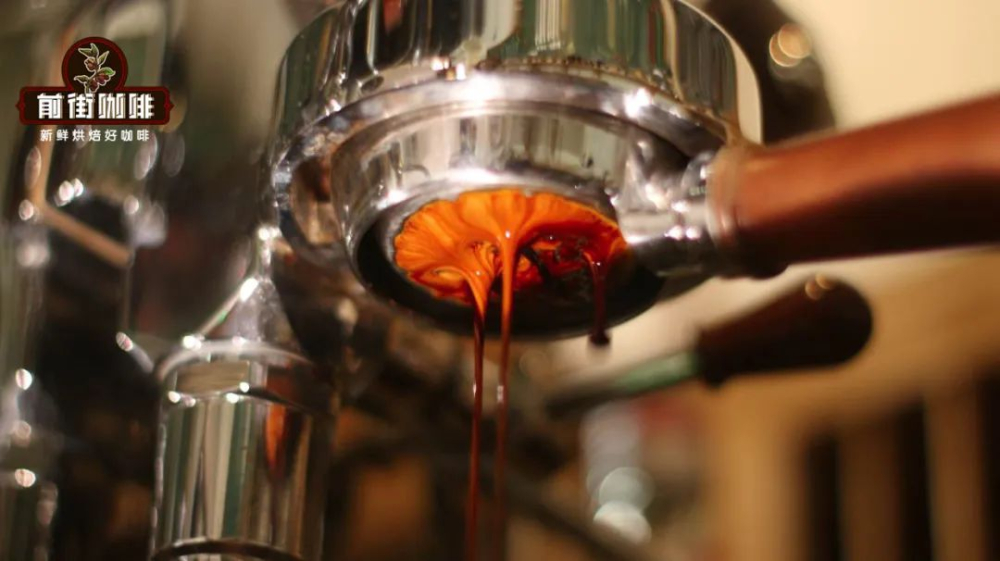
When you closely observe a complete espresso extraction process, you’ll notice that from the very first drop, the liquid is dark brown, thick, and similar to hot chocolate. This is the initial stage of extraction, where flavors are most concentrated and acidity is most pronounced. At this point, the coffee has a distinct sharp acidity, but overall, it is the most concentrated.

As extraction time increases, the liquid gradually lightens in color, trending toward golden, and the flow rate noticeably increases. At this stage, the coffee is not as concentrated as in the initial phase, and the flavors become more balanced, with better harmony among acidity, sweetness, and bitterness. But if extraction continues further, and when the scale shows the liquid volume exceeds 35 grams, the liquid color has completely turned pale yellow, while the crema on the surface of the coffee begins to turn white or even solidify. The coffee then tastes slightly bitter and light, with more noticeable sweetness, but the aroma significantly weakens, resulting in an overall profile that leans toward over-extraction.

In such experimental observations, we used different brew ratios for comparison. The most commonly recommended ratio is 1:1.5 to 1:2.5, with the standard typically being 1:2—for example, using 20 grams of coffee grounds to extract 40 grams of coffee liquid. However, in subsequent tests, brew ratios of 1:2.3 and 1:2.75 were also used, meaning a higher weight of extracted liquid, far beyond the generally advised 'optimal flavor range.'
So, how does the brew ratio affect the concentration and flavor of espresso? Simply put, the brew ratio is determined by the amount of coffee grounds used and the final weight of the extracted coffee liquid. When we fix the grind size and the amount of coffee grounds, if we continue to extend the extraction time, causing the total liquid weight to exceed the originally recommended optimal brew ratio, it means more hot water is passing through the coffee puck, extracting more soluble substances, and thus the 'extraction yield' increases.

But at the same time, because the total volume of extracted coffee liquid increases, the degree to which the coffee is 'diluted' also rises. Therefore, although the total amount of extracted substances increases, the concentration per unit volume actually decreases, and the flavor profile is not as intense as expected. In fact, it may even exhibit negative over-extraction flavors, such as woody, cardboard, or hollow notes.
Therefore, if you want a cup of espresso with intense flavors and a solid body, asking the barista to 'extract a bit longer' is actually not the right approach. This not only fails to effectively boost concentration but may also cause the entire cup to lose its intended balance and refinement.
If you wish to experience a bolder, more intense coffee flavor but don’t want to add an extra shot of espresso separately, a more suitable choice is to ask the barista to prepare a Ristretto for you. A Ristretto is a method that uses the same amount of coffee grounds as an espresso but extracts a smaller volume of liquid, typically in a ratio of 1:1 to 1:1.5, with a shorter extraction time. As a result, it delivers a more concentrated, bright, and intense coffee character, making it ideal for those who enjoy strong flavors.
In summary, there is not a simple direct proportional relationship between espresso concentration and extraction time. While extending extraction can increase extraction yield, it also increases the total liquid volume, which conversely leads to lower concentration and diluted flavors. Understanding the relationship between brew ratio, extraction stages, and flavor changes can help you adjust and achieve a coffee experience that truly matches your personal taste preferences.

The above content is compiled by CoffeeHunters, a coffee news website.


