







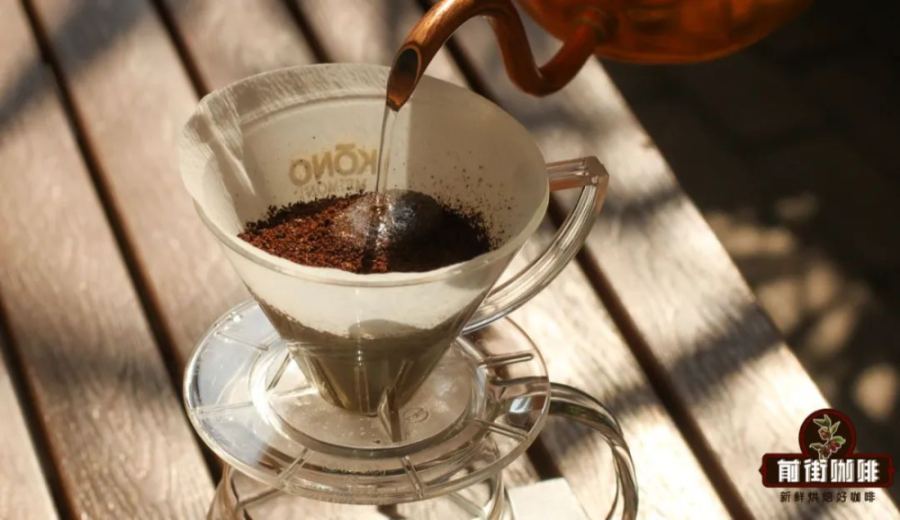
Introduction:The first step of pour over coffee—“bloom”—may seem simple, but it is actually a crucial stage that significantly impacts the overall flavor. Why do most tutorials recommend using twice the weight of coffee in water for a 30-second bloom? There’s actually scientific reasoning behind this number. This article delves into the mechanism of carbon dioxide release from coffee grounds, teaches you how to determine whether the bloom is complete by observing the coffee bed, and clarifies whether blooming counts as part of the actual extraction process. This way, you’ll no longer blindly follow the 30-second rule, but can flexibly adjust based on the characteristics of the beans.
In the pour over process, there is a commonly overlooked yet extremely important step before the actual pouring begins—blooming. This involves evenly wetting the coffee grounds with a small amount of hot water before the main pour, allowing the coffee bed to slightly expand and then resting for a period. Many beginners have heard the “golden formula” of using twice the weight of coffee in water for a 30-second bloom, but few truly understand how this timing is determined or whether blooming is truly part of the extraction. This article will start with the internal gases in coffee beans after roasting, guiding you through the principles of blooming, how to execute it correctly, as well as common mistakes and how to fix them.
Blooming is referred to as “Bloom” in English and is the preparatory step before the main pour in the pour over process. Although this step may appear static, it has a significant influence on the subsequent flavor development. Many experienced baristas or enthusiasts, through long-term practice, have developed a relatively stable and forgiving operational method: using twice the weight of coffee in hot water (for example, 30 grams of water for 15 grams of coffee), poured in a circular motion to evenly saturate the coffee bed, forming a plump “hamburger-like” mound, then letting it rest for about 30 seconds. But why twice the weight? And why do most recommend waiting 30 seconds? These numbers actually have their logic.
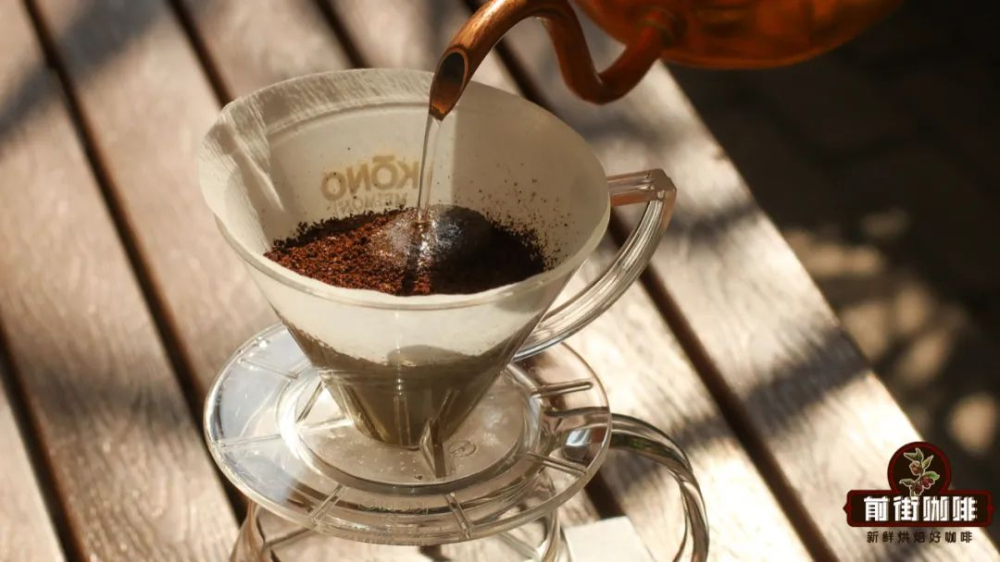
To understand the necessity of blooming, you first need to know that coffee beans produce a large amount of carbon dioxide during roasting, and these gases remain trapped in the beans and ground coffee for a long time after roasting. When hot water comes into contact with the coffee grounds, if these gases are not released first, they will hinder further penetration of water into the coffee particles, preventing the effective release of flavor compounds. This not only leads to under-extraction, but may also result in a thin mouthfeel, noticeable wateriness, and even a lack of aroma. The primary purpose of blooming is to use the stimulation of hot water to allow carbon dioxide in the coffee grounds to be released in an orderly manner, “clearing the way” for the subsequent main pour, while also awakening the soluble substances in the coffee, making the overall extraction smoother and more complete.
In practice, coffee grounds can absorb at most about twice their own weight in water; any water beyond that ratio will simply flow through without contributing to extraction. Therefore, using twice the weight of coffee in water ensures that the coffee bed is evenly wetted without wasting too much water. The timing of blooming starts the moment the hot water touches the coffee grounds, usually the instant the timer is pressed. However, different coffee beans, depending on roast level and freshness, contain varying amounts of carbon dioxide and have different absorption and degassing speeds, so the blooming time cannot be generalized and must be adjusted according to the actual situation. Generally speaking, the outcome of blooming may fall into one of three states: under-bloomed, properly bloomed, or over-bloomed.
So-called under-blooming refers to not giving the coffee grounds enough time to release gases after pouring, leading to continued bubbling when the main pour begins. This hinders sufficient contact between water and coffee grounds, ultimately resulting in incomplete extraction and often a flavor profile that is weak and lacks complexity. On the other hand, over-blooming is the opposite—if the wait time exceeds what’s needed, the gases in the coffee grounds have already dissipated, and most of the water has dripped through. At this point, the coffee bed may have dried out or even developed cracks or holes, which can cause uneven water flow during the main pour, leading to the extraction of excessive impurities and bitter compounds, thereby affecting the overall taste.

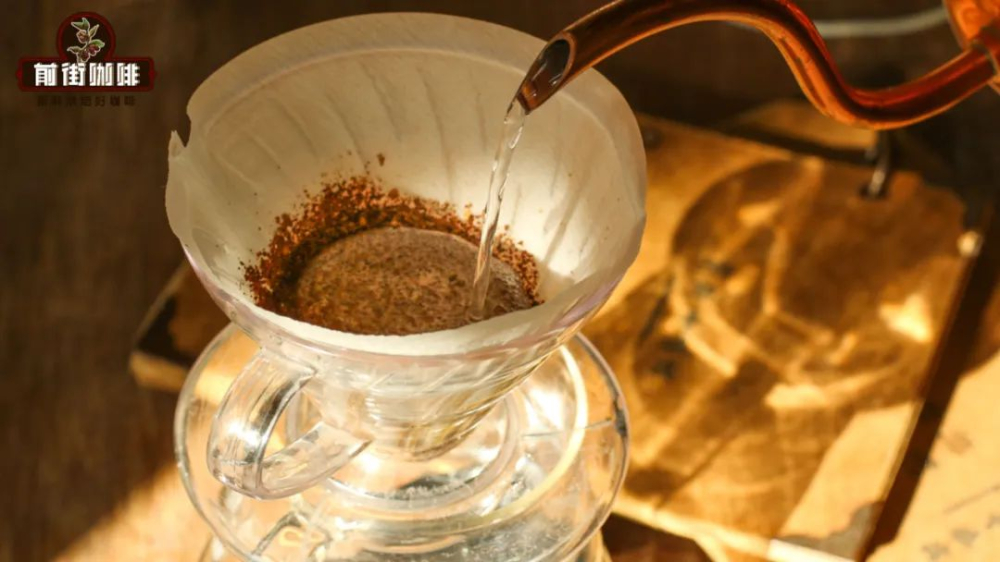
So, how can you tell if the bloom has reached the ideal state? The key lies in observing the changes in the coffee bed. After the hot water is evenly poured, the coffee bed will gradually expand and become plump. Over time, gases in the coffee grounds begin to escape, and you may see tiny bubbles rising to the surface. When the coffee bed no longer shows obvious gas release, the surface starts to dry slightly, and even some small holes appear, it indicates that the bloom is nearly complete and you’re ready to begin the main pour. This whole process usually takes around 30 seconds, but not always—observation with your eyes and judgment by touch are more reliable than strictly adhering to the countdown.
It’s worth noting that although 30 seconds is a common reference for beginners, it is not an unchangeable rule. For newcomers, using this standard can help avoid most common mistakes and ensure a generally balanced pour over coffee. But as you become more familiar with coffee beans from different regions and with varying roast levels, you can flexibly adjust the waiting time based on the actual response of the coffee bed during blooming. For instance, certain light roast beans or those that are very fresh and gas-rich might require a slightly longer bloom time; whereas dark roast or older beans may not need as long. Through observation and practice, you’ll gradually move beyond the “30-second myth” and find your own optimal blooming rhythm.
In summary, although blooming is not officially part of the extraction phase, it plays a key role in overall extraction efficiency and flavor expression. Proper blooming helps carbon dioxide in the coffee grounds to be released smoothly, allowing hot water to penetrate more deeply and extract richer, more balanced flavors. The control of water volume and timing during this process needs to be adjusted based on the characteristics of the beans and real-time observations, rather than rigidly following a fixed formula. Through continuous practice and observation, you’ll gain a more precise grasp of the blooming technique, thereby improving the quality and consistency of every pour over.
The above content is compiled by CoffeeHunters, a coffee news website.


