








Introduction:The Supremo and Excelso labels commonly seen on Colombian coffee sacks actually conceal a rigorous grading system. From bean size and defect rates to export standards, this article will delve into the logic behind Colombian green coffee grading — including the specific requirements for UGQ, EP, and Supremo grades, as well as extended classifications like Extra and Premium. By the end of this read, you’ll be able to decipher sack markings and select higher-quality coffee beans.
When selecting Colombian green coffee beans, have you ever been puzzled by the “Supremo” or “Excelso” printed on the sacks? These two terms are not just symbols of origin, but also represent a strict grading system. Understanding these grades helps you choose beans that better fit your needs — whether for pour over or espresso extraction — allowing you to find the right flavor profile.
The grading of Colombian green coffee beans is primarily based on two key factors: the percentage of defective beans and bean size. On export sacks, the most common label is “Excelso-Café de Colombia.” It’s worth noting that regardless of the actual screen size, as long as the beans meet Colombian export standards, the sack will be labeled “Excelso.” This includes different grades such as UGQ, EP, and Supremo.
In fact, Excelso is the main export standard promoted by the Colombian Coffee Growers Federation (FNC) and is one of the most recognized Colombian green coffee grades in the global market. As long as the sack is marked with “Excelso,” it means the batch of beans has passed the FNC’s quality inspection and holds official certification. To meet the Excelso standard, at least 50% of the beans in a 500g green sample must be larger than 15 mesh, and no bean may be smaller than 14 mesh (with an allowance of 1.5% between 12 and 14 mesh). Additionally, the beans must be free from insect damage, have uniform color, exhibit no off-odors, maintain a moisture content not exceeding 12.5%, and have a total defect score controlled within 24 points.
Colombia has a clear classification and scoring system for defective beans. Defects are divided into primary and secondary categories, and the grade is determined by counting the number of defective beans in a 500g sample. For example, a common Supremo 12*60 (5%) indicates that in a 500g sample, there must be no more than 12 primary defects and no more than 60 secondary defects. This scoring mechanism effectively filters out greener, more stable-quality green beans with purer flavors.
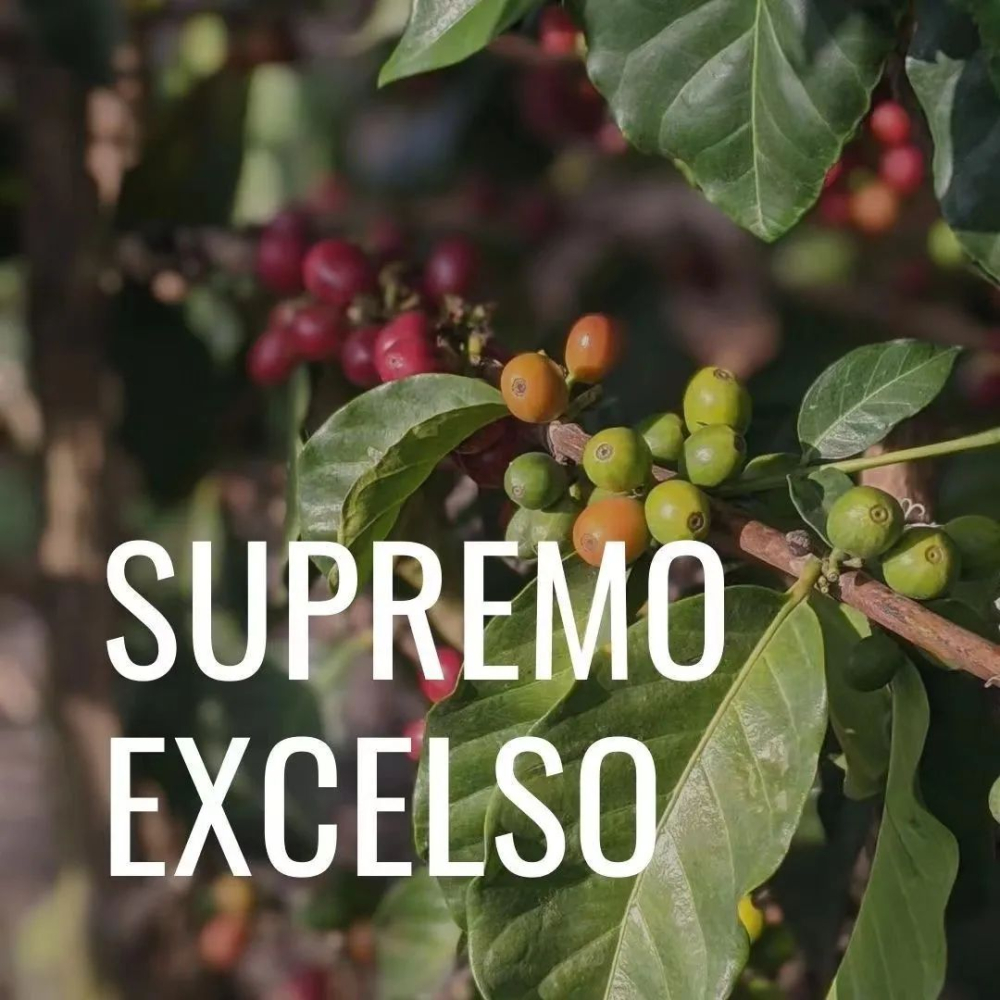
In addition to defect rates, bean screen size is also a crucial basis for grading. Although screen size is not the sole determinant of flavor, it is generally believed that larger, more intact beans usually come from riper coffee cherries, which helps ensure even heat distribution during roasting, thereby delivering more consistent and richer flavor profiles. Colombian green beans are typically graded using fixed-mesh sieves, where the higher the sieve number, the larger the size of the beans that pass through.
Currently, the three most common export grades promoted by the FNC include: Excelso UGQ 12*60 (1.5%), Excelso EP 12*60 (10%), and Excelso Supremo 12*60 (5%). Among them, UGQ (Usual Good Quality) stands for general high quality, requiring bean size to be above 14 mesh, allowing 1.5% between 12 and 14 mesh, and more than 50% of the beans to be larger than 15 mesh. EP (European Preparation) requires bean size to be above 15 mesh, allowing 10% below 15 mesh but not lower than 14 mesh. The Supremo grade, meanwhile, requires beans to be above 17 mesh, allowing only 5% below 17 mesh, also needing to be greater than 14 mesh.
From this, we can see that Supremo is essentially a specific classification based on bean size, representing larger and more uniform green beans. In addition, Colombia has other extended grades — for example, beans above 16 mesh are called Extra, those above 18 mesh are called Premium, and beans that are almost entirely around 15 mesh are referred to as Minama. Conversely, coffee beans that do not meet the Excelso standard are categorized as “Product of Colombia,” often used for commercial instant coffee and similar purposes.
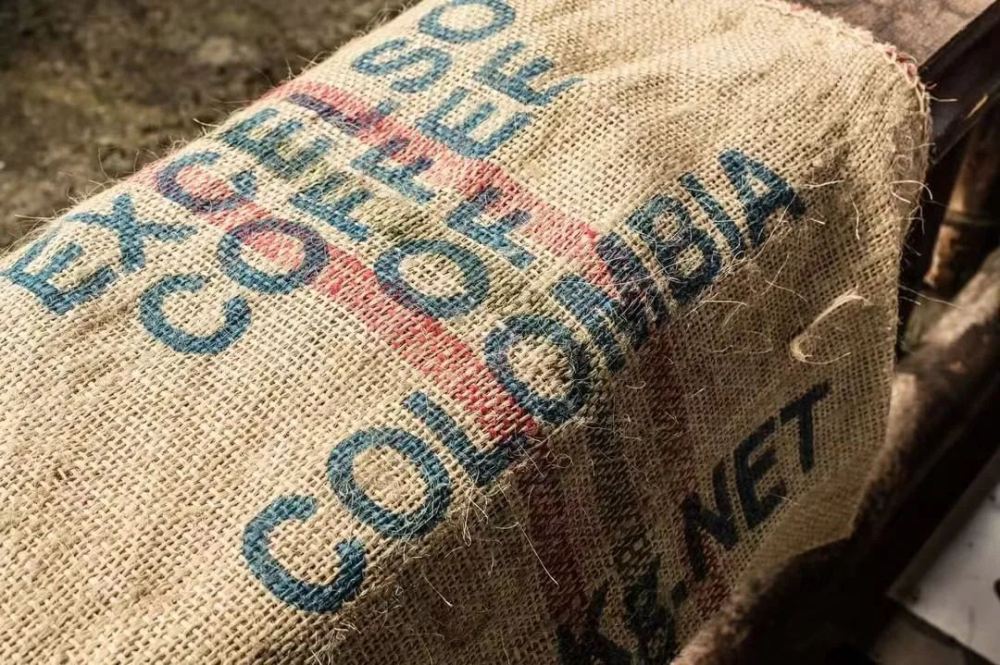
In Colombia, each batch of green coffee beans is meticulously recorded and assigned a number to facilitate traceability of origin and processing details. Export naming conventions typically include the country, region, grade, and other technical parameters — for example, the common “Colombia Huila Supremo SC17/18 FNC” indicates that the batch comes from the Huila region, belongs to the Supremo grade, and has been certified by the FNC. Understanding this naming logic helps consumers gain clearer insight into the origin and quality background of the coffee they purchase.
In summary, from Excelso to Supremo, down to the details of screen sizes and defect rates, Colombia’s green coffee grading system not only ensures export quality but also provides coffee enthusiasts with a basis for identifying bean grades. Next time you see the markings on a sack, take a closer look at this information — it will help you make smarter choices and enjoy a higher-quality coffee experience.
The above content is compiled by CoffeeHunters, a coffee news website.


