







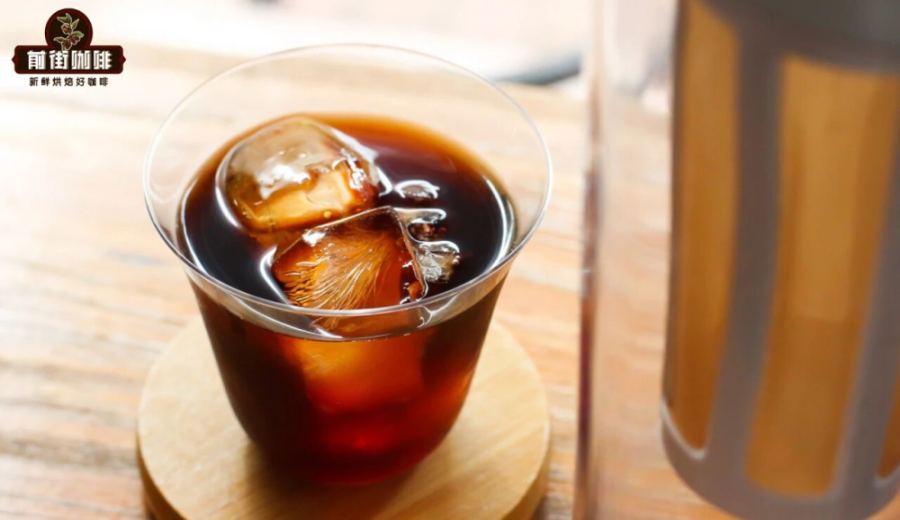
Introduction:The same Kenyan coffee beans can yield vastly different flavor profiles when brewed using pour over versus cold brew methods. This article provides an in-depth comparison of hot pour over extraction and cold immersion brewing, analyzing how variables such as coffee-to-water ratio, water temperature, and brew time influence the expression of floral and fruity notes like black plum and cherry tomato. It also explores the origins of the unique fermented aromas and smooth mouthfeel characteristic of cold brew. Practical parameter recommendations and suggested bean varieties suited for both brewing methods are included to help coffee enthusiasts choose the optimal extraction approach based on their preferences.
Pour over and cold brew are two of the most common single-origin brewing methods at home. However, using the same Kenyan-origin coffee bean, the resulting flavor can vary markedly when prepared via hot pour over versus room-temperature cold brew. Through comprehensive comparative testing, this piece dissects the key factors—brewing method, coffee-to-water ratio, and water temperature—that lead to divergent taste experiences, while also explaining the formation mechanisms behind cold brew’s distinctive fermented wine-like aromas and silky textures.
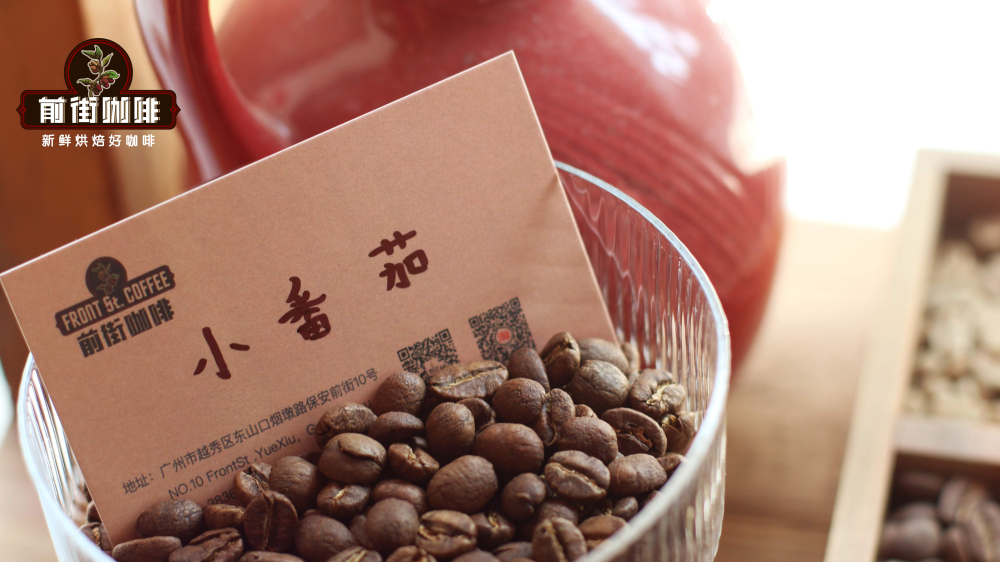
The test sample selected is a popular Kenyan coffee bean, known for its bright black plum notes, refreshing cherry tomato acidity, and a sweet pear finish. Other recommended beans for comparative experimentation include one with a berry-forward profile, one with a honey-citrus character, and another showcasing prominent citrus and floral notes—all of which feature clear fruit and floral aroma profiles ideal for dual-brew comparisons.
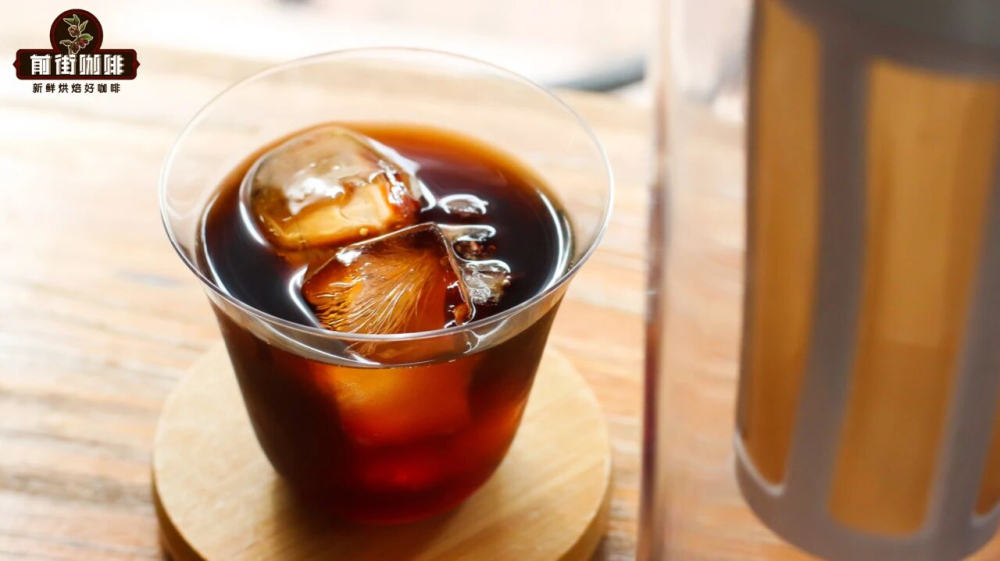
The hot pour over version highlights a distinct acidity profile: upon tasting, the vibrant acidity of black plum is immediately apparent, followed by the sweet-tart note of cherry tomato, with the finish transitioning into a clean, sweet pear sensation. The overall flavor is crisp and the aftertaste bright. In contrast, the cold brew version presents a softer, more rounded profile—where acidity and sweetness are better balanced, and the black plum, cherry tomato, and subtle hints of brown sugar meld together. The mouthfeel is thick and smooth, though the nuanced layers are slightly more subdued, and the finish carries a subtle fermented aromatic character.

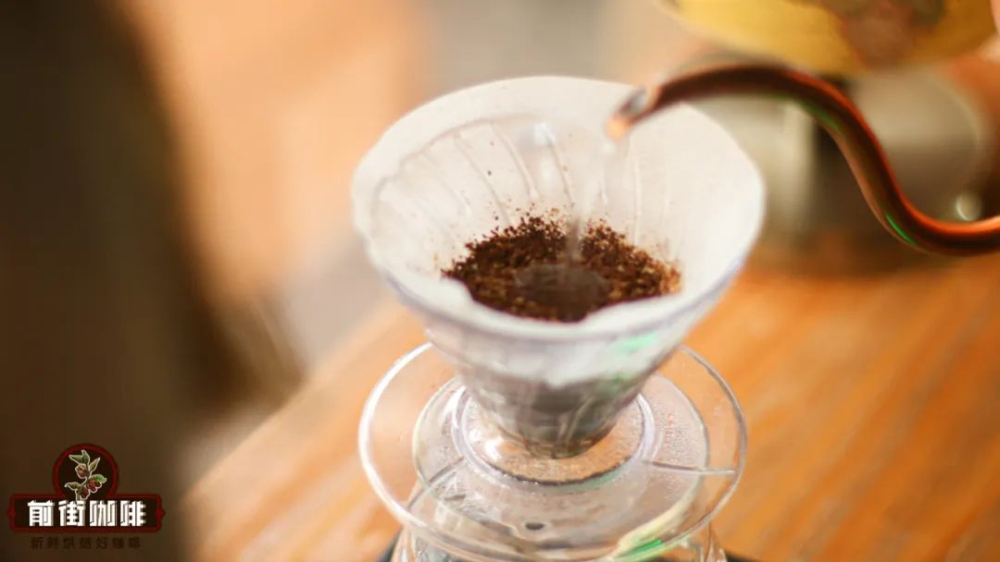
The fundamental difference between these two brewing methods lies in their underlying mechanics: pour over employs a “drip filtration” dynamic extraction process, using 92°C hot water poured in stages, with coffee grounds and water in contact for about two minutes—representing a short-duration, high-efficiency extraction of flavor compounds. Cold brew, on the other hand, uses an “immersion” static method, combining coarsely ground coffee with room-temperature (around 23°C) water at a ratio of approximately 1:10–12, and allowing it to steep slowly for up to eight hours. During this process, differences in coffee-to-water ratio directly impact the final concentration—the 1:15 ratio used in pour over preserves more room for flavor expression, whereas the higher ratio in cold brew results in a more concentrated base, often requiring the addition of ice cubes to adjust palatability.
Water temperature, as a critical variable, determines the variance in compound release profiles. Components in coffee such as quinic acid, tannic acid, amino acids, and caffeine are released at different rates depending on temperature gradients: higher temperatures accelerate the diffusion of acidic and aromatic molecules, resulting in the bright acidity and complexity typical of pour over; lower temperatures slow down the extraction rate, and even over an extended period of eight hours, it remains difficult to fully extract the heat-sensitive acidic compounds—particularly affecting the yield of tannic acid, which contributes both acidity and bitterness. The reduced presence of this component leads to a less layered flavor in cold brew, while the lower proportion of bitter substances results in a relatively mellow body.
In terms of specific parameters, the pour over was prepared using an EK43 grinder set to grind size 10 (approximately 60% passing through a #20 sieve), yielding a medium-coarse grind, paired with a three-stage pouring technique to control total extraction time to 2 minutes and 2 seconds. The cold brew used the same grind size but adjusted to be slightly coarser, steeped at room temperature for 8 hours. Practical advice for beginners: pay attention to the seal of your cold brew container and ensure a refrigerated environment to avoid contamination that could affect flavor purity.
It’s worth noting that cold brew is not an inferior alternative to pour over. Its prolonged fermentation process gives rise to unique alcoholic aromas that, when combined with its foundational fruitiness, create a complex flavor reminiscent of berry wine. Coupled with its silky mouthfeel, this produces a distinctive drinking experience. The standalone market presence of cold brew products reflects the irreplaceable nature of this brewing technique. According to test data, when correct parameters are applied, Kenyan beans perform excellently under both brewing methods—the key lies in understanding how variable parameters align with desired flavor outcomes.
The above content is compiled by CoffeeHunters, a coffee news website.


