







Introduction:Delve into the origins and naming logic behind Ethiopia’s mysterious numbered variety series 74, analyzing the breeding history and disease-resistant genes behind codes such as 741, 74110, and 74158. Taking the 74158 from Ethiopia’s Sidamo Shantawene region as an example, this article explores everything from a 96-hour anaerobic natural process to professional pour over recommendations and real flavor experiences, helping you master the brewing secrets of numbered varieties.
In the world of specialty coffee, beyond familiar traditional varieties like Bourbon and Typica, there is a group of special types known by mysterious numerical codes. Among them, Ethiopia’s 74 series, with its unique numbering system and superior disease resistance, has become a focus for many professional roasters. These names that look like laboratory codes actually carry important disease-resistant breeding histories in African coffee development.
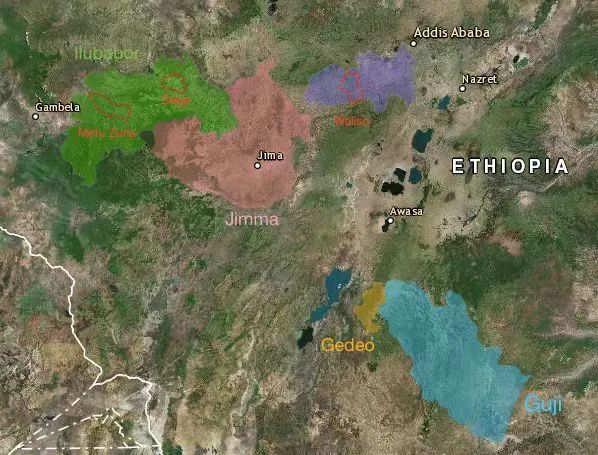
There are tens of thousands of coffee varieties worldwide, but letter-number combinations like Kenya’s SL28 or Costa Rica’s H1, or purely numerically coded varieties like those from Ethiopia, are relatively rare. These numbers are not randomly arranged but contain key information about the year of selection and experimental code of the variety. In particular, the CBD-resistant strains developed by Ethiopia’s JARC (Jimma Agricultural Research Center) between 1974–1975 use ‘74/75’ in their naming convention to represent the year of discovery.
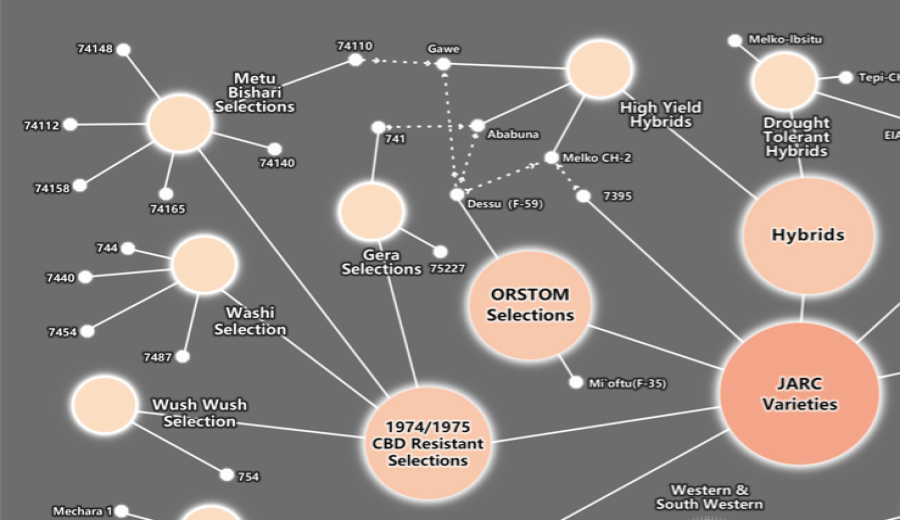
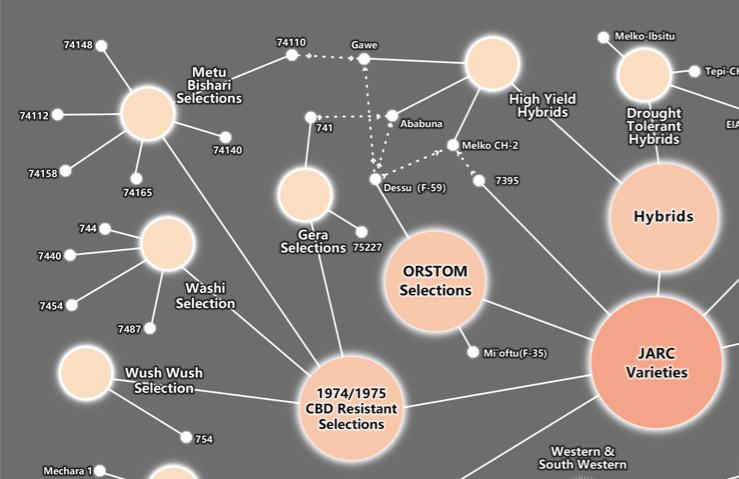
At that time, JARC classified these CBD-resistant varieties as ‘1974/1975 CBD-Resistant Selections,’ including multiple experimental codes from different regions. For instance, from the Gera area: 741, 75227; from Metu-Bishari: 74110, 74112, 74140, 74148, 74158, 74165; from Washi: 744, 7440, 7454, 7487; and from Wush Wush: 754. Each number after the code identifies an independent strain, with 74158 later achieving repeated success in international competitions.
Interestingly, these varieties are not widely known in their places of origin. Many farmers cultivating them had no idea of the specific codes of the coffee they were growing, only confirming the variety identity after professional verification. For example, the champion variety 74165 was initially planted without its cultivators knowing they were nurturing this specific numbered strain.
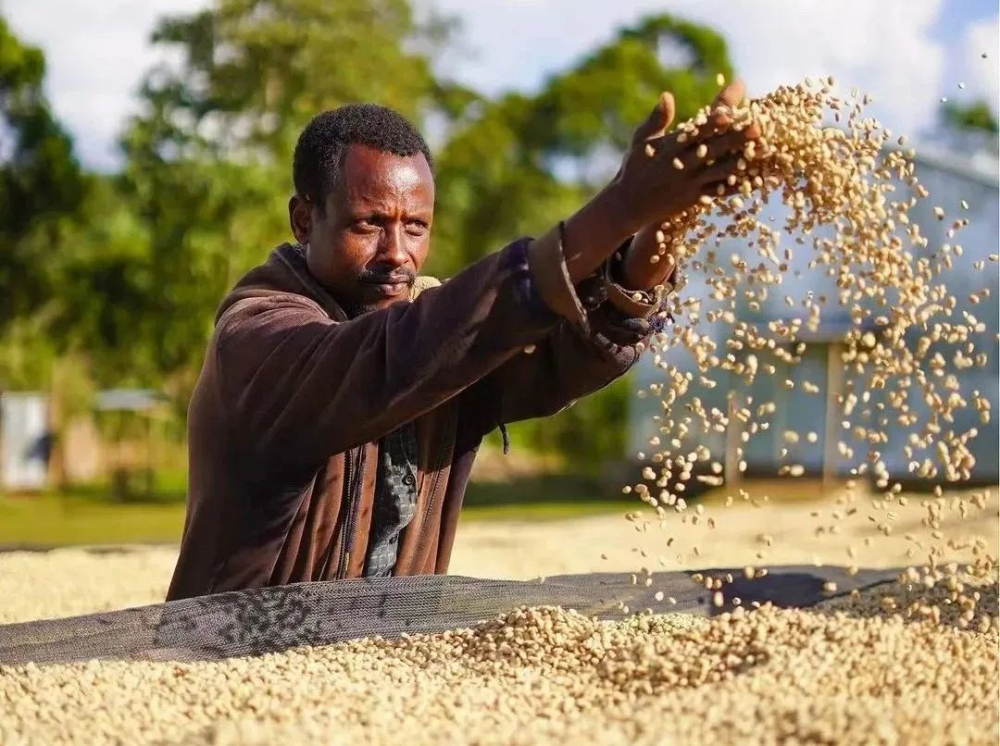
Take 74158 from Ethiopia’s Sidamo Shantawene region as an example. This coffee bean, processed using a 96-hour anaerobic natural method, demonstrates highly layered flavor expression. Using fully red cherries and undergoing a strictly controlled anaerobic fermentation, the sugars and acidity within the fruit pulp are fully transformed, ultimately presenting rich floral notes and tropical fruit tones. A certain roaster’s G1-grade beans, processed at the DWD station at an altitude of 2050 meters, retain the bright acidity and rich aroma unique to the 74158 variety.
To brew this lightly roasted 74158, it is recommended to use hot water at 92–93°C to fully activate its aromatic floral and fruity compounds. The grind size should be controlled at80% passing rate through a Chinese standard No. 20 sieve— a medium-fine level, similar in size to fine sugar granules. Too coarse a grind may lead to under-extraction, resulting in thin flavors; too fine may over-extract and bring about unpleasant bitterness.
It is recommended to use acoffee-to-water ratio of 1:15 to 1:16, adjustable based on personal preference: choose 1:15 for a stronger taste, or 1:16 for a brighter, fruitier profile. In practical testing, a three-stage pouring method using 15 grams of coffee powder with 225–240 milliliters of water works best: start with a 30-second bloom using hot water equal to twice the coffee amount (about 30 ml), then pour in small circles from the center outward until reaching 125 grams, allowing the coffee bed to settle before pouring up to 225 grams to complete extraction, with total brew time kept around two minutes.
The brewed 74158 coffee offers an initial taste of pronounced dried mango and strawberry sweetness, paired with a moderate, black-tea-like body. As the temperature drops, vibrant citrus-like acidity emerges, with a clean and lingering aftertaste. Notably, even when cooled to room temperature, its fruity characteristics remain vivid, with bitterness well-controlled, showcasing the excellent combination of varietal traits and processing method. This flavor profile is the best testament to how 74-series varieties not only maintain disease-resistant genetics but also offer outstanding cup quality.
The above content is compiled by CoffeeHunters, a coffee news website.


