







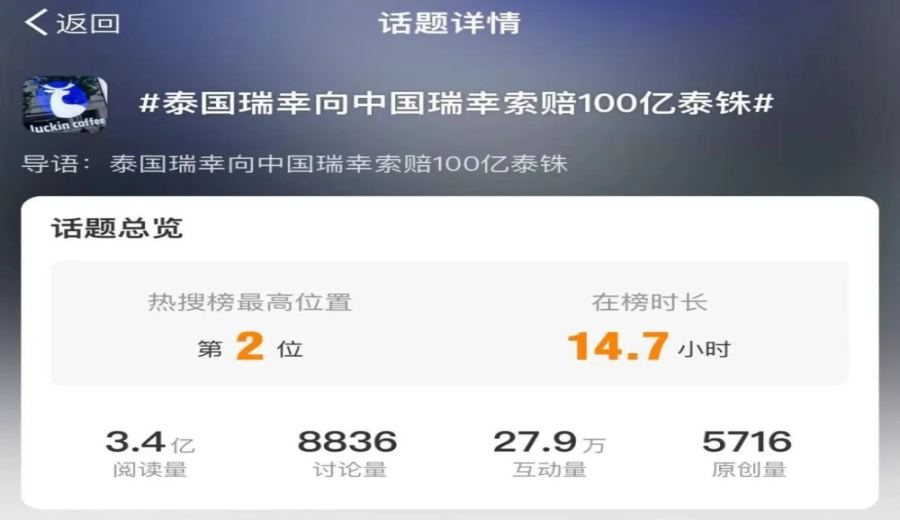
Introduction:A major trademark dispute has emerged between Chinese chain coffee brand Luckin and Thailand, where the Royal 50R Group has filed a lawsuit alleging infringement and is demanding up to 10 billion Thai baht in compensation from Luckin China. This article delves into the full story of this cross-border trademark conflict—from the background of the Royal 50R’s legal registration in Thailand, Luckin China’s claims of counterfeiting, to the final court ruling—offering insights into the importance and common pitfalls of trademark registration and international brand protection.
A trademark legal battle spanning China and Thailand continues to escalate. The Royal 50R Group has officially filed a lawsuit with the local court, demanding that Luckin Coffee China compensate for economic losses of up to 10 billion Thai baht (approximately 2 billion RMB), citing that Luckin China’s accusations of infringement have hindered the group’s business expansion plans in Thailand. Notably, Luckin Thailand has legally registered its trademark in accordance with local regulations and has already opened more than ten stores in the country.
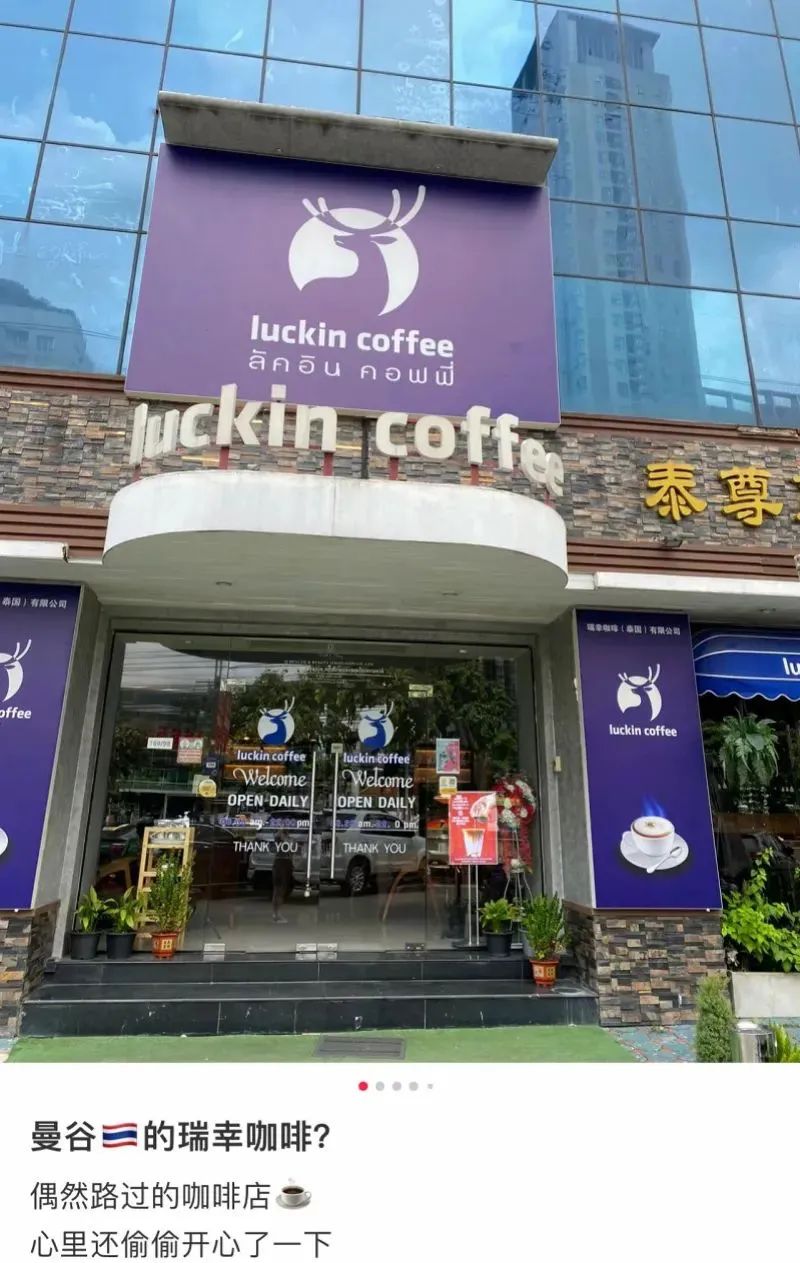
In January 2022, a set of photos circulated online showing a coffee shop in Thailand that bore an extremely similar appearance to Luckin Coffee in China. The store’s decor style, coffee cup design, and even the tote bags were almost identical to those of Luckin China, with the only difference being that the small deer in the original blue deer head logo had been mirrored horizontally—becoming the focal point of the controversy.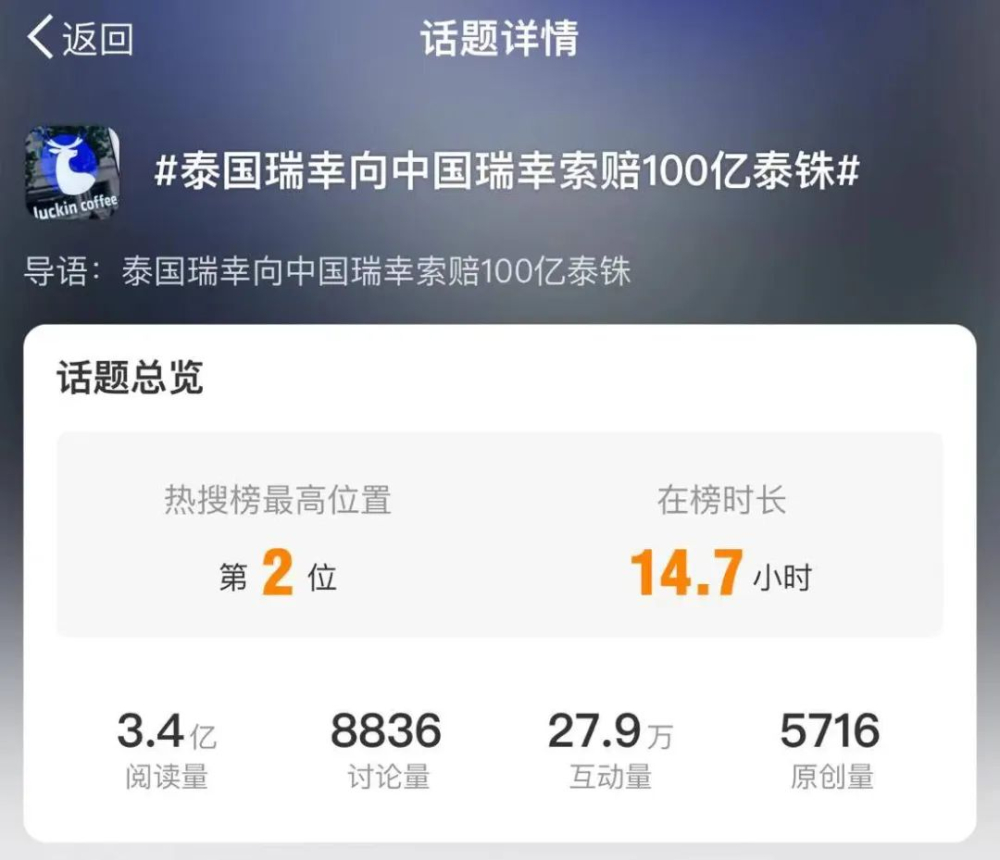
These photos quickly sparked heated discussion on social media platforms, with many consumers mistakenly believing that Luckin had entered the Thai market. However, by August 2022, Luckin China issued an official statement strongly asserting that the brand had not opened any stores in Thailand and that the “Luckin” outlets appearing in Thailand were all counterfeits. The statement specifically pointed out that these counterfeit stores not only used a “left-looking deer” logo highly similar to the authentic one but also directly adopted the English name “luckincoffee,” causing serious damage to the brand image.
In fact, Luckin Coffee (Thailand) Co., Ltd., under the Royal 50R Group, had applied for and legally obtained the trademark registration for “Luckin” with the Thai Ministry of Commerce as early as 2022, with all procedures complying with local legal norms. The company was granted the right to use the trademark for operating beverage businesses, including tea and coffee, and has successfully opened more than ten stores in Thailand.
On December 1, 2023, the Central Intellectual Property and International Trade Court of Thailand issued a final ruling, declaring that Luckin Coffee China’s lawsuit against the Royal 50R Group for trademark copyright infringement was unsuccessful, and the judgment was immediately enforced. This outcome shocked many observers and once again brought the issue of international brand trademark protection in overseas markets into the spotlight.
In response to the defeat, the Royal 50R Group quickly filed a countersuit against Luckin China, demanding compensation of up to 10 billion Thai baht. The group stated in its legal filings that Luckin China’s accusations not only severely damaged its commercial reputation but also disrupted its original plan to expand its stores to over 10,000 globally, even affecting its preparations for an IPO. Additionally, the group alleged that before the court had reached a final verdict, an authorized agent of Luckin China had illegally seized property within its stores, further impacting its operations and image. To deal with the legal proceedings, the group also incurred substantial legal advisory fees, which were included in the claimed damages.
The incident sparked intense discussion on social media, with many netizens expressing surprise over the “mirrored deer logo” and the entire trademark dispute. Comments such as “Wow, there are tactics like this?” “Mirror image symmetry,” and “So absurd in Thailand” reflected the public’s interest and curiosity about cross-border legal disputes involving international brands.
In response to the compensation claim from Thailand, Luckin China’s official Weibo account released a statement saying the situation was “pending verification,” and ended the post with a Thai phrase that translates to “I don’t understand, but I’m very shocked!” Though brief, the response stirred widespread discussion among netizens, highlighting potential gaps in the brand’s overseas trademark strategy and legal risk management.
Industry insiders pointed out that this incident underscores the importance of comprehensive trademark registration and local legal consultation before entering overseas markets. Had Luckin China not applied for trademark protection in Thailand earlier, it would have faced risks of counterfeiting or lawful preemptive registration, thereby affecting the brand’s international image and market expansion strategy.
Currently, the subsequent developments of this case remain to be seen, including whether Luckin China will file further appeals and how the two parties will engage in legal maneuvering on the international stage. For readers interested in international brand development, trademark protection, and cross-border legal risks, this case provides many practical examples and lessons worth reflecting on.
Image source: Internet
The above content is compiled by CoffeeHunters, a coffee news website.


